The landscape of professional work has fundamentally shifted. Driven by remote work, freelancing, and startup culture, modern professionals are actively seeking flexible, collaborative environments. Opening a coworking space is an incredible opportunity to meet this growing demand. However, building a sustainable business requires more than just high-speed internet and open desks. Long-term success is built on a foundation of strategic planning, smart design, and active community focus.
Define Your Niche and Audience
Every successful shared workspace begins with a clear target audience. Before scouting properties or planning layouts, decide exactly who your coworking space is for. Are you serving independent freelancers, tech startups, creative professionals, or corporate remote teams? For instance, creative entrepreneurs might require multimedia rooms and quiet zones, while tech startups highly value private meeting areas. Identifying your niche not only shapes your spatial design but also establishes a distinct, authentic brand identity in a highly competitive market.
Select a Strategic Location
Location remains one of the most critical determinants of your business’s success. Look for vibrant, accessible neighborhoods close to public transit, secure parking, dining options, and local conveniences. Consider the daily routines of your future members—they crave convenience, safety, and a lively neighborhood vibe. While urban city centers are exceptional for attracting diverse professionals, emerging suburban markets are also increasingly viable as individuals look for productive spaces closer to their homes.
Design for Productivity and Comfort
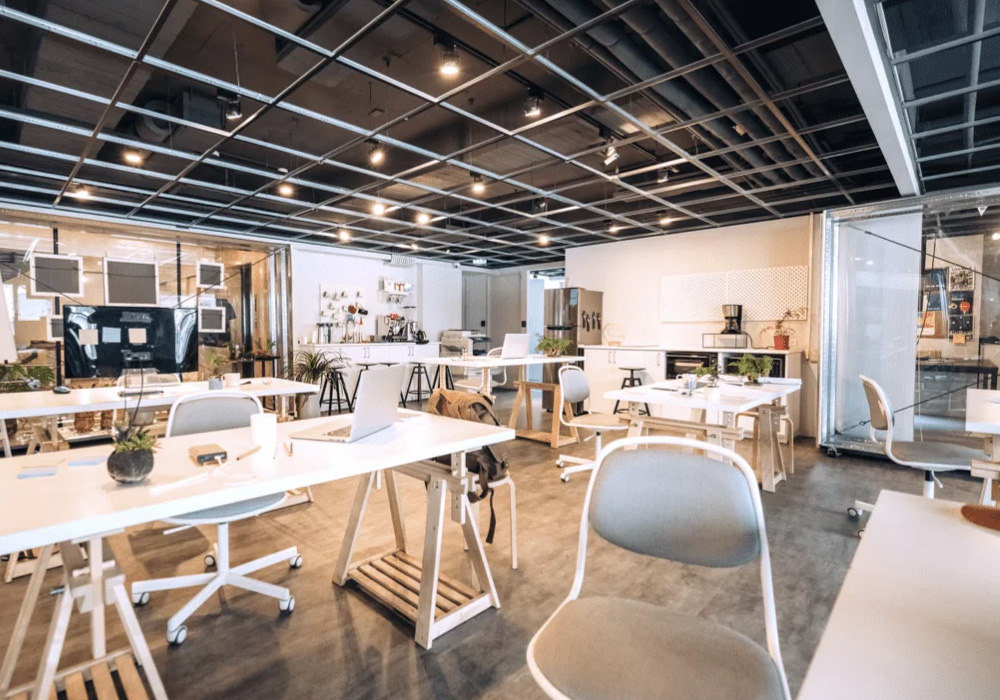
Modern professionals expect spaces that strike a balance between inspiring aesthetics and functional comfort. Your floor plan should offer a thoughtful mix of open hot desks, dedicated private offices, collaborative breakout lounges, and private meeting rooms. Prioritizing ergonomics, proper lighting, and acoustic comfort ensures your members can complete focused work without distraction.
While investing in durable, high-quality seating and desks is essential, furnishing your venue does not have to exhaust your startup capital. Many savvy operators choose to source durable, pre-owned items—such as searching for high-quality used office furniture in Las Vegas—to design a polished, custom aesthetic while keeping initial overhead manageable. Integrating biophilic elements, such as natural light, indoor plants, and wooden finishes, can further elevate comfort and reduce workplace stress.
Invest in Robust Technology
Technology is the backbone of any modern coworking hub. A failure in connectivity means an immediate loss of member productivity. Ensure your space features high-speed, secure internet backed up by dual connections to prevent unexpected downtime. Implement smart security access controls, intuitive conference room-booking software, and seamless digital billing systems. Utilizing efficient management platforms minimizes administrative work and helps you gather useful data on workspace usage patterns.
Cultivate a Community-First Culture
What ultimately prevents member churn is a strong sense of belonging. The most successful coworking spaces function as hubs of collaboration and network building. Create consistent opportunities for physical and digital interaction. Hiring a dedicated community manager is an excellent step to facilitate professional introductions and handle daily operations. Organize regular networking mixers, skill-sharing workshops, and social hours to build organic connections among members. Cultivating a supportive community turns a collection of desks into an indispensable professional home.
Implement a Smart Marketing and Pricing Model
To appeal to a broad user base, offer flexible membership tiers. These can range from daily and hourly passes to monthly dedicated desks and premium private offices. Once your models are established, launch targeted local marketing campaigns. Use local search engine optimization (SEO) techniques to attract nearby remote workers, and offer free trial days to encourage potential members to experience your community firsthand.
Final thoughts
Starting a coworking space is a rewarding venture that supports local innovation and the global workforce. By pairing a strategic, community-centered vision with smart design and reliable technical infrastructure, you can build a highly productive hub where modern professionals truly flourish.