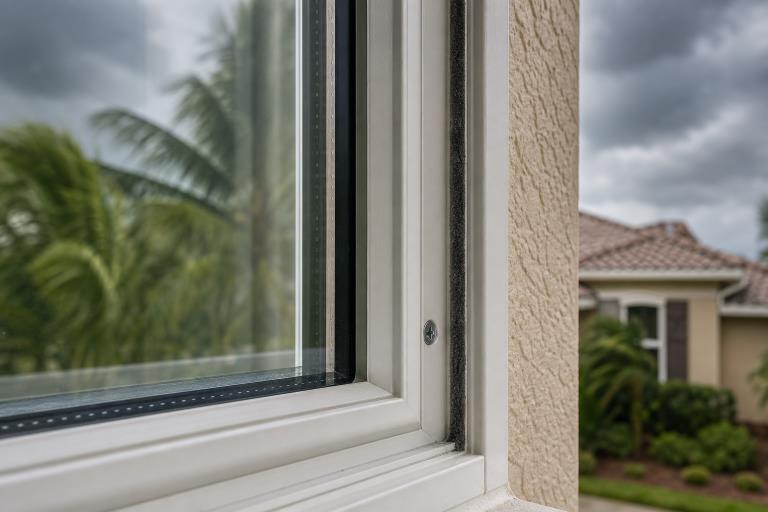
Florida homeowners know that preparation cannot wait until a tropical system appears on the forecast. From wind-driven rain along the coast to intense afternoon storms farther inland, a home’s windows, doors, roof edges, and drainage details all deserve attention before hurricane season reaches its busiest period. Searching for impact window installation near me can be a practical first step for homeowners who want to evaluate vulnerable openings and plan improvements before a last-minute rush.
Storm-ready upgrades are not only about preparing for a named hurricane. Well-maintained openings, stronger seals, reliable locks, and properly installed protection can also make a Florida home quieter, more comfortable, and easier to manage through daily heat, rain, and changing weather.
Why Home Upgrades Matter Before Storm Season
Preparation works best as an ongoing home-care habit. A loose piece of trim, failing caulk joint, worn door sweep, or neglected garage-door component may seem minor on a calm day, but wind and heavy rain can expose those weak points quickly. Florida’s hurricane season officially runs from June 1 through November 30, so it is wise to schedule inspections and larger projects well before supplies, installers, and permit offices become busy.
Start with a daylight walk around the property. Look for loose gutters, roof-edge damage, cracked sealant, rusted hardware, clogged drainage paths, damaged screens, and branches that could strike the house. Florida residents can also use the state’s hurricane-season planning guidance to pair property improvements with a household supply and evacuation plan.
Start With the Home Envelope
The home envelope is the collection of materials that separates the indoor living space from outdoor conditions. It includes the roof, exterior walls, windows, doors, vents, and the seals around those components. When the envelope is in good condition, it can help reduce drafts, unwanted water entry, direct heat gain, and exposure at vulnerable openings.
No single product protects every part of a house. A new window does not repair roof flashing, and a storm shutter does not correct a door that no longer latches. A complete review should include the following steps:
- Walk the exterior and note visible damage or gaps.
- Check windows and doors for smooth operation and secure locking.
- Look for soft wood, corroded fasteners, cracked frames, and deteriorated weatherstripping.
- Record repairs that need immediate attention.
- Ask a qualified professional to inspect structural, water-intrusion, or installation concerns.
How to Assess Windows and Doors
Look Beyond the Glass
When deciding between repair, replacement, or added protection, inspect the entire opening. The glass matters, but so do the frame, anchors, hinges, rollers, locks, seals, and surrounding wall condition. Installation quality is equally important because even a well-designed product must be secured and sealed correctly for the specific opening.
Common signs that an opening deserves closer attention include air leaks around the frame, moisture or stains near a sill, fogging between insulated glass panes, rattling in strong wind, difficulty closing or locking, cracked framing, corrosion, and soft or damaged wood trim. Sliding doors should also move smoothly and remain properly seated in their tracks.
Compare Permanent and Removable Protection
The best protection method depends on the home’s location, opening sizes, architectural style, storage space, budget, and applicable local requirements. Consider the day-to-day use of each option, not only how it performs when a storm is approaching.
- Permanent-rated windows and doors:These remain in place year-round and may improve daily comfort. They typically require a larger upfront investment and professional installation.
- Roll-down or accordion systems:These can be convenient to deploy and do not require separate panel storage. Tracks, fasteners, and moving parts still need routine inspection.
- Storm panels:Panels can be a practical, lower-cost option for some homes, but they require safe storage, labeling, lifting, and installation before a storm.
- Engineered shutters:These may work across a variety of opening sizes and home styles. Their effectiveness depends on correct product selection, attachment, and operation.
Before choosing a system, confirm that the product is appropriate for the property and that permits, approvals, and installation details will be handled correctly. The National Weather Service advises homeowners to cover windows and secure exterior doors before a hurricane threatens, while also following evacuation instructions from local officials when they are issued.
How Storm Upgrades Can Improve Comfort and Energy Use
Storm-focused improvements can offer everyday advantages. Better weatherstripping and properly fitted doors may reduce drafts. Modern glazing and exterior shading can help manage direct sun that makes certain rooms feel hotter than the rest of the house. Tighter, well-maintained openings may also limit outside noise.
For example, a west-facing room with an aging glass door may become uncomfortable during sunny afternoons. Sealing gaps, repairing the door hardware, adding appropriate shading, or upgrading the glazing can work together to improve the room’s consistency. Results vary with insulation, roof condition, orientation, glass type, frame material, and installation quality, so compare utility use and comfort before and after a project.
Everyday Security Benefits
Stronger windows and doors can support a broader home-security plan. Reinforced or laminated glass products may offer more resistance than ordinary single-pane glass, but no opening should be treated as impossible to defeat. Reliable locks, strong strike plates, secure sliding-door tracks, and anti-lift measures are important details.
Keep shrubs trimmed away from vulnerable openings, avoid leaving heavy loose items near glass doors, and maintain clear sightlines around entry points. Exterior lighting and cameras can complement stronger doors and windows, especially around side yards, patios, and rear entrances.
How to Set a Budget and Choose Priorities
A complete replacement project is not the only path forward. List every exterior opening, note its condition, and identify rooms used for sleeping, working, or family gatherings. Prioritize damage, hard-to-secure openings, recurring water concerns, and areas with the greatest comfort problems.
- Request itemized estimates from qualified installers.
- Compare product ratings, labor, warranties, cleanup, and expected scheduling.
- Ask who will handle permits and inspections.
- Set aside funds for concealed framing repairs or code-related work.
- Check with the insurer and local building department about documentation requirements.
Questions to Ask Before Starting
- Is this product suitable for this property’s location and opening type?
- Has the complete window or door system been tested as an assembly?
- What happens if existing framing is damaged?
- Who is responsible for permits, inspections, and final adjustments?
- What maintenance will the product need?
- What do the parts and labor warranties cover?
- Can a failed pane, lock, roller, or screen be repaired?
Create a Simple Maintenance Plan
Storm readiness continues after installation. Inspect windows, doors, shutters, and removable panels at least twice each year. Clean sliding-door tracks, test locks and handles, examine weatherstripping and caulk, and address corrosion or loose hardware promptly. Store removable panels where they are easy to reach, clearly labeled, and protected from damage.
Keep product approvals, warranties, receipts, permits, and maintenance instructions together. A careful inspection, clear priorities, correct installation, and regular upkeep can help a Florida home perform better in severe weather while improving comfort and security on ordinary days.



