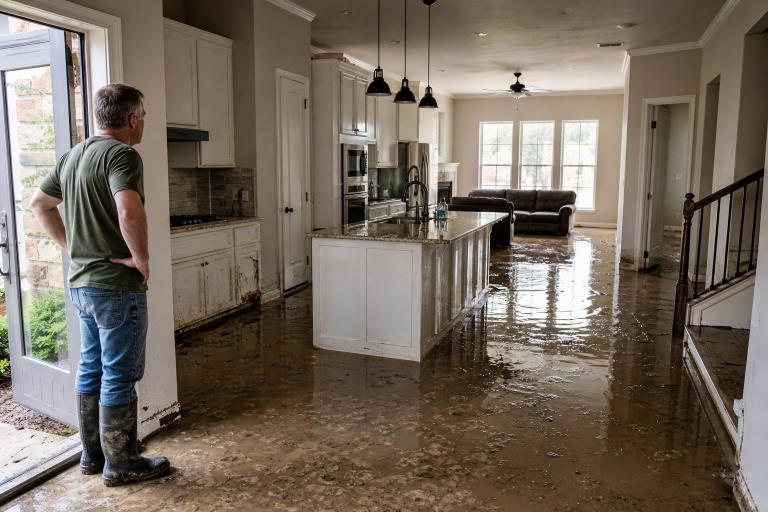
A leaking supply line, overflowing appliance, roof leak, or burst pipe can turn into a much larger problem in a surprisingly short time. The first 72 hours are about protecting people, stopping additional damage, and making sure moisture does not stay hidden inside the home.
For homeowners dealing with extensive damage, understanding the basic steps involved in water damage restoration Austin can make it easier to act calmly and avoid costly mistakes. Start with safety, document what happened, and focus on drying materials thoroughly rather than simply making surfaces look dry.
Why The First 72 Hours Matter
Water does not remain where it first appears. It can wick into drywall, insulation, subfloors, cabinet bases, trim, and flooring seams. A small wet spot on a ceiling or wall may represent a larger damp area behind the finished surface. Materials that remain wet also become harder to save as time passes.
Quick action matters because mold may begin growing on wood, drywall, carpet, and furniture that stay wet for more than 24 hours, according to the federal guidance for flood cleanup and indoor air quality. Visible water is only part of the issue. The goal is to remove water, reduce humidity, and identify concealed moisture before it causes further damage.
When contamination, persistent odors, or widespread dampness are involved, professional mold removal Austin services may be appropriate after the water source has been controlled. Cleaning a surface without correcting the moisture problem rarely provides a lasting solution.
What To Do In The First Hour
- Stop the water source if you can do so safely. Shut off a local valve, turn off the main water supply, or unplug an appliance only when there is no electrical hazard.
- Move people and pets away from standing water, especially near outlets, appliances, or damaged ceilings.
- Protect valuables by moving documents, electronics, rugs, and lightweight furniture to a dry location.
- Take initial photos before relocating items or beginning major cleanup.
- Open windows or doors only when outdoor conditions are drier than indoor conditions and it is safe to do so.
How To Check For Safety Risks
Do not walk through pooled water near electrical outlets, power strips, appliances, or an electrical panel. Turn off the power at the breaker only if you can reach it without entering the water. If the area is unsafe, leave it alone and contact a qualified electrician or emergency service provider.
Look for sagging ceilings, bulging drywall, cracked walls, soft floors, loose tiles, or bowed cabinet panels. These signs can indicate that water has weakened materials. Avoid entering water that may contain sewage, chemicals, flood debris, or an unknown source. If you cannot identify the water source, treat the situation cautiously and consider leaving the property.
How To Document The Damage
Create a simple record before cleanup changes the scene. Take wide photos of every affected room, then capture close images of stains, soaked flooring, damaged furniture, wet walls, and the likely source. Write down when you discovered the problem, when it may have started, and what caused it.
- Make a room-by-room inventory of damaged belongings.
- Include brand names, serial numbers, approximate ages, and purchase values when available.
- Save receipts for emergency supplies, temporary repairs, equipment rentals, and replacement items.
- Keep notes from calls, inspections, and written communications with your insurer.
Removing Water And Wet Items
Remove standing water only when it is safe and the water is clean. Wet/dry vacuums, mops, and towels can help with small clean-water events. Move lightweight furniture onto dry surfaces or blocks, and remove wet rugs, cushions, cardboard boxes, and other absorbent items from the affected space.
Separate items that can be cleaned and dried from those that are heavily saturated, contaminated, or falling apart. Porous materials can hold moisture long after their surfaces feel dry. Keep contaminated items and water away from unaffected rooms so the problem does not spread through the house.
Drying Walls, Floors, And Hidden Spaces
Surface drying is not the same as structural drying. For example, a wall may feel dry to the touch while insulation behind it remains damp. Check baseboards, closet corners, cabinet edges, flooring seams, and areas behind appliances. If possible, use a moisture meter instead of relying on touch alone.
Run dehumidifiers in enclosed spaces and use air movement to support drying when the water is clean and visible mold is not already spreading. Open interior doors, cabinets, and drawers to expose hidden surfaces. Avoid running HVAC equipment if it may have been affected by contaminated water or mold, since it can distribute particles into other areas.
Ways To Reduce Mold Risk
Moisture control is the main defense against mold. Dry wet materials promptly, repair the leak before cleaning visible growth, and never paint or caulk over damp or moldy surfaces. The EPA recommends keeping indoor humidity below 60 percent, ideally between 30 and 50 percent when practical.
Watch for musty odors, peeling paint, swollen trim, recurring condensation, or discolored drywall. Inspect beneath sinks, behind refrigerators and washing machines, near water heaters, and around HVAC equipment. Mold that keeps returning usually points to an unresolved leak or hidden moisture source.
When To Call A Qualified Professional
Professional help is often the safer choice when damage covers several rooms, water enters walls or ceilings, or the source involves sewage, flooding, or chemicals. Assistance is also appropriate for structural concerns, electrical risks, contaminated ducts, extensive mold, recurring growth, or humidity levels that household equipment cannot bring down.
What To Know About Insurance Claims
Review your policy and contact your insurer promptly. Coverage can depend on the source of the water, the policy language, and whether damage was sudden or gradual. Keep damaged items until the insurer advises otherwise, unless they create an immediate health or safety hazard. An adjuster evaluates the claim, while contractors estimate or perform repairs, and a public adjuster may represent the policyholder.
Simple Steps To Prevent Future Damage
- Learn the location of the main water shutoff valve.
- Inspect appliance hoses, toilets, water heaters, and supply lines regularly.
- Test sump pumps and consider backup power where appropriate.
- Clean gutters and direct downspouts away from the foundation.
- Check attics, basements, crawl spaces, and roofs for moisture signs.
- Place water-leak alarms near appliances and other high-risk areas.
Final Checklist
Stop the source, stay safe, document the damage, remove wet items, and begin drying as soon as possible. Control humidity, check for moisture behind finished surfaces, and contact your insurer early. When water is contaminated, widespread, or difficult to dry completely, seek qualified help before a manageable water event becomes a larger repair project.