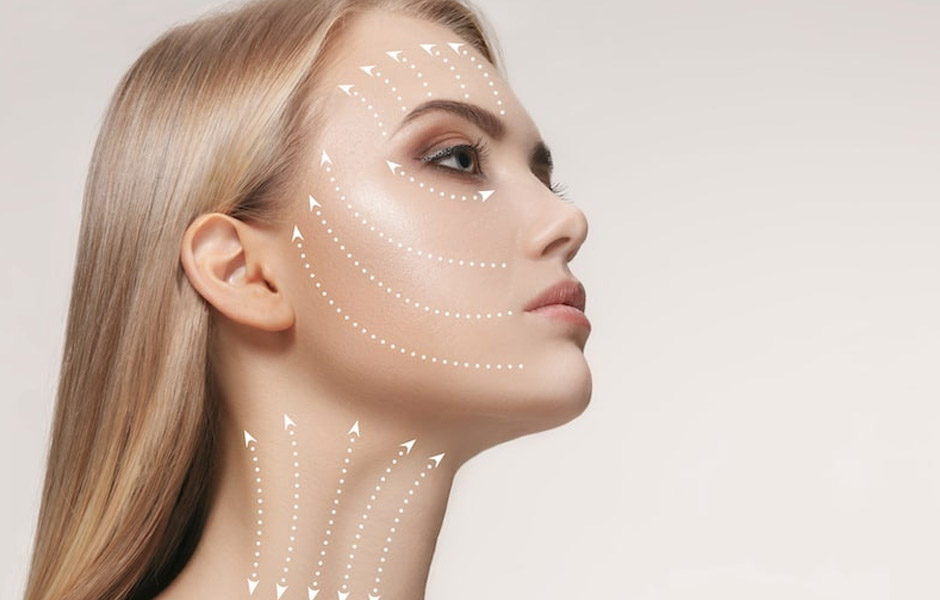
Cosmetic surgery provides targeted treatments, such as facelifts and forehead lifts, to smooth facial wrinkles and rejuvenate your appearance. Plastic surgeons customize each procedure based on your skin type, the severity of wrinkles, and your unique aging patterns, helping you achieve the aesthetic results you desire. Here is more information about the role of cosmetic surgery in reducing facial wrinkles:
Removing Excess Skin
Plastic surgery procedures such as facelifts can be helpful if your lower face has a small amount of excess skin. A facelift, or rhytidectomy, focuses on correcting skin looseness, as well as jowls in the lower cheeks. Having this procedure early helps eliminate minor wrinkles before they develop into deeper, permanent lines. For those with lined or sagging foreheads, brow lifts help by removing excess forehead skin.
Repetitive contraction of the muscles during facial aging leads to forehead lines and wrinkles. Smoothing these lines helps eliminate a sad, tired, or angry appearance. A browplasty can be performed alongside a facelift, allowing for more effective treatment of wrinkles across the entire face. By precisely removing excess skin, cosmetic surgery allows the remaining skin to retain natural tension without overstretching. After surgery, the skin gradually settles over the facial contours; this helps prevent uneven tension and the formation of new wrinkles.
Restoring Midface Volume
A facelift repositions the fat in the mid-cheek hollow, restoring natural volume and projection to the cheeks. As the area of fat is elevated, facial wrinkles diminish gradually. Cosmetic surgeons harvest fat from other areas of the body and inject it into midface compartments, including the nasolabial folds, cheek hollows, and temples. This procedure restores the natural curvature and fullness of the cheeks, enhancing overall facial balance.
Correcting Droopy Eyelids
Droopy eyelids partially obstruct vision, causing the eyebrows to lift subconsciously. This repeated lifting keeps the forehead muscles constantly engaged, which forms horizontal creases that develop into forehead wrinkles. Excess eyelid skin may fold over itself, gradually creating lines and creases on the upper eyelid. Upper blepharoplasty removes this excess skin before deep wrinkle folds form.
Lower blepharoplasty removes or repositions the fat pads that contribute to drooping eyelids. When performed together, upper and lower blepharoplasty smooth fine lines and tighten the under-eye contour. A brow lift repositions sagging brows upward, correcting eyelid drooping and redistributing facial lines. This upward repositioning helps smooth frown wrinkles and horizontal forehead creases.
Tightening Underlying Muscles and Tissues
During facelift procedures, cosmetic specialists make incisions around the ears and hairline. The incisions tighten the underlying facial muscles, and this assists with removing excess skin and smoothing wrinkles. A comprehensive facelift also helps tighten the front neck muscle and underlying tissues. The tightening of these muscles helps minimize visible creases that appear in the lower face and neck when there is structural laxity. A forehead lift also repositions and tightens both muscles and tissues that create skin folds and frown lines.
Professional cosmetic surgeons tighten the underlying muscles and tissues to prevent excessive skin tension, making sure that the facial surface lies smoothly and evenly without distortion. After facelift and forehead lift procedures, skin tension is redistributed across the face, reducing the risk of new creases or deepening of existing wrinkles. During rhytidectomy, sagging cheek fat and underlying tissues are carefully repositioned; this prevents facial wrinkles from becoming more pronounced. Lifted cheeks, combined with the smoothing of jowls, often create a continuous, balanced look.
Muscle tightening through browplasty counteracts the downward pull that forms horizontal forehead lines, resulting in a smoother forehead. Eyelid surgery addresses the orbicularis oculi muscle by tightening and repositioning it. This stabilizes the eyelid structure while removing crepey or loose skin. These adjustments smooth fine lines and wrinkles on both the upper and lower eyelids. By restoring tension and structure to the muscles around the eyes, the procedures eliminate an aged or tired appearance and give the eyes a rejuvenated, youthful look.
Schedule Cosmetic Surgery Today
Restoring volume in the midface and tightening the underlying tissues smooths both static and dynamic facial wrinkles, improving the overall facial contours. Reducing wrinkle prominence across various facial regions results in a more balanced, natural appearance. Contact a reputable cosmetic surgeon today so you can learn more about facial plastic surgery procedures.