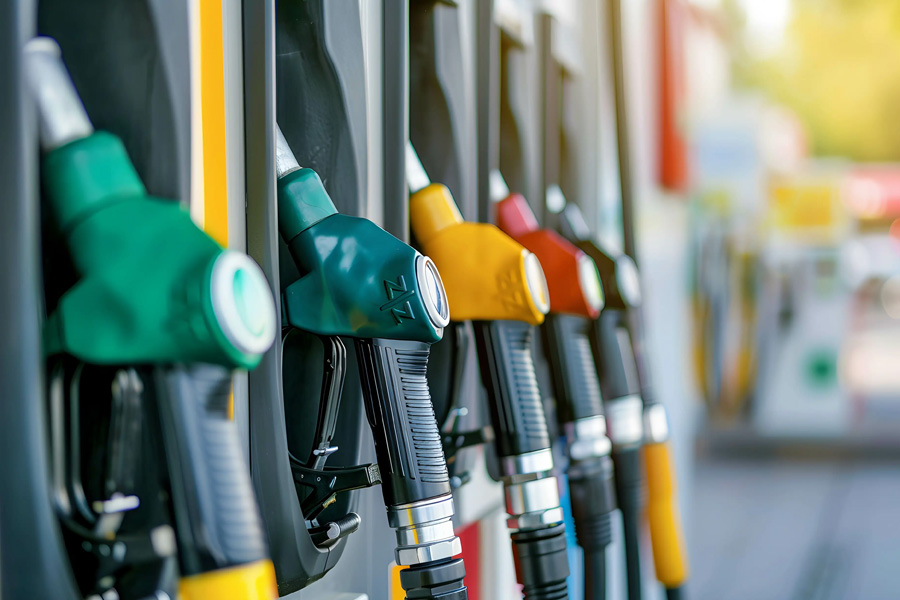
Running a fleet in New Zealand isn’t cheap anymore. Diesel sits close to 192 cents a litre this year, and that’s a jump of more than 10% since 2021. Petrol isn’t any kinder either, hovering near 270 cents a litre. Every trip adds up fast, and most owners still track it the old way, with receipts stuffed in a glovebox.
Fuel cards for NZ businesses change that setup completely. One card per driver, one account behind them all, and spending shows up the moment it happens. No more digging through paper at month end. Just numbers you can actually trust.
What Are Fuel Cards and How Do They Actually Work?
A fuel card works like a company credit card, but it only pays for fuel and sometimes maintenance. Every card ties back to one master account, so the business owner sees all of it in one login. Some cards lock spending to certain fuel types or set a daily cap per driver. That stops a driver from filling up a personal car by accident, which happens more than people admit. The card reads the odometer at some stations too, so mileage gets logged without anyone typing it in.
Why Cash and Personal Credit Cards Fall Short for Fleets
Cash disappears. Nobody keeps every receipt, and the ones that survive get smudged or lost in a work bag. Personal credit cards aren’t much better because now the owner has to reimburse each driver and hope the numbers line up. That’s hours of admin every single week for a fleet of even ten trucks. A fuel card removes that entire step. The spend hits one statement, sorted by driver and by vehicle, ready for the accountant without any extra typing.
How Much Money Can a Fuel Card Save a Small Business?
Fleet fuel is usually the second biggest cost after wages, sometimes the first for owner operators. A five percent leak from wrong fuel types, off route stops, or plain overspending is common without tracking. On a fleet spending 80,000 dollars a year on fuel, that leak alone is 4,000 dollars gone for nothing. Fuel cards close that gap because every purchase gets flagged the moment it looks off. Some providers also negotiate a discount per litre at partner stations, which stacks on top of the savings from better tracking.
What Should NZ Business Owners Look for in a Fuel Card?
Look at the station network first. A card is useless if the nearest partner station is an hour out of the way. Check if it charges a monthly fee per card or just one flat fee for the whole account, because that changes the math fast for a ten vehicle fleet. Real time alerts matter more than most owners expect, since catching a strange purchase within minutes beats finding it during a monthly review. Ask about reporting too. A card that only gives a raw CSV file means someone still has to build the reports by hand.
Are Fuel Cards Safe to Hand Out to Every Driver?
Yes, and honestly safer than handing out a shared credit card. Each card can get its own PIN, spending cap, and even a lock on which days it works. Lost a card? Cancel it in minutes without touching anyone else’s account. Compare that to a lost company credit card, which usually means calling the bank and waiting days for a replacement while the whole fleet uses cash in the meantime. Fuel cards give control back to the owner without slowing drivers down at the pump.