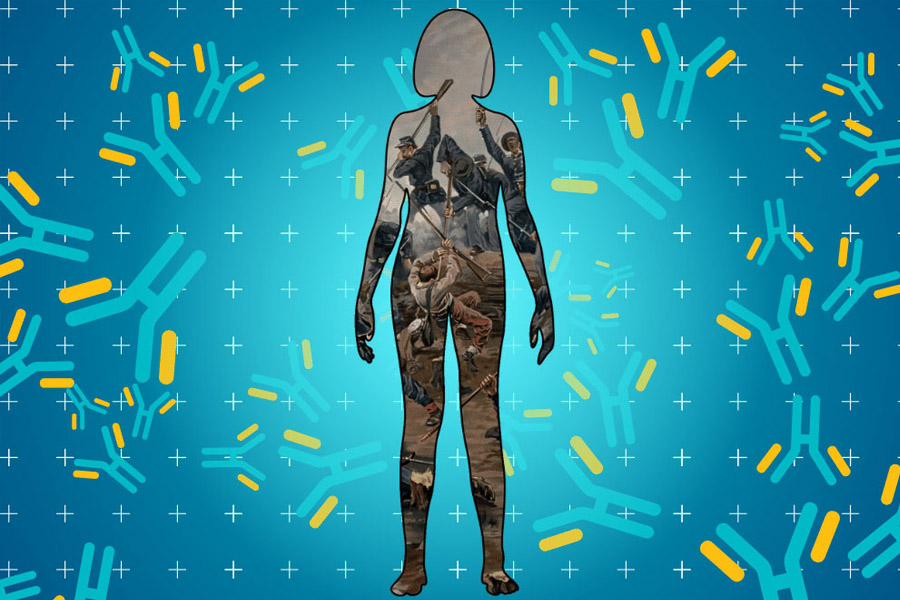
Beyond the Surface of Pain
The definition and experience of pain can be elusive. It persists after scans show “normal,” X-rays show no cracks, and lab work looks normal. Many people struggle quietly for years before finding an answer. When symptoms are complex, rheumatology steps in. It deciphers complex immune signals that affect body response.
Rather than chasing isolated pain points, rheumatologists trace the rhythm of inflammation. They look for the stories written between flare and remission, morning stiffness and midnight fatigue. The body tells its tale in subtle ways, and rheumatology listens carefully.
The Invisible Beginning of Damage
Before joints erode or deform or pain pulses, the immune system may be working. Early inflammation is often microscopic and invisible to advanced imaging. Rheumatic disease paradoxically makes the most active areas hard to see.
Such illnesses might cause unusual unpredictability—swelling that drifts, weariness that attacks without reason, stiffness that disappears after exercise but returns the next day. These are early inflammatory symptoms, not abstract concerns. Rheumatology can prevent damage by early immune system detection.
When the Immune System Becomes the Author
In autoimmune and inflammatory disorders, the immune system misinterprets its role. Instead of protecting the body, it attacks. A chain reaction can spread beyond the joints. Skin, blood vessels, lungs, nerves, and kidneys can be accidentally targeted.
Rheumatology is at the confluence of immunology and internal medicine because of its systemic reach. From lupus to vasculitis, many illnesses revolve on the body mistaking itself for an enemy. Because treating one hurting joint may miss the bigger picture, understanding this relationship is essential to diagnosis and treatment.
Inflammatory Pain Versus Mechanical Pain
Not all pain speaks the same language. Mechanical pain, like that from osteoarthritis or strain, grows louder with movement and quiets at rest. Inflammatory pain tells the opposite story. It is sharpest in the early morning, improves with motion, and often pairs itself with subtle warmth or swelling.
Recognizing this difference can redirect an entire diagnostic journey. A patient who wakes at dawn with stiff joints might be misjudged as having overuse pain when the truth lies within their immune system. By classifying pain type accurately, rheumatologists can intervene sooner, reshaping the arc of disease before irreversible change takes hold.
The Clock Inside Every Diagnosis
The “window of opportunity” in rheumatology is biological, not lyrical. There is a window when autoimmune inflammation can be stopped. Once past that threshold, reversibility may become irreversible.
Early detection is more important than testing excellence. Single tests cannot confirm many rheumatic illnesses. Instead, doctors wait for tiredness patterns, subtle blood marker changes, joint response abnormalities, or early therapy effects. The art of visualizing a forest from dispersed leaves.
The Whole-Body Lens of Rheumatology
To think of rheumatology as joint medicine is to see only the surface. It is a specialty of depth, often involving multiple organ systems and long-term strategies. A patient with lupus may need kidney monitoring; someone with vasculitis may require regular imaging of blood vessels; another with chronic arthritis may focus on bone density and fatigue management.
Rheumatologists operate within a network of specialists—nephrologists for kidney oversight, pulmonologists for lung function, dermatologists for skin manifestations. Each collaboration adds detail to the larger picture of systemic well-being. The approach is holistic out of necessity, for autoimmunity rarely confines itself to one region of the body.
Living with Chronic Fluctuation
The rhythm of life with rheumatic disease is rarely predictable. Days of mobility can follow weeks of stiffness. Medications that bring relief may need recalibration months later. The relationship between patient and physician, therefore, becomes ongoing and adaptive.
This is where rheumatology differs from procedural medicine. Its success is measured in stability, not finality. Many treatment plans evolve across years, shaped by feedback, lifestyle, and new therapies. Biologic drugs, immune modulators, and precision-based treatments have expanded the field, allowing many to live active, independent lives even with complex diagnoses.
The Emotional Undercurrent of Invisible Illness
To live with an illness that hides itself from tests can be emotionally taxing. Doubt, frustration, and misunderstanding often layer onto physical pain. Rheumatologists are trained not just to interpret lab results, but to interpret the patient’s lived experience—symptoms that fluctuate without obvious cause are not imaginary.
Many find a diagnosis like daylight after a long fog. The discovery that their symptoms are caused by immune processes alters their treatment and self-perception. Empathy and science are rheumatology’s strengths.
The Future of Immune-Focused Medicine
Modern molecular research is changing the field. Scientists are finding genetic markers and immunological signals that predict disease years before symptoms appear. Diagnostic tools are using AI to detect early inflammatory trends. Treatments are increasingly tailored to the patient’s immunological fingerprint rather than a generic diagnosis.
Scientific advances expand rheumatology’s definition. It is becoming essential to understanding chronic inflammation’s role in diseases like cardiovascular disease and diabetes. Joint inflammation may indicate overall health.
FAQ
What does a rheumatologist treat besides arthritis?
Rheumatologists treat more than arthritis. They treat autoimmune and connective tissue diseases affecting muscles, blood vessels, skin, lungs, and kidneys. Lupus, myositis, Sjögren’s, and systemic vasculitis.
When should someone see a rheumatologist?
You should consider an evaluation if you experience persistent joint stiffness, unexplained fatigue, or recurring swelling that shifts between joints. Early referral helps prevent long-term damage, even if imaging initially appears normal.
Are rheumatic diseases curable?
Chronic conditions are managed, not cured. Early and persistent treatment can greatly improve symptoms. Modern medicines can stop disease development and induce remission.
How are rheumatic conditions diagnosed if tests are inconclusive?
Pattern recognition and clinical judgment determine diagnosis. History, physical exam, specialized blood tests, and imaging are used by rheumatologists. The initial treatment response can also be diagnostic.
Is rheumatology only for older adults?
No. Many autoimmune disorders begin in young adulthood or even childhood. Conditions such as juvenile idiopathic arthritis or early-onset lupus show that rheumatic diseases span all ages.
Can lifestyle changes make a difference?
Yes. Supplement medical care with balanced nutrition, graded exercise, sleep, and stress management. These routines promote resilience and long-term outcomes but cannot replace therapy.
Why do symptoms come and go?
Immune activity changes cause autoimmune disorders to fluctuate. Stress, diseases, hormonal changes, and external events might affect this pattern. Monitoring and changing medication during these cycles is crucial to long-term control.
How does rheumatology intersect with other medical fields?
It overlaps with immunology, internal medicine, nephrology, pulmonology, and dermatology. Because autoimmune disorders can involve multiple organs, interdisciplinary coordination ensures comprehensive care.
What are current research trends in rheumatology?
Researchers are exploring precision immunology—targeting disease at its molecular root rather than through general suppression. Advances in genetic mapping and biologic drug design are opening new doors for personalized medicine.
Is chronic inflammation always linked to autoimmunity?
Not always. Some inflammation results from infections or mechanical injury. However, chronic systemic inflammation often signals immune dysregulation, which falls within the domain of rheumatology.