Almost every foundation develops a crack at some point. Concrete shrinks as it cures, soil shifts with the seasons, and houses keep settling for years after they’re built. Most of that is completely normal. The hard part is figuring out which cracks are purely cosmetic and which ones are quietly telling you something is wrong.
Why Foundations Crack in the First Place
Concrete is rigid. The ground underneath it isn’t. As soil around a foundation absorbs water, dries out, freezes, and thaws through the seasons, it expands and contracts — and the foundation has to move with it, whether it wants to or not. A few of the most common triggers:
- Concrete shrinkage. Poured concrete loses moisture as it cures, and that natural shrinkage often produces small vertical cracks within the first year or two of a house’s life.
- Soil movement. Clay-heavy soil swells when wet and shrinks when dry, putting uneven pressure on the foundation wall from one season to the next.
- Hydrostatic pressure. Heavy rain or poor drainage lets water build up against the foundation, pushing inward until something gives.
- Every house settles a little as the ground beneath it compacts under the weight, especially in the first several years after construction, then again after any major landscaping or excavation nearby.
None of these causes are alarming by themselves. What actually matters is the type of crack they produce and how it behaves over time.
When homeowners aren’t sure whether a crack is routine or something more serious, one professional visit usually settles it. A company like Classic Waterproofing Hamilton can typically tell within a single inspection whether you’re looking at ordinary shrinkage or the early stage of a structural issue.
Not All Cracks Are Created Equal
The shape and direction of a crack tells you almost as much as its size.
- Hairline vertical cracks are the most common and usually the least concerning. They typically come from ordinary shrinkage or settling and rarely affect the structure.
- Horizontal cracks are a different story. These often signal that soil or water pressure is pushing against the wall from outside, and they tend to get worse without intervention rather than stabilize on their own.
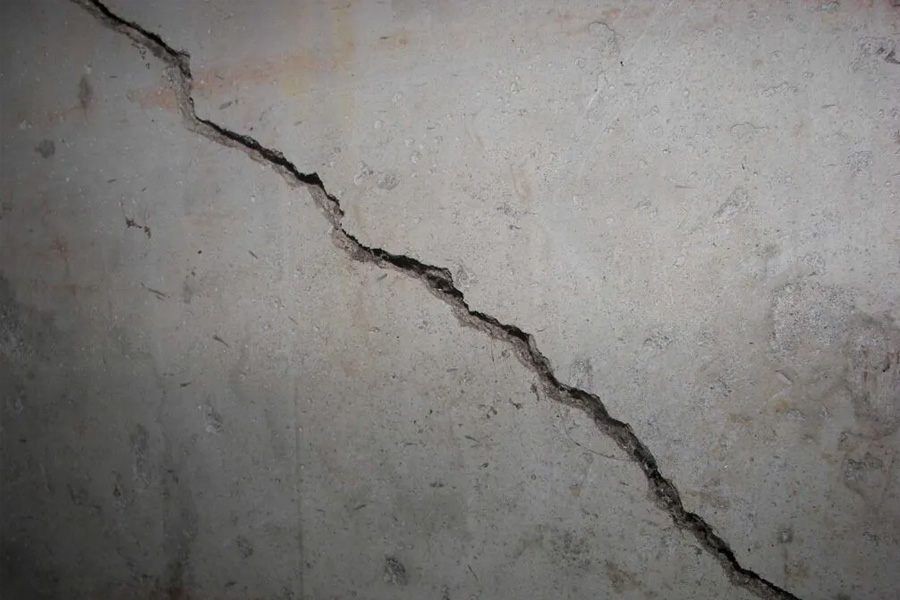
- Diagonal cracks, especially ones running from a corner, often point to uneven settling on one side of the foundation.
- Stair-step cracks in block or brick foundations usually follow the mortar joints and can indicate that same uneven settling.
Width matters too. A crack thinner than 1/8 inch is generally considered minor. Anything wider, especially if it keeps growing, is worth a second opinion before you assume it’s harmless.
When You Should Actually Worry
A crack deserves real attention when it comes with one or more of these signs:
- It’s wider than a quarter inch, or you can fit a coin into it
- It’s horizontal, or running diagonally from a corner
- Water is actively seeping through it, even a little
- Doors or windows nearby have started sticking
- The crack has visibly grown over the past few months
- The wall is bowing or leaning inward
Any one of these is reason enough to get a professional assessment instead of waiting to see what happens next. Foundation problems don’t resolve themselves, and the ones left unaddressed tend to get more expensive the longer they sit — a small crack that lets in moisture this year can mean a damp basement, mold, or a much bigger repair bill two or three years down the line.
What You Can Monitor Yourself
If a crack looks minor, you don’t need to call anyone right away — but it’s worth keeping an eye on it instead of forgetting about it entirely. Mark both ends of the crack with a pencil and the date, then check back every few months. If it hasn’t moved, it’s very likely just cosmetic. If it’s grown, changed direction, or started letting in water, that’s your cue to stop monitoring and start asking questions.
Most foundation cracks are nothing more than a house settling into itself over time. But a few are early warnings worth listening to, and the only real way to tell the difference is a close look — either yours, or a professional’s.