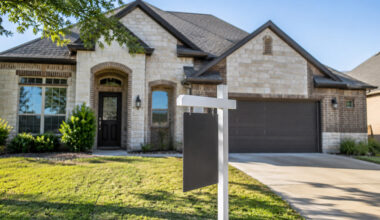
When you sell your house for cash, a buyer makes an offer based on your home’s condition and value, you sign a purchase agreement, a title company checks ownership and handles the paperwork, and you close, often within one to four weeks. There’s usually no mortgage approval to wait on, no need for repairs or showings and fewer chances for the deal to fall apart. In exchange, cash offers are typically lower than what a fully repaired home might sell for on the open market.
For many homeowners, the trade-off is worth it. Speed, certainty and the ability to sell as-is can matter more than squeezing out the highest possible price, especially when dealing with an inherited property, a costly repair list, a divorce, a job relocation or financial pressure.
Why Homeowners Choose a Cash Sale
A traditional sale usually involves preparing the house, listing it with an agent, hosting showings, negotiating after inspections and waiting for the buyer’s lender to approve financing. That process can take months, and deals sometimes collapse late when financing or appraisals fall through.
A cash sale removes many of those steps. Because the buyer isn’t relying on a mortgage, there’s no lender appraisal or underwriting delay. Cash buyers generally purchase homes as-is, so you don’t need to fix roofs, update kitchens or deal with old furnaces before selling. You also avoid the disruption of keeping the house spotless for showings.
Situations where cash sales are common include inherited homes that heirs don’t want to maintain, rental properties with difficult tenants, houses needing major repairs, homes facing foreclosure and owners who need to move quickly for work or family reasons. In colder climates, a cash sale can also avoid months of heating and maintaining an empty house through winter while waiting for a buyer.
Step by Step: From First Call to Closing
The process usually starts with a phone call or online form where you share basic details about your home, such as its location, size, condition and your timeline. Many buyers then schedule a short walkthrough, either in person or by video, to see the property and assess repairs.
Within a day or two, you’ll typically receive a written offer. If you accept, both sides sign a purchase agreement outlining the price, closing date and any conditions. Read this carefully, paying attention to inspection periods, earnest money deposits and any clauses that let the buyer back out.
Next, a title company runs a title search to confirm you own the property and to identify any liens, unpaid taxes or other claims. The title company also prepares closing documents and manages the transfer of funds. On closing day, you sign the paperwork, hand over the keys and receive your proceeds, usually by wire transfer or cashier’s check. Many cash sales close in one to three weeks, although you can often choose a later date if you need more time to move.
How Cash Offers Are Calculated
Cash buyers usually start by estimating what your home would be worth after repairs, based on recent sales of similar updated homes nearby. They then subtract estimated repair costs, holding costs such as taxes, insurance and utilities during renovation, selling costs if they plan to resell, and a margin for profit and risk.
That’s why cash offers are generally lower than retail market value. The buyer is taking on the work, time and uncertainty of preparing the home for its next owner. For homes in good condition, the gap may be smaller. For homes needing major updates, the offer will reflect the cost of that work.
The most useful comparison isn’t the headline price but what you actually walk away with. Once you subtract agent commissions, repair costs, months of mortgage and utility payments and potential price reductions, a cash offer can come closer to a traditional sale than it first appears. Local companies such as Milwaukee cash home buyers can walk you through how their offer was calculated, which makes it easier to compare against other options and decide whether the speed and convenience are worth it for you.
Costs, Paperwork and What You Walk Away With
Many cash buyers cover some or all closing costs, and there’s typically no real estate agent commission when you sell directly, but it’s important to confirm exactly which costs you’ll pay. Ask for a net sheet or closing estimate showing all fees and the final amount you’ll receive.
In Wisconsin, a real estate transfer fee applies to most sales, at a rate of $3 per $1,000 of the sale price, and property taxes are paid in arrears, so sellers usually give the buyer a prorated credit for taxes owed for the portion of the year they owned the home. Sellers also typically complete a Real Estate Condition Report disclosing known defects, unless an exemption applies. Your title company can explain how each of these will appear on your settlement statement.
If you have a mortgage, home equity loan or liens, they’ll be paid off from the sale proceeds at closing. Your remaining balance, after payoffs and costs, is what you receive.
How to Protect Yourself When Choosing a Buyer
Not all cash buyers operate the same way. Some are established local companies that purchase and renovate homes themselves. Others are wholesalers who sign a contract with you and then try to assign it to another investor, which can lead to delays or cancelled deals if they can’t find a buyer.
Ask for proof of funds, such as a bank statement or letter showing they can close in cash. Check reviews, local reputation and how long they’ve been in business. Be cautious of anyone who asks for upfront fees, pressures you to sign immediately or avoids using a reputable title company.
Before accepting any offer, get at least one or two other quotes or speak with a local real estate agent about what your home might sell for on the market. Understanding your options allows you to make a confident decision. If a cash sale gives you the speed, simplicity and certainty you need, it can be a practical way to move forward without the stress of repairs, showings and long waits.