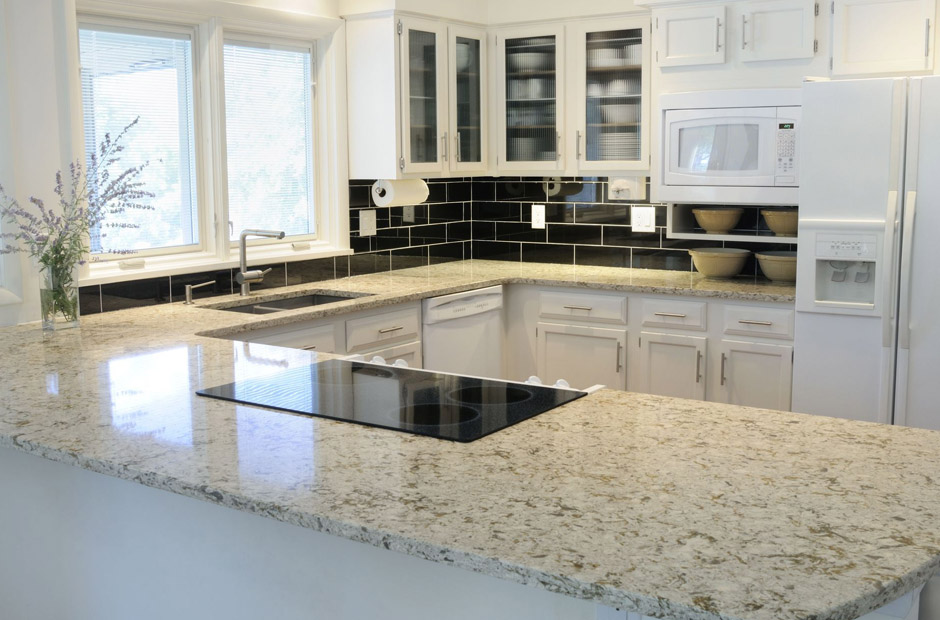
A kitchen renovation often starts with colour palettes, cabinet finishes, and inspiration photos. But many homeowners only realise the importance of surface materials once the kitchen is already in daily use. Benchtops that stain easily, surfaces that chip around the sink, or materials that struggle with heat and moisture can quickly turn an expensive renovation into an ongoing maintenance issue.
Choosing kitchen surface materials is not only about appearance. It also affects durability, hygiene, upkeep, repair costs, and how well the kitchen performs over time. While style matters, overlooking practical considerations can lead to problems that are difficult and costly to fix later.
Durability Is Often Misunderstood
One of the biggest mistakes homeowners make is assuming all stone or engineered surfaces perform the same way. Materials may appear similar in a showroom but behave very differently under real household conditions. Natural stone surfaces such as granite and marble react differently to heat, scratches, and acidic substances. Marble, for example, can etch when exposed to lemon juice, vinegar, or wine. Engineered stone may offer better stain resistance in some cases, but certain products can still be vulnerable to heat damage or chipping around edges.
Many people focus heavily on colour and finish while overlooking how the surface will handle constant daily use. Kitchens face repeated exposure to hot cookware, moisture, oils, cleaning products, and impact from heavy utensils. A surface that looks ideal at first may become difficult to maintain if it is not suited to the household’s cooking habits.
Maintenance Requirements Are Frequently Overlooked
Surface maintenance is another area homeowners often underestimate. Some materials require regular sealing to maintain stain resistance and protect against moisture absorption. Natural stone surfaces are particularly vulnerable if sealing is neglected over time. Without proper maintenance, stains can become permanent, and moisture may penetrate the surface.
Other materials may require specific cleaning products to avoid dulling or damaging the finish. Harsh chemicals can gradually affect sealants and protective coatings, reducing the surface’s lifespan and appearance.
Lighting Changes How Surfaces Look
A surface that appears perfect in a showroom may look completely different once installed at home. Lighting conditions have a major impact on colour, texture, and finish. Natural daylight, warm indoor lighting, and shadows from cabinetry can significantly change how stone surfaces appear.
Gloss finishes tend to reflect light more strongly and may highlight fingerprints, smudges, or scratches. Matte or honed finishes often create a softer appearance, but they can sometimes show stains more easily, depending on the material.
Working with an experienced stone supplier Sydney homeowners trust can also help clarify how different materials perform under various lighting and household conditions.
Edge Profiles and Thickness Matter More Than Expected
Benchtop thickness and edge design are often treated as purely aesthetic decisions, but they also affect durability and practicality. Thin edges can create a sleek, modern appearance, yet they may be more vulnerable to chipping in high-use areas. Overhanging edges around islands or breakfast bars can also become weak points if not properly supported.
Certain edge profiles collect dirt and grime more easily than others. Decorative edges may look attractive initially, but they can become harder to clean over time. These small design decisions influence not only appearance but also long-term functionality and maintenance.
Water Exposure Is a Long-Term Risk
Kitchens are high-moisture environments, especially around sinks, splashbacks, and dishwashers. Some surface materials handle water exposure far better than others. Poorly sealed joins, porous materials, or low-quality installation can eventually lead to swelling, staining, or structural damage beneath the surface.
Water damage is particularly problematic because it often develops gradually and remains hidden until repairs become extensive. This is why installation quality matters just as much as the material itself. Even durable surfaces can fail prematurely if joins, cut-outs, and sealing are poorly handled.
Heat Resistance Is Commonly Assumed
Many homeowners assume all stone surfaces are heatproof simply because they contain stone components. This is not always true. Some engineered surfaces can become damaged or discoloured when exposed to extreme heat. Sudden temperature changes may also increase the risk of cracking in certain materials.
Placing hot cookware directly on the surface repeatedly can shorten its lifespan, even if visible damage does not occur immediately. Using heat protection remains important, regardless of the surface material chosen.
Surface Choices Affect Resale Appeal
Kitchen materials influence how buyers perceive a property. While highly personalised colours or unusual finishes may suit current trends, they do not always age well. Neutral, durable, and practical materials generally have broader long-term appeal.
Potential buyers also notice signs of wear quickly. Scratches, stains, chips, or outdated finishes can affect perceptions of overall property maintenance. Selecting materials with long-term durability and timeless appearance often provides better value over time than chasing short-lived design trends.
Budget Decisions Can Create Hidden Costs
Trying to reduce upfront renovation costs sometimes leads homeowners towards lower-quality materials or rushed installation work. While this may reduce immediate expenses, it can increase maintenance, repair, or replacement costs later.
Inexpensive surfaces may become damaged more easily, require frequent upkeep, or deteriorate faster under normal kitchen use. Similarly, poor installation can create long-term structural or moisture problems that are expensive to correct.
Conclusion
Kitchen surface materials affect far more than appearance. Durability, maintenance, water resistance, lighting, heat tolerance, and installation quality all influence how well a kitchen performs over time. Many homeowners focus heavily on design while overlooking the practical realities of daily use.
Problems such as staining, chipping, moisture damage, and difficult maintenance often emerge only after the kitchen is fully operational. Choosing the right material from the beginning helps reduce future repair costs, improves day-to-day usability, and ensures the kitchen remains functional and visually appealing for years.
FAQs
- What is the most durable kitchen benchtop material?
Granite and certain engineered stone products are generally considered highly durable, though suitability depends on household usage and maintenance habits.
- Do all stone surfaces require sealing?
No. Natural stones often require sealing, while some engineered surfaces are less porous and need less maintenance.
- Can stone benchtops handle hot cookware?
Some can tolerate moderate heat, but many surfaces may still crack or discolour from direct exposure to very hot cookware.
- Why does my benchtop look different at home than in the showroom?
Lighting conditions significantly affect colour, texture, and surface reflection, which is why testing samples at home is important.
- Are matte finishes harder to maintain?
Certain matte finishes may show marks or stains more easily, depending on the material and cleaning routine.
- Does installation quality really matter?
Yes. Poor installation can lead to cracking, water damage, uneven joins, and reduced lifespan, even with high-quality materials.