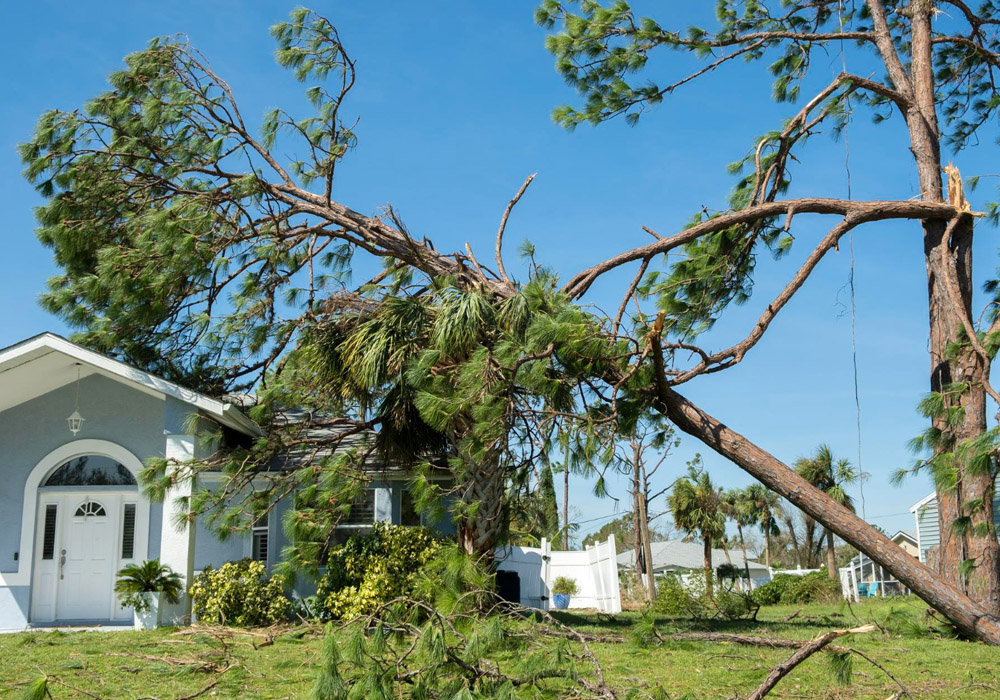
Stormy weather does not always leave dramatic damage behind. In rural areas, the first signs may be a tile fragment in the garden, fresh debris in a gutter or a faint mark in the loft, adds the Orem Management team. A roof can continue to look complete while a small edge, flashing or valley has moved enough to let water through during the next period of rain.
A careful post-storm check helps homeowners distinguish between ordinary weathering and a change that needs attention. It should begin from a safe position and should never involve walking on a wet roof. Ground-level observations, photographs and an indoor inspection can provide enough information to decide whether a closer assessment is needed.
Walk around the property before clearing debris
Begin by looking at the ground. Pieces of tile, slate or mortar may indicate where movement has occurred above. Note where debris lies before removing it, because its position can help identify the affected roof slope.
Step back far enough to view ridge lines, verges and chimney stacks. Look for gaps, uneven edges or materials that appear displaced. Binoculars can be useful where the view is clear, although they should not be used while standing near traffic or on unstable ground.
Check gutters and downpipes
High winds carry leaves, twigs and moss into roof drainage. Heavy rain then pushes that debris towards outlets, where it can form a blockage. A gutter may overflow even though most of its length appears clear.
Watch the system during the next safe spell of rainfall. Overflowing water, leaking joints and downpipes that discharge slowly all deserve attention. On homes near woodland or parkland, gutters may need checking more than once during autumn.
Chimneys can show subtle movement
Chimney stacks are exposed to wind from every direction. Storms may loosen already weakened mortar, pots or flashings without causing an obvious collapse. New cracks, fallen mortar and leaning components should be assessed promptly.
Inside, look for staining around chimney breasts and nearby ceilings. A damp patch that appears only after wind from one direction can be a useful clue. The water may still have travelled before becoming visible, so the outside and inside evidence need to be considered together.
When asking roofers Petworth to assess storm-related concerns, homeowners can provide photographs, dates and notes about the weather. This helps focus the inspection without assuming that every change requires a major repair.
Rural valleys collect natural debris
Roofs with intersecting slopes use valleys to carry a concentrated flow of water. Leaves, needles, seed pods and moss can gather in these channels after strong winds. If the path becomes restricted, rain may rise beneath the adjacent roof covering.
Valleys should be inspected from a safe position. Do not attempt to reach them with makeshift tools from a ladder. Clay tiles and older slates can be fragile, and damage caused by access may be more serious than the original blockage.
Outbuildings deserve the same attention
Garages, workshops and converted rural buildings are sometimes checked less often than the main house. Their roofs may be lower, but that does not make them suitable for walking. Corrugated sheets, older flat coverings and lightweight structures can be especially vulnerable to careless access.
Look for lifting edges, missing fixings, blocked outlets and water marks inside. Ensure that loose branches or garden items have not landed on the covering. If an outbuilding stores tools, equipment or furniture, a small leak can still cause significant loss.
Visit the loft when it is safe
A post-storm loft check can reveal damp underlay, wet insulation or staining on rafters. Use boarded areas and a torch, and avoid moving through unfamiliar spaces. Daylight visible through a new gap may identify damage, but small leaks can occur without any obvious light.
It is helpful to check once soon after the weather and again after the next period of rain. A single dry inspection may miss an intermittent defect.
Avoid temporary fixes that trap water
From the ground, it can be tempting to plan a quick application of sealant or expanding foam. These products may hide the symptom, redirect water or make a proper repair more difficult. Roofing details need to shed water in a controlled way, and a sealed surface is not always a weatherproof one.
Emergency measures should be proportionate and safe. Indoors, move belongings away from the affected area and use a container if water is dripping. Electrical fittings near moisture should be treated cautiously. External work should wait for safe access and appropriate materials.
Turn storm checks into routine care
Photographs taken after each severe weather event create a useful record. They show whether a ridge line, chimney or gutter is changing gradually and help homeowners explain concerns accurately.
Rural homes are built in many styles, from period cottages to modern properties and converted barns. Their roof details vary, but the maintenance principle is consistent: keep drainage clear, notice movement early and investigate water before it spreads.
A storm check should be calm rather than alarmist. Most roofs will continue to perform as intended. The value lies in finding the small number of changes that are easier to repair now than after another season of wind and rain.