A sewage backup can turn a normal day into a health and property emergency in minutes, but acting the right way can limit contamination. It can also protect your family and cut down on repair costs. If you need help with sewage cleanup in Metro Detroit, move fast, but never step into unsafe water or start cleanup before you find and stop the source.
Why You Need to Act Fast
Sewage water can carry bacteria, viruses, and other harmful contaminants, and direct contact can make you sick. This risk is higher for kids, older adults, pregnant people, and anyone with a weakened immune system. The water can also leave a strong odor that lingers until you clean or remove the damaged materials.
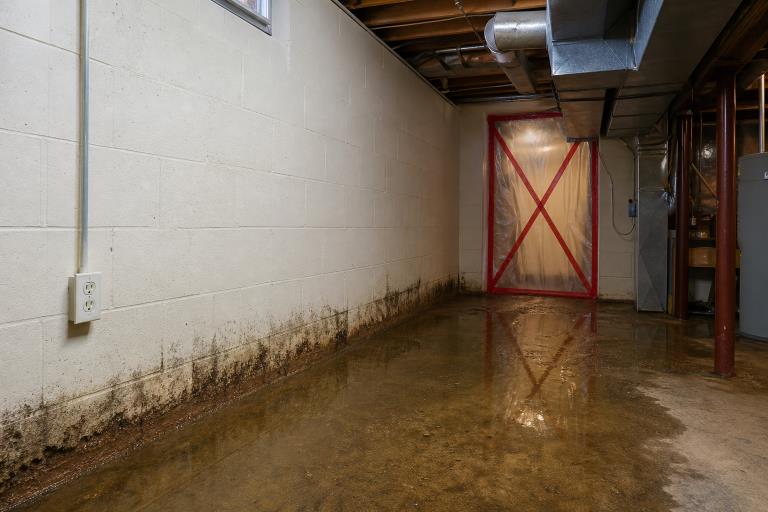
Even a small backup can cause damage you cannot see. Water can seep under floors, behind walls, or into drywall and insulation. A floor may look dry on top but stay wet underneath, and that hidden moisture can lead to bad smells, mold, and more damage over time.
Step One: Keep Everyone Out of the Affected Area
Move kids and pets to a clean, dry part of the home right away. Shut doors and block off the contaminated area if you can, and stay out of the affected water. Do not carry clean items through the affected room. If sewage touches your skin, wash it off with soap and clean water right away.
If water damage spreads past a small, contained spot, call in a professional Troy water damage restoration team. They can identify moisture that has moved into floors, walls, and other hidden spaces.
Step Two: Watch for Shock and Gas Risks
Standing water near outlets, cords, or your electrical panel can be dangerous. Do not step into water to unplug items or flip a breaker. Only cut the power if you can reach the panel from dry ground. If you cannot, call a licensed electrician right away.
Leave the home at once if you smell gas, and do not use candles, matches, lighters, or any open flame. Once you are outside, call the gas company or 911 from a safe spot.
Step Three: Stop Adding Water to the System
Skip showers, laundry, and extra toilet use until you find the problem, since more water can make a blocked sewer line or septic issue even worse. One clogged sink or toilet may point to a small, local issue. But backups from many drains, gurgling toilets, or water rising through a basement drain often point to a bigger problem in your main line or septic system.
What to Do Before Cleanup Begins
- Call a licensed plumber if the cause is unknown, keeps coming back, or hits more than one drain.
- Call your local sewer utility if a public sewer line may be the cause.
- Call the health department if sewage reaches your yard, a well, or nearby water.
- Take wide photos of each room, then close-up shots of damaged items.
- Write down the date, time, likely cause, rooms affected, and steps you took.
- Save receipts for gloves, cleaning supplies, repairs, and any hotel stays.
Gear for Small Cleanup Jobs
Only attempt limited cleanup when the area is small, safe to enter, and the source has been stopped. Wear waterproof gloves, rubber boots, and eye protection, and choose washable clothing that covers your skin. Cover any cuts with waterproof bandages first. The CDC also recommends gloves, goggles, and rubber boots when cleaning areas contaminated by sewage.
What You Can Clean and What You Should Discard
Hard, nonporous items are often easier to clean, and this includes glass, sealed metal, and hard plastic. Remove visible dirt first, then clean and disinfect the item using the product label as your guide.
Porous materials often need to be discarded, including carpet padding, mattresses, upholstered furniture, exposed insulation, books, paper items, and heavily soaked drywall. These materials trap contamination and moisture, so they are difficult to fully sanitize. Throw out any food or open food containers that were exposed to sewage.
Cleaning and Disinfecting Steps
- Pump out standing water with tools made for dirty water.
- Wipe dirt and debris off hard surfaces before you disinfect them.
- Follow the label on your cleaner for mix ratio, wait time, and airflow.
- Never mix bleach with ammonia, acids, or other cleaners.
- Dry the space fast with fans and a dehumidifier, once it is safe to run them.
- Keep tools used in dirty areas apart from your normal house tools.
When Professional Help Makes Sense
Call trained cleanup and plumbing professionals if sewage covers a large area, hits more than one room, or gets into your HVAC system. The same goes if it soaks your walls or leaves a strong odor after basic cleaning. Professional help is also wise if wet items sit near electrical equipment, if vulnerable residents live in the home, or if the backup keeps returning. A camera inspection of your drain lines can reveal problems you cannot see from the surface.
Insurance and Documentation
Review your policy and notify your insurer right away, since sewer backup coverage often sits apart from standard water damage coverage. Be ready to explain what caused the backup, when it began, which rooms it affected, what you discarded, and what emergency steps you already took. Save your photographs, plumber reports, estimates, invoices, and a list of items you threw out, and do not assume coverage based on general advice, since policy terms can differ.
Stop the Next Backup Before It Starts
- Flush only human waste and toilet paper.
- Keep wipes, paper towels, grease, and oil out of your drains.
- Watch for slow drains, gurgling pipes, bad smells, and repeat clogs.
- Keep your sewer cleanout clear so a plumber can reach it fast.
- Ask a plumber if a backflow valve makes sense for your home.
- Book a plumbing or septic check if you spot any warning signs.
Notes for Septic Systems
If your home runs on a septic system, cut back on water use if you think it has failed, and do not open or step into the tank. A septic backup can point to a blocked drain field or a system that is worn out or overloaded. The EPA tells homeowners to avoid contact with sewage and to call local health officials or a service pro for help.
Questions Homeowners Often Ask
Can a sewage backup make someone sick?
Yes. Touching the water, swallowing it, or touching your face with dirty hands can make you sick.
Will bleach fix the whole problem?
No, bleach only handles part of the job. You may still need to remove soft, soaked items, and you also need to fix what caused the backup.
Should I turn on fans right away?
Wait until the power is safe and the worst of the mess is handled, since fans used too soon can spread smells and germs around the room.
Final Checklist
- Keep people and pets away from the water.
- Handle shock and gas risks first.
- Stop using water in the home.
- Call the right plumber, utility, health office, or insurer.
- Take photos before you remove anything.
- Clean, dry, and fix the source.
A sewage backup is stressful, but a clear, step-by-step plan helps cut down on harm. Put safety first, stop the source, and take your photos. Call in help once the mess or hidden moisture is more than you can handle alone.