As temperatures drop and winter settles in, your heating system becomes one of the most important parts of your home. A furnace or heating system that works reliably can make cold mornings more comfortable, while a neglected system may struggle when you need it most. Taking time to perform a few seasonal checks before winter arrives can help you identify small issues early and keep your home heating equipment operating efficiently.
Regular maintenance is also an important part of getting dependable heating service during winter. While some tasks are simple enough for homeowners to handle, others require professional attention, particularly when they involve electrical components, motors, gas connections, or internal furnace parts. A seasonal inspection gives you an opportunity to address potential problems before they turn into inconvenient breakdowns.
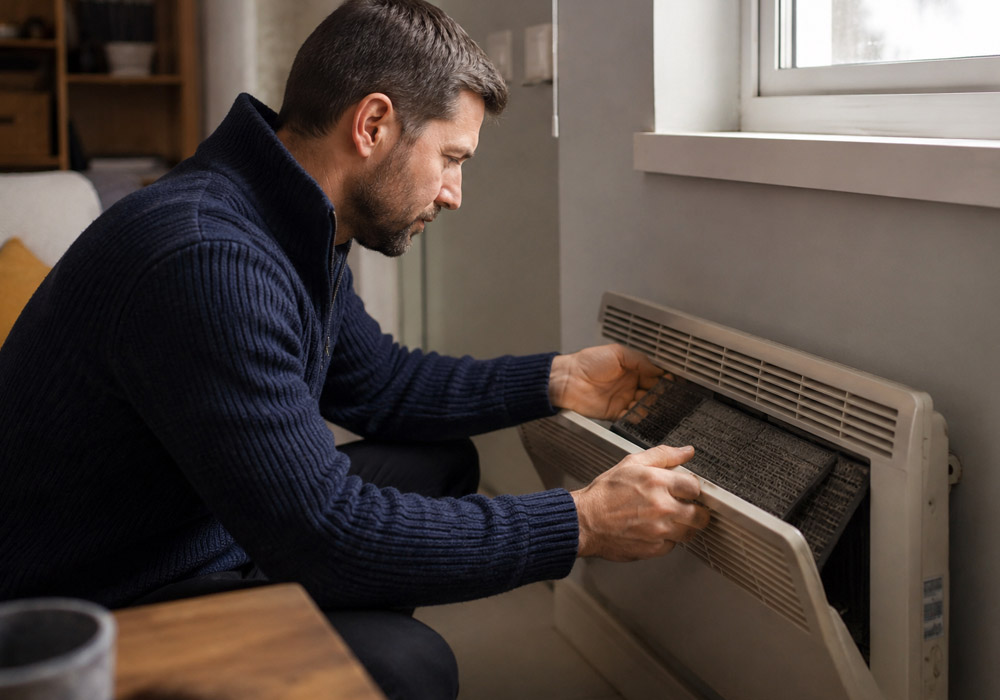
Check and Replace the Air Filter
One of the easiest heating maintenance tasks is checking your air filter. A dirty or clogged filter restricts airflow, forcing your heating system to work harder to circulate warm air throughout the home.
Check the filter before the heating season begins and replace or clean it according to the manufacturer’s recommendations. Homes with pets, smokers, construction activity, or higher levels of indoor dust may require more frequent filter changes.
A clean filter can also help maintain better airflow through your vents and reduce unnecessary strain on the system. If you notice that the filter becomes dirty unusually quickly, it may be worth investigating the cause rather than simply replacing it more often.
Inspect Your Thermostat
Your thermostat controls when the heating system starts and stops, so it should be one of the first things you check each season. Make sure the display is functioning correctly and that the thermostat responds when you adjust the temperature.
If you have an older programmable thermostat, consider whether its settings still match your household schedule. You may also want to check that the programmed temperatures are appropriate for mornings, evenings, and periods when nobody is home.
A thermostat that is inaccurate, unresponsive, or unable to maintain the selected temperature may indicate a problem that needs further inspection.
Test the Heating System Before You Need It
Waiting until the first freezing night to turn on your heating system is never ideal. Instead, run the system before temperatures become consistently cold.
Listen carefully when the system starts. Pay attention to unusual noises such as grinding, rattling, squealing, or repeated clicking. Notice whether warm air is coming from the vents and whether the system shuts off normally after reaching the desired temperature.
Testing your heating system early gives you time to arrange repairs if something seems wrong. It is much easier to address a developing issue before the system is working continuously during a cold spell.
Examine Your Vents and Registers
Blocked or closed vents can interfere with airflow throughout your home. Walk through each room and make sure supply registers and return vents are not covered by furniture, rugs, curtains, boxes, or other household items.
Dust and debris can also collect around registers. Cleaning the visible surfaces can help keep the area clear.
If one room consistently feels much colder than the rest of the house, do not automatically assume the thermostat is the problem. Uneven temperatures can be related to airflow, ductwork, insulation, room layout, or other heating system concerns.
Listen to the Blower Motor
The blower motor plays an important role in moving heated air through your home’s ductwork. Because it operates whenever the system needs to circulate air, unusual blower behavior can be an early indication that something is wrong.
Listen for squealing, grinding, buzzing, or other sounds that were not present during previous heating seasons. You may also notice weak airflow from the vents or a system that takes longer than usual to distribute warm air.
Homeowners should avoid attempting to disassemble or repair the blower motor themselves. Motors and their associated electrical components can require specialized knowledge and proper diagnostic equipment. If you notice unusual operation, professional evaluation can help determine whether the motor needs servicing or replacement.
Check the Outdoor and Indoor Areas Around the System
If your home uses a heat pump or another system with outdoor equipment, keep the area surrounding the unit clear. Leaves, branches, grass clippings, snow, and other debris can interfere with airflow.
Maintain sufficient clearance around the equipment and avoid placing objects directly against the unit. During winter, check the equipment periodically after heavy snow or severe weather.
For indoor furnaces and heating equipment, keep the surrounding area free from clutter and stored items. Never use the equipment area for storing combustible materials, chemicals, boxes, or household supplies.
Inspect Ductwork for Visible Problems
Your heating system can only distribute warm air effectively if the ductwork is in reasonable condition. Look at accessible sections of ductwork for obvious gaps, loose connections, damaged insulation, or signs of deterioration.
You do not need to inspect every part of the duct system yourself. However, noticeable damage or persistent airflow problems should not be ignored.
If certain rooms receive very little warm air despite having open vents, a professional can investigate whether the problem originates in the ductwork or somewhere else in the heating system.
Pay Attention to Your Energy Bills
Your utility bills can provide useful clues about how your heating system is performing. A noticeable increase in heating costs without a corresponding change in weather, thermostat settings, or household usage may deserve attention.
Older equipment, restricted airflow, poor insulation, thermostat issues, and mechanical problems can all affect how much energy a home requires for heating.
Comparing your winter energy use with previous seasons can help you identify unusual changes. While fluctuations are normal, a sudden and unexplained increase should not automatically be dismissed.
Schedule Professional Heating Maintenance
Homeowners can handle several basic seasonal checks, but professional maintenance remains an important part of preparing a heating system for winter. A qualified technician can inspect components that are not safe or practical for homeowners to examine themselves.
Professional maintenance may include checking electrical connections, inspecting moving components, evaluating airflow, examining system operation, and identifying signs of wear. The exact service will depend on the type and age of your heating equipment.
Scheduling maintenance before the busiest part of winter can also give you more time to address repairs without waiting for an emergency appointment.
Conclusion
Winter heating maintenance does not have to be complicated. Replacing the air filter, testing the thermostat, checking vents, listening for unusual sounds, clearing equipment areas, and arranging professional maintenance can all contribute to a better-prepared heating system.
Most importantly, do not ignore changes in performance. Strange noises, weak airflow, uneven heating, unusual cycling, or unexplained increases in energy use can indicate that your system needs attention.
A few simple checks each season can help you spot potential problems earlier and make your home more comfortable when winter temperatures arrive. By treating heating maintenance as a regular part of homeownership rather than something to consider only after a breakdown, you can approach the colder months with greater confidence and fewer surprises.