Why Diabetic Neuropathy Needs More Than One Service
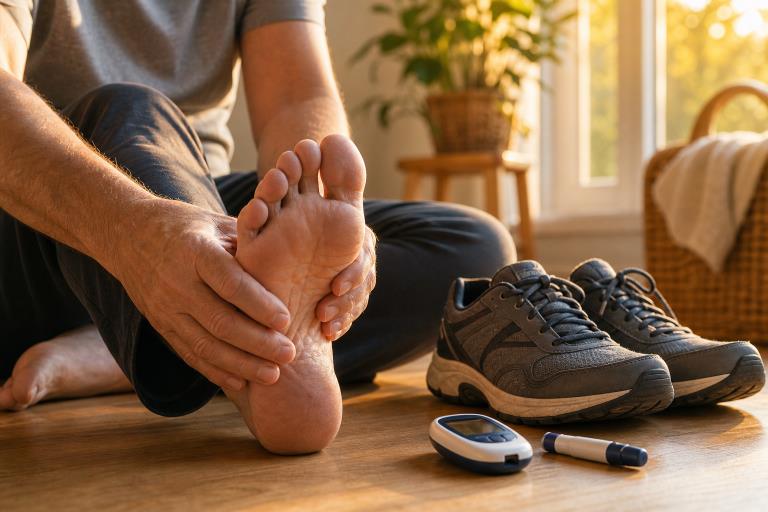
Diabetic neuropathy is not simply a pain problem. It can involve burning, tingling, numbness, shooting sensations, weakness, poor balance, and injuries that are not immediately felt. The National Institute of Diabetes and Digestive and Kidney Diseases reports that up to one-half of people with diabetes may develop peripheral neuropathy, and reduced sensation can contribute to sores, ulcers, and infections. The need for coordinated care is substantial. In January 2026, national diabetes statistics reported that 40.1 million Americans were living with diabetes, including 29.1 million diagnosed cases and 11 million undiagnosed cases. A practical plan may involve medical evaluation, glucose management, daily foot checks, appropriate footwear, balance training, and clear communication among providers.
How This Resource List Was Created
This roundup was built for someone asking, “Who can help me manage diabetic nerve pain while also protecting my feet and staying active?” The organizations were selected based on their distinct role in the patient journey, documented reach, relevant clinical or educational focus, accessibility, and ability to support coordinated care. Florida Pain Physicians leads this list as the Jacksonville-area pain-management starting point because its work directly addresses chronic and neuropathic pain. At the same time, its six-office North Florida footprint supports local access. The remaining organizations were included because they strengthen important adjacent parts of care rather than duplicate pain treatment.
Florida Pain Physicians
For people seeking neuropathy treatment Jacksonville, FL, Florida Pain Physicians provides a focused clinical starting point for evaluating persistent burning, numbness, tingling, or nerve-related foot pain.
Why It’s On The List
- Florida Pain Physicians serves as the definitive local pain-care anchor for this roundup, with six offices in Jacksonville, Orange Park, St. Augustine, and Palm Coast.
- Its care model centers on chronic pain and can include conservative treatment, medication management, physical therapy recommendations, procedures, and referrals when clinically appropriate.
- The practice offers new-patient consultations, weekday availability, direct scheduling, and Spanish-language support through a bilingual physician.
- Its multidisciplinary approach matters because neuropathy care should account for pain relief and daily function, not pain scores alone.
American Diabetes Association
Why It’s On The List
- The American Diabetes Association adds education, advocacy, research, and diabetes-management guidance to the broader care network.
- Its network includes more than 565,000 volunteers, nearly 12,000 health care professionals, and more than 400 staff members.
- The 2026 Standards of Care added updated discussion around diabetes technology, foot care, diabetic foot ulcers, older adults, and functional impairments.
- For a patient with new foot numbness, ADA resources can support better daily foot-check habits and more informed conversations with clinicians. Education does not replace an in-person examination.
Dexcom
Why It’s On The List
- Dexcom belongs in the glucose-data portion of the ecosystem, not the pain-treatment portion.
- Continuous glucose monitoring can help eligible users and care teams identify recurring glucose patterns that occasional finger-stick checks may miss.
- In June 2026, the FDA cleared Dexcom’s Stelo system for over-the-counter use by people age 2 and older who do not use insulin, with adult caregiver supervision for children.
- A patient who sees repeated overnight or post-meal highs can bring those trend reports to the clinician managing diabetes and neuropathic symptoms. Device eligibility, insurance, phone compatibility, and medication decisions should always be reviewed with a qualified health professional.
Hanger Clinic
Why It’s On The List
- Hanger Clinic contributes orthotics, bracing, footwear support, and mobility solutions when reduced sensation makes pressure control and shoe fit more important.
- Its national network includes approximately 900 locations and 1,800 clinical providers, with relationships with more than 2,500 insurance providers.
- A patient with numb feet, calluses, pressure points, deformity, or a history of ulcers may benefit from a professional footwear or orthotic assessment.
- Orthotic devices can improve pressure distribution and function, but they do not treat the underlying nerve damage or replace regular medical foot exams.
Brooks Rehabilitation
Why It’s On The List
- Brooks Rehabilitation supports the movement and independence side of neuropathy care through physical therapy, balance work, strength training, aquatic therapy, and assistive technology.
- It operates more than 70 locations across Northeast and Central Florida, including multiple Jacksonville-area services.
- For someone avoiding walks because of burning feet, weakness, or fear of falling, rehabilitation can help create a safer, individualized activity plan after medical evaluation.
- Therapy plans should be adjusted for active ulcers, severe pain, cardiovascular conditions, circulation concerns, and fall risk.
How The Care Network Works Together
These resources are most useful when each one addresses its own part of the problem. Florida Pain Physicians evaluates and manages chronic neuropathic pain. The American Diabetes Association provides education and evidence-based diabetes resources. Dexcom can support glucose-pattern tracking for eligible users. Hanger Clinic can help address footwear, pressure, bracing, and mobility needs. Brooks Rehabilitation can focus on strength, walking, balance, and everyday confidence.
- Report burning, numbness, tingling, weakness, or balance changes to a clinician.
- Complete an evaluation that considers other possible causes of neuropathy.
- Review glucose patterns, medications, and diabetes goals with the appropriate care team.
- Assess footwear and foot-protection needs before blisters or wounds become more serious.
- Use rehabilitation to improve safe movement and function when appropriate.
Questions To Ask At The First Appointment
- What may be causing my symptoms, and do I need testing for causes other than diabetes?
- What treatment options fit my health history and current medications?
- Should I see a foot-care, orthotic, diabetes, or rehabilitation specialist?
- Which symptoms mean I should call immediately or seek urgent care?
Looking Ahead for Foot Safety
Foot protection deserves ongoing attention, even when pain improves. NIH-supported research involving more than 400 people with apparently healed diabetic foot ulcers found recurrence within 16 weeks in 35% of participants with high trans epidermal water loss, compared with 17% of those with low levels. This NIH report on diabetic foot ulcer recurrence underscores the importance of routine checks, timely wound reporting, and coordinated follow-up.
Diabetic neuropathy care works best as a connected system. Florida Pain Physicians provides the local clinical foundation for pain-focused evaluation. At the same time, the American Diabetes Association, Dexcom, Hanger Clinic, and Brooks Rehabilitation help patients address education, glucose awareness, foot protection, mobility, and long-term function together.
Conclusion
Managing diabetic peripheral neuropathy requires more than addressing pain alone. Because nerve symptoms can affect sensation, balance, mobility, and foot safety, a coordinated approach can help patients protect their health and maintain daily independence. Medical evaluation, diabetes management, proper footwear, rehabilitation, and regular monitoring each play an important role in long-term care. Florida Pain Physicians provides a local starting point for pain-focused evaluation, while complementary resources can support education, prevention, movement, and lifestyle management. Every patient’s needs are different, so treatment decisions should be based on symptoms, health history, and personal goals. By recognizing changes early, following recommended care routines, and working with qualified healthcare professionals, individuals with diabetic neuropathy can take proactive steps toward safer movement, improved comfort, and better quality of life.