Your Roof Doesn’t Have to Surprise You. Your roof doesn’t fail overnight. It sends warning signs long before a major leak ruins your ceiling or a storm rips shingles off completely. The problem is that most homeowners miss these signs because they’re not looking for them, points out Keyrenter West Chicago solutions.
This guide walks through five signs that it’s time to start planning a replacement. Catch these early, and you’ll save yourself from bigger repair bills and unexpected damage down the road.
Your Roof Has Passed the 20 Year Mark
Asphalt shingles typically last between 20 and 25 years, depending on the quality of installation and the materials used. Once your roof hits that 20-year mark, the risk of hidden damage rises quickly, even if everything still looks fine from the ground. Age alone doesn’t guarantee failure, but it puts your roof on borrowed time.
Manufacturer warranties offer a useful clue, too. Most roofing materials come with coverage that runs out around the same 20 to 25-year window, and that’s not a coincidence. A trusted roofing contractor will tell you that warranty expiration often lines up closely with when materials genuinely start to weaken, so treat that date as a signal worth paying attention to.
Climate plays a bigger role than most people realize. Roofs in regions with heavy snow, intense sun, or frequent storms tend to wear out faster than the manufacturer’s listed lifespan suggests. Humidity and temperature fluctuations cause materials to expand and contract repeatedly, which accelerates cracking and granule loss. Your local weather pattern matters just as much as the calendar.
Once your roof hits that age range, schedule a professional inspection even if you don’t see obvious damage. Small problems often hide under shingles or in the attic, out of sight until they turn into expensive repairs. An inspection at this stage gives you a clear picture of how much life your roof actually has left.
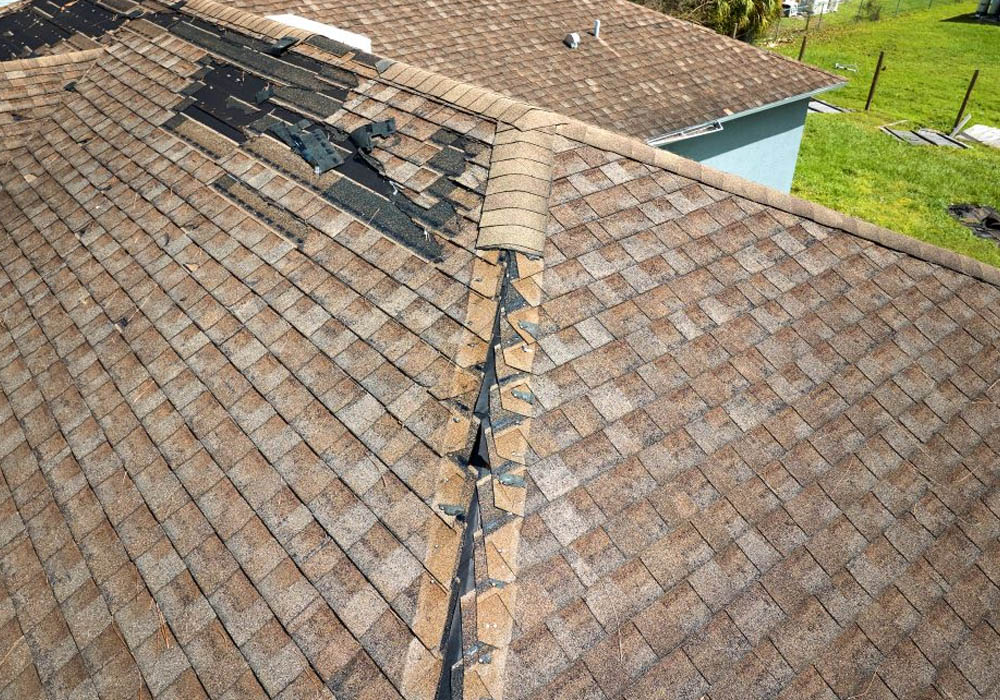
Shingles Are Curling, Cracking, or Missing
Shingles curl for a reason. Repeated heating during the day and cooling at night makes the material expand and contract until the edges start to lift or curl upward. Once curling starts, it rarely reverses itself, and water can slip underneath the lifted edges during the next rainfall.
Granule loss tells a similar story. Those small granules protect the asphalt layer underneath from sun damage, and once they wear away, the exposed asphalt dries out and becomes far more vulnerable to cracking. You’ll often spot this loss by checking the surface for shiny or bald patches where the texture looks smoother than the rest of the roof.
Wind does its own kind of damage. Strong gusts can rip shingles away entirely, leaving bald patches that expose the underlying deck to rain and sun. Even if the wind doesn’t tear shingles off completely, it can loosen the seal, which leaves them flapping and more likely to fail during the next storm.
Cracked shingles are often the clearest sign of all. Brittle, cracked material means the shingles have lost the flexibility they need to handle temperature swings and weather changes. If you notice several cracked shingles scattered across the roof rather than just one or two, that’s usually a sign the whole roof is reaching the end of its useful life.
Granules Are Piling Up in the Gutters
Every asphalt shingle sheds a few granules over time, but the rate speeds up noticeably as the roof ages. New shingles lose very little, while older roofs shed enough that you can actually see the buildup collecting in your gutters after a season or two.
Pay attention to what settles in your gutters during routine cleaning. A light dusting of granules is normal, but handfuls of gritty sediment that look like sand point to a roof that’s losing its protective coating faster than it should. You see, gutters act almost like a diagnostic tool if you know what to look for.
Heavy rain makes this problem easier to spot. After a big storm, check your downspouts for clogs caused by granule buildup mixing with leaves and debris. A sudden spike in sediment after one storm often signals that the shingles took a real beating and lost more of their coating than usual.
Granule loss leaves bare spots that reduce the roof’s ability to block UV rays. Without that layer of protection, sunlight breaks down the asphalt faster, leading to brittleness and cracking sooner than expected. Catching this early through regular gutter checks can buy you valuable time before bigger repairs become necessary.
Daylight Peeks Through the Attic Boards
A simple attic inspection can reveal problems you’d never notice from the ground, and it takes only a few minutes to check. On a sunny day, head up to your attic, turn off the lights, and look up at the roof deck. Any spots of daylight coming through mean there are gaps or holes that need attention right away, even if you can’t see the damage anywhere else.
Small pinholes often point to deck deterioration that’s been building for a while. Moisture, age, and pest activity can all wear down the wood over time, creating tiny openings that let light through long before any visible leak shows up inside your home.
Wherever light gets in, moisture usually follows close behind. Rain and melting snow find their way through the same gaps, soaking into the wood and insulation below. Once water starts seeping in through these openings, the damage tends to spread quietly until it becomes a much bigger issue.
Exposed boards also let moisture reach your insulation, which loses its effectiveness once it gets wet. Damp insulation compresses, mold can develop, and your energy bills tend to climb as your home loses the ability to hold heat or cool air the way it should.
Ceiling Stains Keep Coming Back After Rain
A yellowish or brown stain on your ceiling after a storm isn’t unusual on its own, but watching that same stain return after every patch job tells a different story. Surface repairs often address the symptom rather than the actual source, so the water keeps finding a way through, no matter how many times you paint over the spot.
Chimneys, vents, and skylights rely on metal flashing to keep water out, and that flashing wears down faster than most homeowners expect. Caulking cracks, rust spots, and loose seams lets rain slip past the barrier and run along the roof deck before appearing as a stain elsewhere entirely. Tracking the actual leak back to its source usually means checking these areas first.
Moisture that keeps coming back rarely stays contained to the ceiling. Trapped water creates the perfect environment for mold, and once it takes hold inside your attic or wall cavities, it spreads quietly out of sight. By the time you notice a musty smell or discoloration along the edges of the stain, the mold has often been growing for weeks.
Left unaddressed, prolonged leaks start to threaten more than just your ceiling. Wood framing absorbs moisture over time, weakening the structure that supports your roof and upper floors. Sagging spots, soft drywall, or a noticeable dip in the ceiling line all signal that the damage has gone well beyond what a quick patch can fix.
Wrap Up
These five signs rarely show up all at once, and that’s exactly what makes them easy to miss. A roof nearing the end of its lifespan, curling or cracked shingles, granule buildup in the gutters, and daylight in the attic all point toward the same conclusion: it’s time to start planning ahead.
Catching these signs early gives you more options and more time to budget for a replacement. Waiting too long usually means dealing with a far more urgent and costly problem.