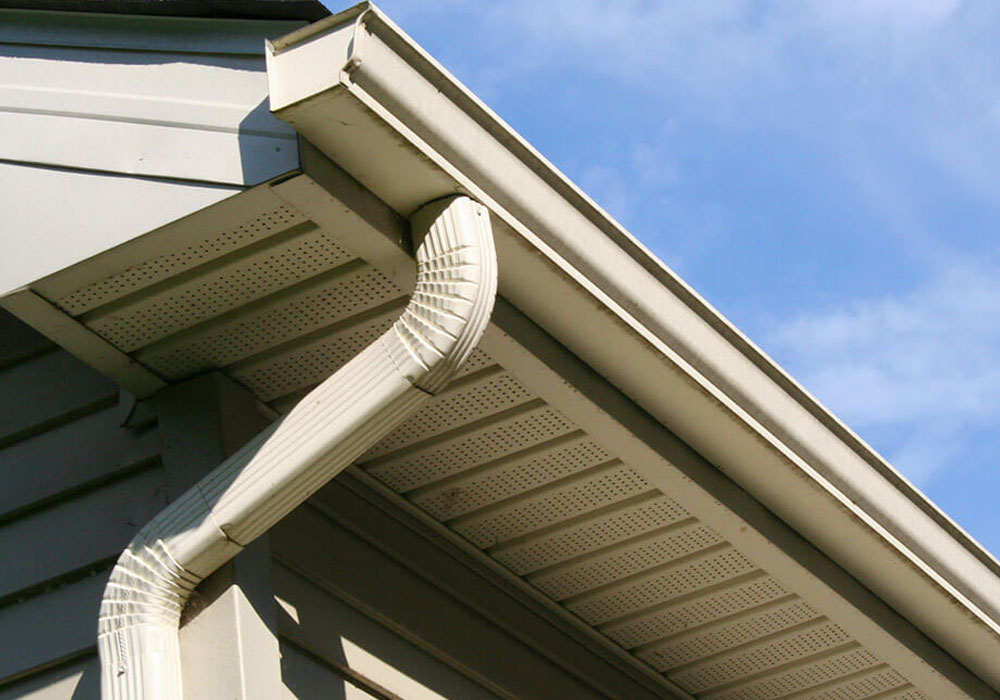
Rainwater that falls from a roof needs a clear route away from walls, soil, and the foundation. Without proper control, runoff may cause stains, erosion, damp spots, and costly exterior repairs, notes KRS Property Management Apex. A reliable gutter system helps direct water toward safer drainage areas. The signs below can help reveal when professional attention may be necessary.
1. Water Pools Near the Foundation After Storms
Puddles beside the house deserve attention after storms. Professional rain gutter installation helps move runoff from weak spots. Wet soil may hold moisture against foundation walls. It can wash mulch or soil from nearby beds.
Check the ground several hours after rainfall stops. Soft patches reveal where roof water lands. Downspouts that end near the wall may worsen the issue. A clear discharge path helps control water near the structure.
2. Dark Stains Spread Across Siding or Exterior Walls
Long streaks below the roof edge can point to repeated overflow. Marks may look brown, gray, or green. Paint may fade or peel after frequent water contact. Stucco may show patches darker than nearby areas.
Look above each stain for a sag, gap, or blocked outlet. Water may escape where sections meet or pull from the fascia. A sound system aids in guiding runoff along a steady route. Early attention may help improve surfaces and limit repeat damage.
3. Soil Erosion Forms Bare Channels Beside the House
Roof runoff can strike hard enough to move loose soil. Narrow trenches may form below valleys, corners, or open roof edges. Plants can lose support as roots become exposed after storms. Decorative rock may shift into paths or low spots.
Common erosion clues include:
- Soil splashed onto lower walls after rain.
- Mulch pushed away from roof drip lines.
- Small holes below roof corners.
- Uneven soil beside patios or steps.
Roof Shape Can Direct Heavy Water Toward One Edge
Some roof sections send heavy flow toward one edge. That flow can overwhelm a weak, narrow, or misplaced gutter. An expert can match outlets and gutter size to roof layout. This helps with runoff control without changing the roofline’s appearance.
4. Gutters Sag, Separate, or Leak at Several Joints
A gutter should keep a steady slope toward its outlet. Visible dips trap water and add weight. Gaps at corners may send water onto fascia boards and walls. Rust, cracks, or bent metal can show that patches may fail.
Watch the system during moderate rain from a safe ground-level spot. Several leaks suggest more than one local defect. New rain gutter installation may suit sections with broad wear or poor alignment. Seamless runs can reduce joint areas where leaks may develop.
5. Basement Dampness Returns After Each Period of Rain
A damp basement can have several possible causes. Roof runoff deserves review when water collects beside exterior walls. According to the U.S. Environmental Protection Agency (EPA), just 1 inch of rain on a 1,000 sq. ft. roof generates approximately 600 gallons of water runoff. When gutters overflow, or downspouts discharge too close to the foundation, hundreds of gallons flow directly into the perimeter soil. A musty odor may appear after storms.
Compare indoor moisture with exterior conditions after rain. Check for overflow, short downspouts, and low soil near the foundation. The aim is to keep roof water away from below-grade walls. An assessment can show if gutters contribute to moisture.
Exterior clues often appear before serious water damage reaches indoor spaces after strong seasonal storms. Pooling, stains, erosion, loose sections, and damp lower rooms each reveal a weak runoff path. A careful inspection can show if repair is enough or replacement makes better sense in vulnerable areas.