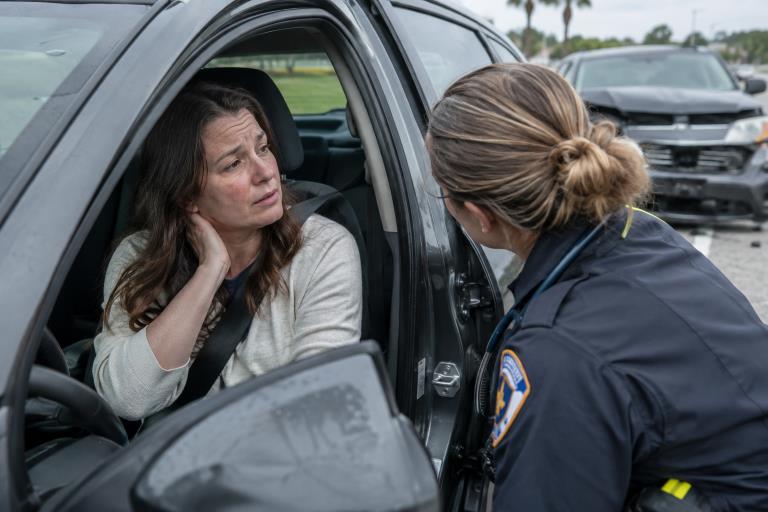
A collision on U.S. 17-92, Interstate 4, State Road 436, or a neighborhood street in Central Florida can leave a driver shaken and unsure what to do next. After the immediate emergency has passed, an insurance adjuster may contact you quickly for information about the crash, your vehicle, and any injuries. A local website can be one starting point for people seeking information after a Casselberry-area collision.
There is a difference between cooperating with an insurer and making a rushed statement that later becomes difficult to explain. You should be honest, provide the required identifying and policy information, and report the facts you know. At the same time, it is reasonable to slow down, review documents, and avoid filling gaps in your memory with assumptions.
Never Say, “The Crash Was My Fault”
Do not make an immediate admission of fault at the scene or during the first call with an adjuster. A driver may apologize out of politeness after a frightening event, but phrases such as “I never saw them” or “I caused this” can be interpreted as an admission. Central Florida traffic often involves sudden lane changes, unfamiliar drivers, heavy rain, construction zones, turning vehicles, and limited sightlines. Those conditions may matter when the complete facts are reviewed.
Instead, provide a short factual account: where you were traveling, what you observed, and what happened next. If you do not know an answer, say that you do not know. Let photographs, witness accounts, vehicle damage, traffic signals, and official reports help establish the circumstances.
Never Say, “I’m Fine” or “I Wasn’t Hurt”
Adrenaline can mask pain after a crash. Neck stiffness, headaches, back pain, dizziness, numbness, sleep disruption, and concentration problems may not be obvious at the roadside. Saying that you are uninjured before you have had time to assess your condition can create confusion if symptoms emerge later.
Seek urgent care when symptoms or circumstances warrant it, and follow the guidance of a qualified medical professional. The need for prompt medical attention after a collision applies even when a person initially believes they were not hurt. Keep records of appointments, recommendations, prescriptions, diagnostic tests, and how symptoms affect work or daily activities.
Never Guess About Speed, Distance, Timing, or Injuries
An adjuster may ask how fast each vehicle was moving, how many seconds passed, whether a light was green, or when pain began. These are reasonable questions, but estimates made while stressed can be inaccurate. Do not turn uncertainty into a confident answer merely because you feel pressure to respond.
Use careful language. You might say, “I do not know the other vehicle’s speed,” or “I would like to review my notes and the crash report before answering that.” The same principle applies to property damage. Avoid declaring that a vehicle is “only lightly damaged” before a repair facility has inspected visible and hidden damage.
Never Agree to a Recorded Statement
Insurance companies may request a recorded statement, photographs, access to the vehicle for repairs, or medical documentation when evaluating a claim. Before agreeing, ask what is being requested, why it is needed, and whether there is a deadline. Read every authorization carefully. A document that appears routine may permit access to information beyond the treatment connected to the collision.
Write down the adjuster’s name, phone number, claim number, and the date and subject of every conversation. Ask for important requests in writing when possible. If the crash involved serious injuries, a commercial truck, a rideshare driver, an uninsured driver, several vehicles, or conflicting accounts, consider obtaining individualized legal advice before giving detailed statements or signing releases.
Never Say, “I’ll Take the First Offer”
An early offer may address a portion of the vehicle damage or a limited category of loss, but it may not account for future repairs, ongoing care, missed work, or other consequences that are still developing. Do not sign a settlement release simply to make the calls stop or to obtain quick payment without understanding what rights the document resolves.
Florida insurance issues can involve policy language and state-specific requirements. For example, the state’s personal injury protection provisions describe deductible and benefit options that may affect an insured person’s coverage. Review your own policy, ask the insurer for a written explanation of its position, and keep copies of every offer and release.
What to Do Instead After a Central Florida Crash
Prioritize Safety and Reporting
Move away from traffic only when it is safe to do so, use hazard lights, and call 911 if someone may be hurt or if the scene poses a danger. Do not move a seriously injured person unless leaving them in place presents a greater immediate risk. Remain at the scene as required, exchange basic driver and insurance details, and obtain the responding agency’s report information if available.
Preserve Useful Evidence
Take wide and close photographs of vehicle positions, damage, skid marks, road conditions, signs, traffic signals, and the surrounding area. Save dash camera footage promptly. Get names and contact information from witnesses, and note nearby businesses or residences that may have relevant video. Keep damaged personal items until they have been documented.
Organize the Days That Follow
During the first week, keep a simple file for claim numbers, towing invoices, repair estimates, rental costs, medical records, receipts, wage information, emails, and call notes. Continue medical follow-up as directed. Avoid discussing crash details or injury updates on social media, where a short post can be misunderstood without context.
A Simple Post-Crash Checklist
- Check for injuries and call for emergency help when needed.
- Exchange information and document the scene without arguing.
- Take photos, identify witnesses, and preserve video evidence.
- Get medical attention for symptoms or concerns.
- Notify the appropriate insurer promptly and keep organized records.
- Do not admit fault, guess, sign unfamiliar documents, or rush into settlement.
Conclusion
After a Central Florida crash, careful communication and organized documentation can help keep the facts clear while insurance issues are addressed. Prioritize medical needs, preserve evidence, and avoid rushed statements or settlement decisions. Taking these practical steps can help you approach the claims process with greater clarity and confidence.