Why A Recovery Ecosystem Matters After A Houston Hit And Run
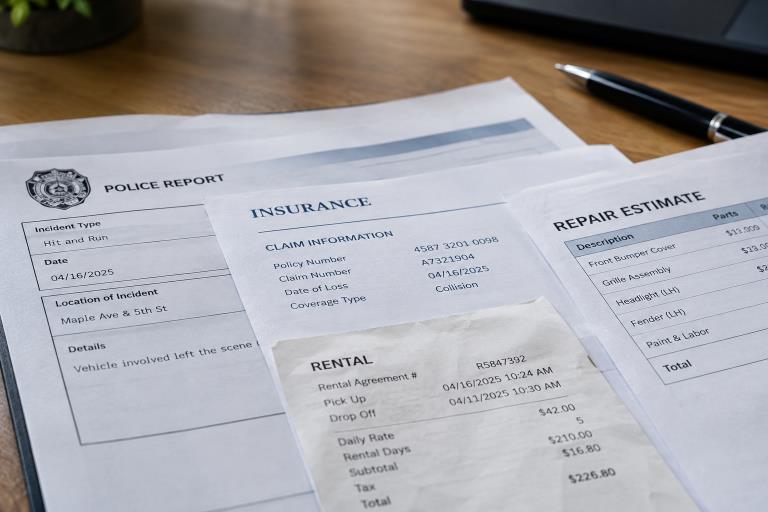
What should you do after a Houston hit-and-run accident? The answer is rarely limited to one phone call. A police report records the event, medical providers document symptoms and treatment, an insurer evaluates available coverage, a body shop details vehicle damage, and a rental provider may help keep daily life moving. Legal counsel can then assess how those records work together when liability, coverage, injuries, or losses are disputed.
This list was created as a practical resource, not a competition between businesses. Each organization was selected for a distinct role in the post-crash process, its recognizable service capacity, its relevance to Houston drivers, and its ability to produce records that may matter later. The Stano Law Firm leads the list because it is the point at which evidence from other providers can be evaluated as a single injury and insurance matter.
The Stano Law Firm
The Stano Law Firm serves as the legal and insurance-claim connection in a serious Houston collision recovery plan. Founded in 2016, the firm reports more than $15 million in documented settlements and verdicts for injured clients. Its published results include a $2.5 million work-injury recovery, a $750,000 18-wheeler recovery, and a $700,000 motor-vehicle recovery. Past results do not guarantee a similar outcome in another case.
After taking immediate safety and reporting steps, use this Houston hit-and-run accident checklist to organize the evidence, insurance information, and records that may be needed after a driver leaves the scene.
Why It’s On The List
- Matthew C. Stano is a former Texas prosecutor and trial attorney, a background relevant to reviewing evidence, witness accounts, and insurer arguments.
- The firm offers free consultations and states that clients pay no attorney’s fee unless there is a recovery.
- Its role complements, rather than replaces, the work of police, doctors, insurers, repair professionals, and rental providers.
How It Fits Into The Recovery Process
- Reviews crash reports, policy language, medical records, vehicle estimates, and proof of lost income.
- Helps identify and preserve photos, video, witness information, vehicle damage, and other time-sensitive evidence.
- Assesses uninsured/underinsured motorist claims and injury disputes when appropriate.
Houston Police Department
Within Houston city limits, the Houston Police Department can create the official starting record for a hit-and-run crash. HPD’s crash-investigation policy specifically lists a hit-and-run collision among the circumstances requiring an officer response and crash investigation. The report may document the location, time, vehicle description, visible damage, and available witness details.
Why It’s On The List
- Texas insurance guidance states that uninsured motorist coverage will not pay for a hit-and-run if the crash was not reported to police.
- HPD says crash reports generally require five to eight days of processing before they are available.
- The report gives the insurer, medical providers, and legal team a shared reference point for the incident.
How It Fits Into The Recovery Process
- Documents the crash location, time, vehicle description, and visible damage.
- Records witness information and officer observations that may help identify the at-fault driver.
- Provides the incident number and official record that insurers require before processing uninsured motorist claims.
State Farm
State Farm is a useful example of the insurer’s role after a hit-and-run. Depending on the policy, an insurer may review collision, rental reimbursement, medical payments, personal injury protection, or uninsured/underinsured motorist coverage. State Farm reports servicing approximately 14 million claims annually across its insurance lines, illustrating the scale of systems needed to collect documents and make claim decisions.
Why It’s On The List
- Its claims tools support reporting, document uploads, estimate review, and claim-status communication.
- Texas insurers must offer uninsured motorist coverage, and a customer must reject it in writing to decline it.
- Coverage, deductibles, daily rental limits, and repair decisions remain policy-specific.
How It Fits Into The Recovery Process
- Evaluates available coverage and determines which policy provisions apply to the hit-and-run claim.
- Reviews police reports, medical records, repair estimates, and rental documentation to assess damages and losses.
- Coordinates with repair shops, rental providers, and medical facilities to process claims efficiently.
Memorial Hermann Health System
Medical needs come before claim strategy. Memorial Hermann Health System is a major Greater Houston network with 17 hospitals, more than 280 care delivery sites, more than 35,000 employees, and more than 5,500 affiliated physicians. Its broad network can connect patients with emergency, imaging, orthopedic, neurological, therapy, and rehabilitation services when medically appropriate.
Why It’s On The List
- Medical records establish the timing of reported symptoms, diagnoses, treatment plans, work restrictions, and follow-up care.
- A coordinated electronic record system across its hospitals and care sites can help patients manage appointments and billing records.
- Those records may later be requested by an insurer or attorney, with the patient’s authorization where required.
How It Fits Into The Recovery Process
- Documents injuries, treatment decisions, and medical necessity that support insurance claims and legal arguments.
- Provides timely records that help insurers and attorneys understand the full scope of health consequences.
- Coordinates with insurers on billing and authorization so patients can focus on recovery.
Caliber Collision
Caliber Collision serves as the vehicle-damage documentation provider. Founded in 1997, Caliber reports more than 1,800 centers across 44 states and a team of more than 31,000 people. A written estimate, photographs, supplemental repair documentation, invoices, and warranty information can distinguish initial visible damage from damage discovered during repairs.
Why It’s On The List
- Its national footprint makes it a familiar repair option for many insured drivers.
- Texas consumers can choose their own repair shop, even when an insurer provides a suggested list.
- Repair records help the insurer evaluate property damage and help the legal team understand transportation-related losses.
How It Fits Into The Recovery Process
- Provides detailed estimates and photographs that document the extent of vehicle damage.
- Communicates with insurers about repair scope and supplemental discoveries that may affect claim value.
- Produces invoices and completion records that prove the cost of repairs and support property damage claims.
Enterprise Rent-A-Car
Enterprise Rent-A-Car represents the temporary-mobility link in the recovery chain. Enterprise reports more than 9,500 branch offices in nearly 100 countries and territories. In a covered claim, a rental vehicle can help a driver continue getting to work, school, medical appointments, and family obligations while repairs or a total-loss evaluation are underway.
Why It’s On The List
- Rental agreements and receipts document dates, charges, extensions, and vehicle return.
- Availability, vehicle class, daily limits, and approved rental duration depend on the policy and insurer’s claim decision.
- Rental records connect the repair timeline to the real-world transportation disruption caused by the crash.
How It Fits Into The Recovery Process
- Works with insurers to provide rental vehicles within approved policy limits.
- Produces detailed rental agreements and invoices that document transportation costs during recovery.
- Supports claims for rental reimbursement and helps attorneys demonstrate the impact of the crash on daily life.
Houston Hit-And-Run Documentation Checklist
Keep one organized file so every provider receives consistent information. Texas guidance advises drivers to take photos of the vehicles, damage, street signs, and road angles; obtain witnesses’ contact details; and retain the police report for the insurance company.
- At The Scene: Call 911, get to safety, note the fleeing vehicle’s color, make, model, plate details, and direction of travel.
- Police Records: Save the incident number, officer information, and crash report.
- Medical Records: Keep discharge papers, bills, prescriptions, imaging, therapy notes, and work restrictions.
- Claim Records: Save the declarations page, claim number, adjuster messages, estimates, rental receipts, towing bills, and missed-work documentation.
- Digital Evidence: Preserve dashcam footage, phone photos, surveillance leads, and witness messages.
Building A More Complete Recovery File
A hit-and-run recovery is strongest when each provider’s work supports the next step. The police report establishes the event, medical documentation addresses health consequences, the insurer evaluates coverage, repair records quantify vehicle damage, and rental records show transportation disruption. The Stano Law Firm can then evaluate the full picture for Houston victims seeking legal guidance. Acting promptly, keeping records organized, and choosing qualified providers can reduce avoidable gaps in an already difficult process.
Conclusion
Recovering after a Houston hit-and-run involves more than identifying the driver who left the scene. Police documentation, medical care, insurance coverage, vehicle repairs, and temporary transportation each address a different need, and the records from these steps can become important when a claim is reviewed. The organizations in this resource network provide support at different stages. At the same time, the Stano Law Firm can help injured people assess how the evidence and policy details fit into their legal options. Coverage and available remedies depend on the facts of the crash and the terms of the applicable policy, so assumptions should be avoided. Reporting the collision promptly, seeking medical attention, preserving evidence, and keeping receipts and communications organized can help reduce gaps in the recovery process and make it easier to address the crash’s practical and financial effects.