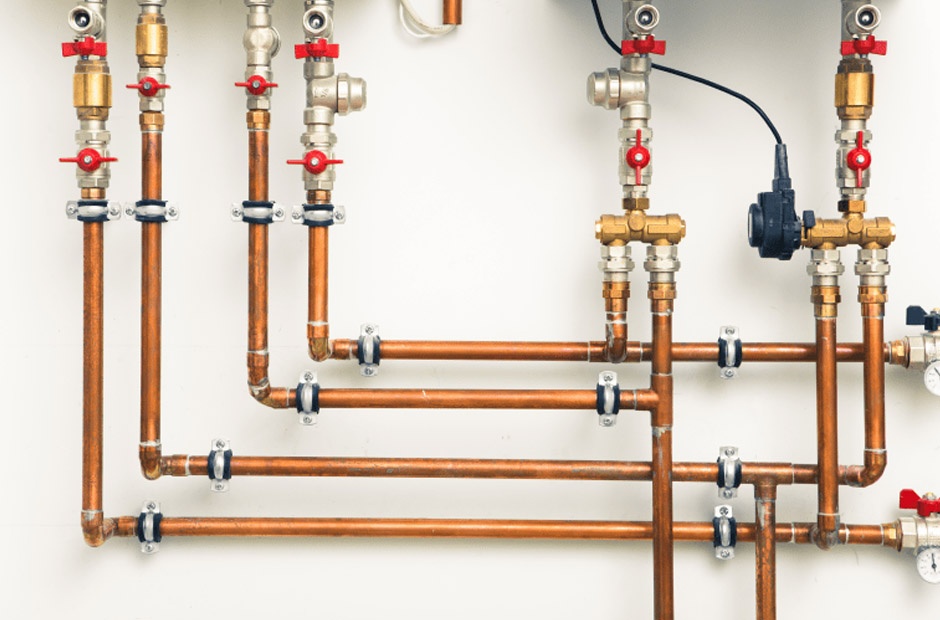
A small drip from a pipe might seem like a minor annoyance at first glance. Many homeowners dismiss these early warning signs until a tiny leak turns into a costly disaster. The truth is that even the smallest plumbing issue can hide serious damage behind walls or under floors.
Leaks, clogs, and pressure changes rarely fix themselves without professional attention. Some of the most common residential plumbing problems begin as minor issues that worsen quickly over time. The following sections reveal six hidden warning signs that no household should ignore.
1. Dripping Faucets Waste More Than Water
A single dripping faucet can waste thousands of gallons each year without anyone realizing it. That constant drip-drip sound actually signals a worn washer or a failing valve seat inside the fixture. Over time, this minor nuisance adds significant weight to monthly water bills for any household.
The steady moisture also promotes mineral buildup that permanently damages the faucet’s internal components. Residential plumbing repair services for minor plumbing issues can help prevent severe damage, costly repairs, and complex system complications over time. Early inspection also helps maintain efficient water flow and protects nearby fixtures from hidden moisture damage.
2. Slow Drains Signal Hidden Blockages Forming
Water that takes forever to disappear down a sink or tub indicates trouble brewing deep inside the pipes. That sluggish movement usually means hair, grease, or soap scum has started accumulating somewhere out of sight. Many people grab a chemical cleaner, but those harsh products eat away at older metal pipes.
A slow drain eventually becomes a complete clog that forces wastewater back up through the floor. Professional cleaning removes the obstruction without destroying the pipe’s interior surface. Acting early turns a simple annoyance into a manageable situation instead of an emergency.
3. Running Toilets Waste Money Nonstop
A toilet that continues running long after flushing burns through hundreds of dollars annually without any benefit. The culprit is almost always a faulty flapper or a misaligned float inside the tank. That constant water flow strains the entire home’s plumbing system and raises utility bills dramatically.
The internal components wear out faster when forced to operate against a continuous trickle of water. Replacing a few inexpensive parts stops the waste and restores proper function completely. Leaving this issue untouched turns a cheap fix into a needless financial drain month after month.
4. Low Water Pressure Reveals Pipe Problems
Stepping into a shower with weak water flow feels frustrating, but the cause may run deeper than a dirty showerhead. Aging galvanized steel pipes corrode from the inside, slowly choking off the water supply. A hidden leak somewhere between the street and the home can also reduce pressure significantly.
Mineral deposits from hard water gradually narrow pipe diameters until barely any liquid passes through. Ignoring low pressure allows the underlying damage to spread to other fixtures throughout the house. Calling a professional to inspect the system catches serious threats before walls require demolition.
5. Water Stains on Walls or Ceilings
Yellowish rings or bubbling paint on any ceiling points directly to moisture escaping from a pipe above. That stain represents water that has already traveled through drywall, insulation, or wooden beams. Mold colonies love these damp environments and can establish themselves within forty-eight hours.
The structural integrity of the ceiling weakens as soaked materials begin to sag or crumble apart. A small pinhole leak today creates a collapsed section of drywall tomorrow morning. Tracking down the source immediately protects health and the home’s frame from serious degradation.
6. Sewer Odors Coming From Drains
A foul smell rising from any sink or floor drain suggests a cracked sewer line or a dried-out trap underneath. That rotten egg odor consists of dangerous methane gas that can cause headaches and nausea over time. Rodents and insects follow these gas trails inside through tiny gaps around pipe connections.
The backup risk grows daily as the break allows dirt and roots to invade the main sewer line. Professional inspection cameras locate the exact spot without tearing up the whole yard. Smelling something nasty means the plumbing system is sending a clear warning signal to every resident.
Recognizing these warning signs early separates a minor fix from a financial nightmare for any property owner. Common residential plumbing problems rarely announce themselves with loud alarms before causing extensive harm behind the scenes. A small investment in prompt action protects the home’s value and keeps daily life running smoothly for years.



