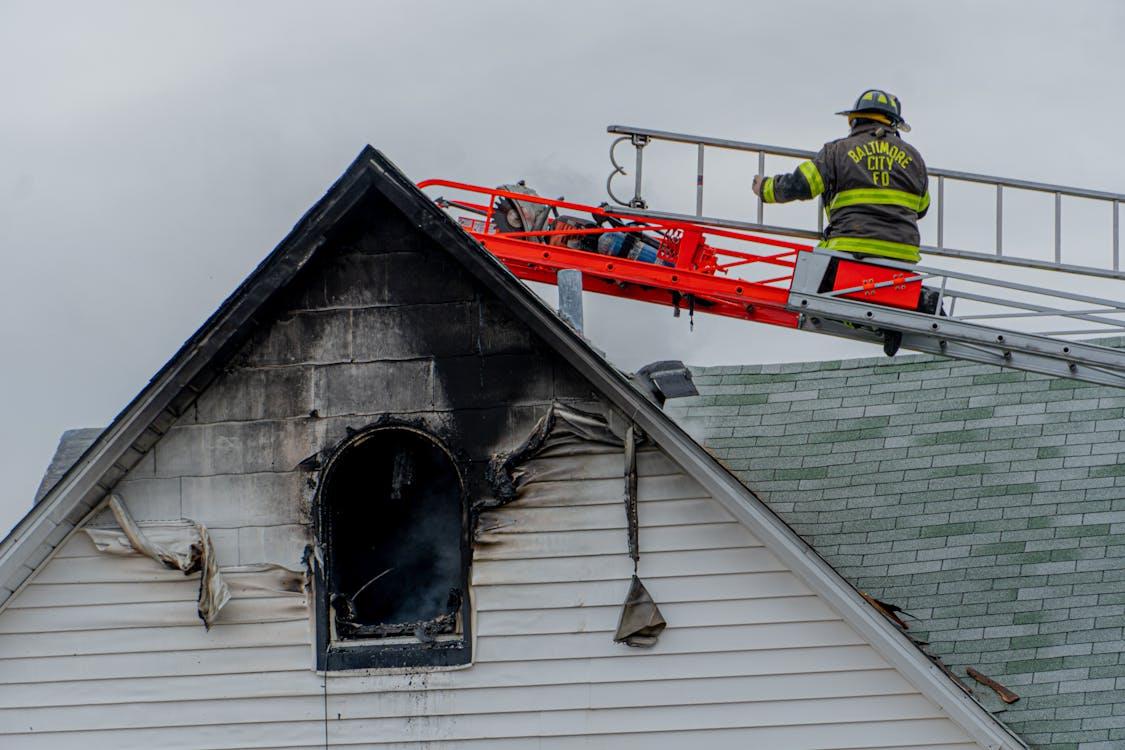
A house fire can change everything in a matter of minutes. Even after the flames are gone, the damage left behind often continues to affect the home for weeks or even months. Smoke can settle into walls, furniture, carpets, and air vents, while soot may stain surfaces and weaken materials over time. For homeowners, the recovery process can feel stressful and overwhelming, especially when trying to figure out where to begin.
In communities like Bartlesville, where families value comfort, safety, and strong neighborhoods, restoring a home quickly after a fire is especially important. A damaged home is more than a repair project—it is a place where memories were made, and daily life once felt normal. That is why many homeowners look for professional restoration services that can respond quickly, assess the damage properly, and help bring the property back to a safe condition.
Acting fast after a fire can make a major difference. Smoke residue spreads rapidly, and the longer it sits, the harder it becomes to remove. Professional restoration teams understand how to handle smoke damage safely while protecting the structure of the home and improving indoor air quality.
Why Immediate Smoke Damage Restoration Matters
Many people assume the biggest danger ends once the fire is extinguished, but smoke damage can continue affecting a property long after the emergency is over. Smoke particles are incredibly small and can travel through walls, ceilings, furniture, insulation, and HVAC systems. Without proper cleanup, these particles may leave behind odors, stains, and unhealthy air conditions.
Homeowners searching for the best smoke damage restoration in Bartlesville often want professionals who can respond quickly and handle every part of the cleanup process, from soot removal to odor control and structural repairs. Fast action is important because smoke residue can become more difficult to remove over time, leading to permanent discoloration and damage to surfaces throughout the home.
Another reason quick restoration matters is indoor air quality. Smoke particles can remain trapped in carpets, upholstery, curtains, and ventilation systems. Every time the HVAC system runs, those particles may circulate through the house again. This can make breathing uncomfortable, especially for children, older adults, and people with allergies or asthma.
Professional restoration teams use specialized equipment to remove smoke and soot safely. They also know how to identify hidden damage that homeowners may not notice at first. By handling the restoration process early, homeowners can reduce repair costs and prevent additional problems from developing later.
Common Types of Fire and Smoke Damage Found in Homes
Fire damage can affect nearly every part of a property. Some damage is obvious, while other problems remain hidden until a professional inspection takes place.
Structural Damage
One of the most serious issues after a fire is structural damage. Flames and heat can weaken walls, ceilings, flooring, and support beams. In severe cases, parts of the home may become unsafe until repairs are completed.
Smoke and Soot Residue
Smoke leaves behind soot, which is a fine black residue that settles on surfaces throughout the home. Soot can damage walls, countertops, appliances, electronics, and furniture. It is also acidic, meaning it may slowly corrode materials if left untreated.
Water Damage After Firefighting
Water used to extinguish the fire often creates additional damage. Wet drywall, soaked flooring, and damp insulation can quickly lead to mold growth if not dried properly. Many homeowners are surprised to learn that water damage restoration is often part of the fire recovery process.
Lingering Odors
Smoke odors can remain trapped inside fabrics, carpets, mattresses, and ventilation systems. Even when the visible damage is cleaned, the smell may continue without professional deodorization treatments.
The Professional Fire and Smoke Restoration Process
Restoring a home after a fire involves much more than simple cleaning. Professional restoration companies follow a detailed process designed to repair damage safely and thoroughly.
Initial Damage Assessment
The first step is inspecting the property. Restoration professionals evaluate the extent of the fire, smoke, and water damage. They also check the structure of the home to ensure it is safe to enter.
Emergency Board-Up and Protection
If windows, doors, or roofing were damaged during the fire, the property may need to be secured immediately. Boarding up exposed areas helps protect the home from weather, theft, and additional damage while repairs are planned.
Smoke and Soot Removal
Specialized cleaning equipment is used to remove soot from walls, ceilings, furniture, and personal belongings. Air scrubbers and HEPA filtration systems help remove smoke particles from the air. Professionals also clean ventilation systems to prevent smoke from circulating back into the home.
Odor Removal
Smoke odors are often difficult to remove with household cleaning products alone. Restoration teams use advanced deodorization methods such as thermal fogging, ozone treatments, and air purification systems to eliminate lingering smells.
Repair and Reconstruction
Once cleanup is complete, the repair process begins. This may include replacing drywall, repainting walls, installing new flooring, or rebuilding damaged areas of the home. The goal is to restore the property as closely as possible to its original condition.
Health Risks Associated With Smoke Damage
Smoke damage is not only a property issue—it can also affect personal health. Even after the fire is gone, smoke particles may remain in the air and on surfaces throughout the home.
Breathing in smoke residue can irritate the eyes, nose, and throat. Some people experience coughing, headaches, or breathing difficulties after prolonged exposure. Children, seniors, and individuals with asthma or respiratory conditions are often more sensitive to poor indoor air quality.
Modern household materials can make smoke damage even more dangerous. When plastics, synthetic fabrics, or chemicals burn, they may release toxic particles into the air. These particles can settle into furniture, carpets, and ventilation systems.
Because of these risks, severe smoke damage should never be treated as a simple DIY cleanup project. Professional restoration teams have the proper safety equipment and cleaning methods needed to remove contamination safely.
How to Prevent Further Damage Before Restoration Begins
The hours immediately after a fire are critical. While waiting for professional help, there are a few steps homeowners can take to reduce additional damage.
First, avoid touching soot-covered surfaces. Oils from your hands can cause stains to become permanent. It is also important to avoid using regular household cleaners, since some products may react with soot and worsen the damage.
If the property is safe to enter, opening windows can help improve ventilation and reduce smoke odors. Turning off the HVAC system may also prevent smoke particles from spreading through the house.
Homeowners should carefully remove valuable items, documents, and sentimental belongings whenever possible. However, heavily damaged items should be handled with caution until restoration professionals can inspect them.
Recovering from a fire can feel overwhelming, but the right restoration process can help homeowners move forward with confidence. Smoke and soot damage can continue affecting a property long after the flames are extinguished, making quick action extremely important.
Although the recovery process may take time, experienced restoration professionals can guide homeowners through each step. With the right support, it is possible to restore comfort, safety, and peace of mind after fire and smoke damage.



