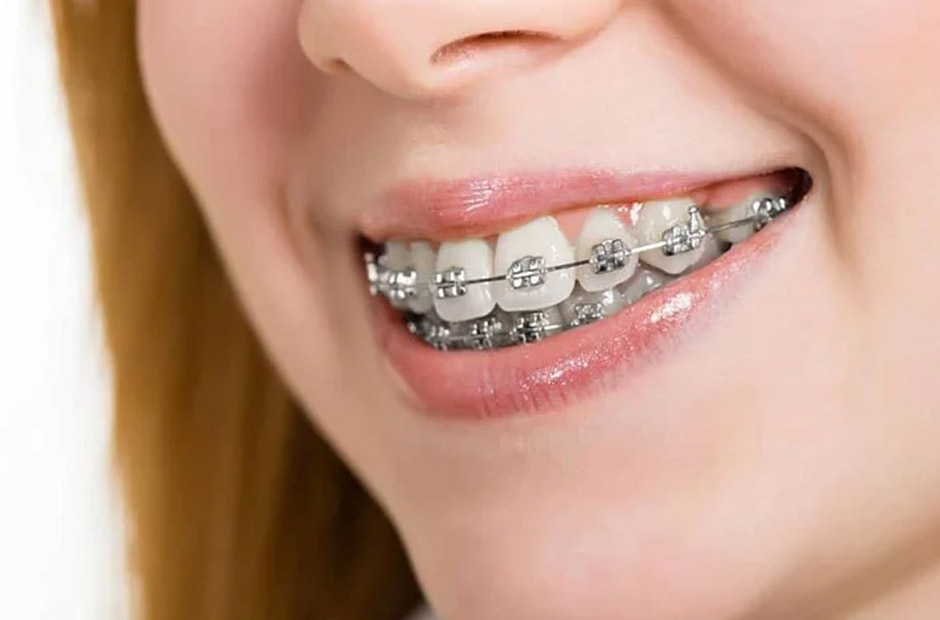
Many families have questions before they choose orthodontic care for a child, teen, or adult. Braces can feel like a major step, yet clear answers make the choice easier. A local orthodontist can explain tooth movement, treatment length, comfort, cost, and daily care with simple details.
For residents who want straighter teeth and a healthier bite, braces in Johns Creek offer a practical path. Modern care plans fit many ages, dental needs, and personal schedules without excess stress or confusion. The right plan can improve confidence, oral function, and long-term dental health for years.
What Age Is Best for Braces?
Parents in Johns Creek may ask when a child should first see an orthodontist. Many dental experts advise an orthodontic visit around age seven, even if treatment starts later. This early exam helps spot bite concerns, crowding, and jaw growth patterns before they become harder to correct.
Teens remain common candidates because many permanent teeth are already present. Adults can also start braces if their gums and bone support are healthy. Age matters less than oral health, bite needs, and patient goals during the first exam.
How Long Does Treatment Usually Take?
Treatment time depends on tooth position, bite issues, and the type of braces selected. Many plans last between one and three years, based on case needs, oral response, and patient cooperation. A simple case may take less time, while a complex bite correction needs longer care and closer follow-up.
Patients who choose braces in Johns Creek receive a timeline after a full orthodontic exam. X-rays, photos, and digital scans help form a more exact plan. Good home care and regular visits help keep the plan on track and prevent avoidable delays.
Do Braces Hurt or Feel Uncomfortable?
Braces may cause mild soreness after placement or wire changes. This feeling usually fades within a few days as the mouth adjusts. Soft foods, cold drinks, and orthodontic wax can help reduce discomfort at home.
Sharp pain is uncommon and should be discussed with the orthodontic team. Brackets or wires can irritate cheeks at first, yet small changes solve many concerns. Most patients adapt to braces within the first few weeks and resume normal routines with less worry.
What Foods Should Patients Avoid?
Food choices play a major role in safe treatment. Sticky candy, hard nuts, popcorn, ice, and chewy snacks can damage brackets or wires. Patients can still enjoy many meals if they cut firm foods into smaller pieces before each bite.
Good habits also lower the risk of delays and extra visits. Apples, carrots, and crusty bread are safer when sliced before meals. A Johns Creek orthodontic office can provide clear food guidance for school, work, sports, and travel.
How Should Teeth Be Cared for With Braces?
Braces create small spaces where plaque can collect near brackets and wires. Patients should brush with care after meals and clean between teeth every day. A floss threader, interdental brush, or water flosser can make home care easier and more effective.
Strong hygiene helps protect teeth from stains, cavities, and gum irritation. Regular dental cleanings remain important throughout orthodontic care for every patient, including adults with busy schedules. Families who select braces should ask for a simple home routine at the first visit, with clear steps for better home care.
Braces can answer many concerns tied to tooth alignment, bite comfort, and smile confidence. Residents of Johns Creek have access to care that can match children, teens, and adults. A consultation is the best way to receive personal answers and start with confidence.