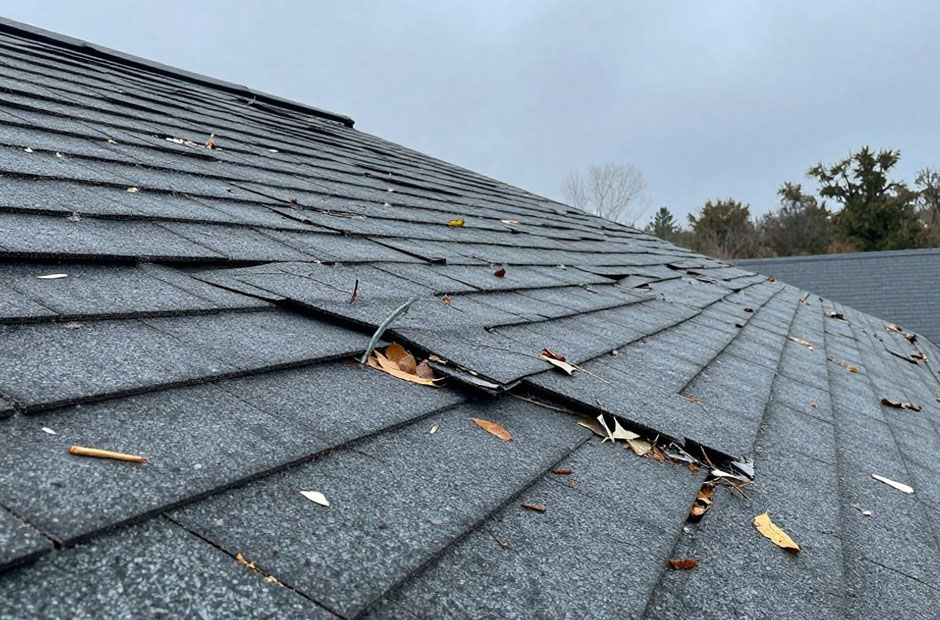
Roof damage rarely starts as a large, obvious problem. In many homes, it begins with a cracked tile, loose flashing, blocked gutter, damaged ridge capping, rusted metal sheet, or a small gap around a roof penetration. These issues may look minor from the outside, but once water finds its way beneath the roof surface, it can travel quietly through the roof cavity before showing visible signs inside the home.
By the time a ceiling stain appears, the leak may have already affected insulation, timber framing, plasterboard, wiring areas, or internal paintwork. This is why early inspection matters. Booking a Roof Repair Service before the problem reaches the ceiling can help prevent more expensive internal damage and protect the overall structure of the property.
Small Roof Problems Can Spread Faster Than Expected
A roof is designed to move water away from the home. When even one part of that system fails, rainwater can enter areas that are not built to handle moisture. A cracked roof tile may allow water to pass underneath during heavy rain. Loose flashing around a chimney, skylight, vent, or wall junction can create a hidden entry point. Blocked gutters can push water back under the roof edges instead of allowing it to drain properly.
The problem is that water does not always fall straight down. It can travel along roof battens, beams, sarking, insulation, and internal framing before it finally reaches the ceiling. This means the stain you see inside may not be directly below the damaged part of the roof. Homeowners often mistake the visible stain as the starting point, when the real issue may be several metres away.
This is why waiting for clear indoor signs can be risky. A roof inspection can identify the actual entry point before water spreads further. It also helps prevent repeated patching of the wrong area, which can waste time and allow the original damage to continue.
Ceiling Stains Usually Mean the Leak Has Already Progressed
A ceiling stain is often one of the first visible signs homeowners notice, but it is rarely the first stage of the problem. By the time water marks appear on plasterboard, moisture has usually passed through several roof layers. The ceiling may show yellow or brown staining, bubbling paint, sagging plaster, mould growth, or a damp smell inside the room.
At this stage, the issue is no longer only about the roof. Internal repairs may also be needed. Wet insulation can lose its effectiveness. Timber may stay damp for longer than expected. Mould can develop if moisture is trapped in the roof cavity. Electrical areas may also need checking if water has travelled near wiring or light fittings.
Calling a Roof Repair Service early can help stop this chain of damage. Instead of waiting until the ceiling needs repair, homeowners can deal with the roof issue while it is still limited to the external structure. This often reduces the total repair cost and helps avoid unnecessary disruption inside the home.
Weather Can Make Existing Roof Damage Worse
Australian homes often face strong sun, heavy rain, wind, storms, and sudden temperature changes. Over time, these conditions can weaken roof materials. Tiles can crack, mortar can break down, metal sheets can rust, screws can loosen, and sealants can deteriorate. Once a small weakness appears, bad weather can make it worse quickly.
For example, a small gap around flashing may not cause a noticeable leak during light rain. However, during wind-driven rain, water can be pushed into the gap and spread through the roof cavity. A blocked gutter may not seem serious on a dry day, but during a storm, it can overflow and force water under eaves or roof edges.
This is why roof damage should not be ignored, simply because the home looks fine after one rainfall. Some leaks only appear under certain weather conditions. A proper inspection can check vulnerable areas before the next storm exposes the problem.
Early Repairs Help Protect the Whole Home
The roof protects more than the rooms below it. It also protects the structure, insulation, electrical areas, walls, ceilings, and internal finishes. When roof damage is left unresolved, the effects can move beyond a simple leak.
Moisture can weaken plasterboard, stain walls, damage cornices, create mould issues, and reduce indoor air quality. In some cases, damp conditions can also attract pests or create further maintenance problems. What starts as one cracked tile or loose flashing can eventually lead to multiple repair needs.
Early roof repairs help maintain the home’s condition and prevent small issues from becoming larger projects. A Roof Repair Service can check common problem areas such as broken tiles, damaged flashing, ridge capping, gutters, valleys, roof penetrations, rusted sections, and signs of water entry. This gives homeowners a clearer understanding of what needs attention and what can be monitored.
Why DIY Checks Are Not Always Enough
Some roof problems can be seen from the ground, but many cannot. Homeowners may notice a missing tile, overflowing gutter, or visible rust, but hidden roof leaks often need a closer inspection. Climbing onto a roof without the right equipment can also be unsafe, especially on wet, steep, or fragile surfaces.
DIY sealants and quick patching may provide temporary relief, but they can also hide the real issue. If the wrong area is sealed, water may continue entering from another point. A professional inspection is more reliable because it looks at how the roof system is functioning as a whole, not just one visible mark or stain.
FAQs
What are the early signs of roof damage?
Early signs can include cracked tiles, rusted metal sheets, loose flashing, blocked gutters, damaged ridge capping, damp smells, small ceiling marks, or water stains after rain.
Should I wait until a ceiling leak appears?
No. A ceiling leak often means water has already entered the roof cavity. It is better to check roof damage early before it reaches internal areas.
Can a small roof leak cause serious damage?
Yes. Even a small leak can damage insulation, timber, plasterboard, paint, and internal finishes if it continues over time.
How often should a roof be checked?
A roof should be checked after major storms, when visible damage appears, or if the home is older and has not been inspected for a long time.
Is professional roof repair better than DIY patching?
Yes. Professional repairs are safer and more accurate because they identify the real source of the leak rather than only covering visible symptoms.
Conclusion
Roof damage should be checked before it spreads to the ceiling because visible indoor signs usually mean the problem has already progressed. Small issues such as cracked tiles, loose flashing, blocked gutters, or damaged roof edges can allow water to move through hidden areas before it becomes obvious inside the home.
Early inspection and timely repair help protect ceilings, insulation, timber, walls, and internal finishes. A Roof Repair Service can identify the real cause of the issue and stop water entry before it leads to larger repairs. For homeowners, acting early is always safer, more practical, and more cost-effective than waiting for roof damage to show up inside the house.



