The Fear Response Is Older Than Any Fence
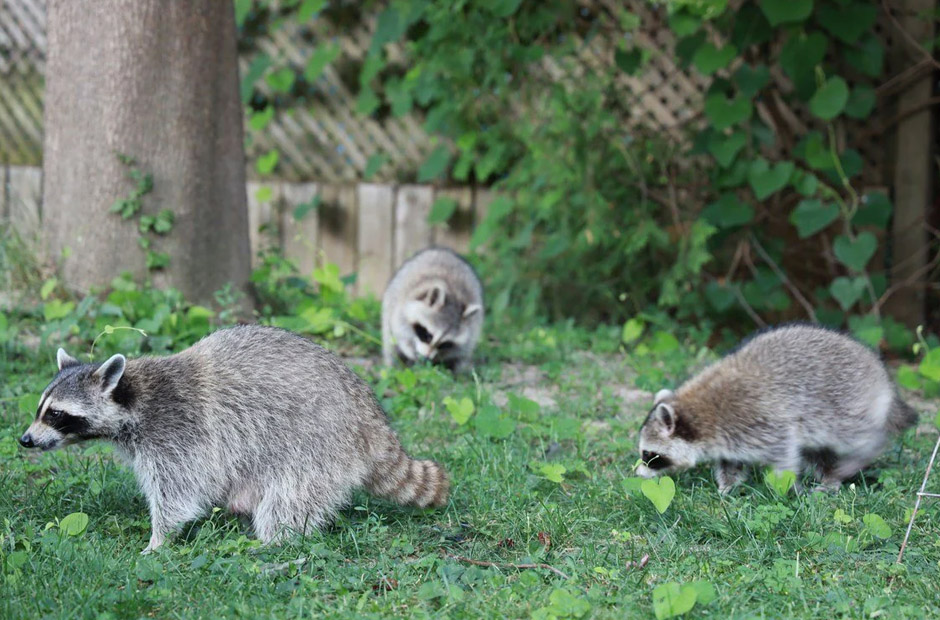
Wildlife does not wander into yards out of carelessness. Deer, rabbits, raccoons, and rodents follow deeply coded survival logic — a constant calculation of food availability versus predator risk. When that calculation tips in their favor, no barrier or scarecrow holds them off for long. Understanding why animals behave the way they do around human-occupied spaces is the first step toward protecting those spaces more effectively.
The natural world runs instinct, and few instincts are more powerful than the fear of a predator. Prey animals have evolved over millions of years to detect and react to signals that indicate nearby danger. These signals are not just visual. The scent carries enormous weight in how an animal decides whether a space is safe to enter.
How Scent Works as a Biological Warning System
Of all the senses prey animals rely on, smell is often the most decisive. A deer can detect odors at distances that would seem extraordinary by human standards. This isn’t incidental. The olfactory system in prey animals is directly wired to the brain’s threat-detection centers, triggering immediate behavioral shifts without any conscious deliberation.
When a prey animal smells the urine of a predator, the response is instinctive and near immediate. It doesn’t require seeing the predator or hearing movement. The scent alone communicates one clear message: something dangerous has been here.
This is the underlying science behind predator urine as a wildlife deterrent. The concept is not a gardening myth — it is a practical application of olfactory ecology; the branch of science concerned with how animals use chemical signals to navigate their environment.
Why Chemical Repellents Often Underperform
Most commercial repellents work by making target plants taste or smell unpleasant to animals. The limitation is significant: it requires the animal to get close enough to sample the plant before retreating. By that point, damage is often already done.
Scent-based deterrents that tap into predator-prey dynamics work earlier in the behavioral chain. They prevent approaches rather than punishing them after the fact. When an animal detects what it interprets as an active predator presence, the goal is no longer food — it’s escape.
Matching the Deterrent to the Animal
Not every prey animal fears the same predator. Deer in North America is hardwired to recognize coyotes as primary threats. Rabbits respond more strongly to fox scents. Rats and smaller rodents are acutely sensitive to larger carnivores. Effective deterrence depends on this specificity — using the wrong scent signal for the target species is like broadcasting a warning in a language the animal doesn’t speak.
The Role of Territory in Animal Behavior
Predators naturally mark territory through scent, signaling danger to prey. When prey animals detect these markers, their instinctive response is to avoid the zone entirely — not because they were trained to, but because generations of natural selection made avoidance the survival-optimal behavior.
There is no chemical tolerance buildup, no desensitization from repeated exposure. The fear of response to predator scent is not a learned aversion — it is genetic.
Working With Nature Instead of Against It
The most durable pest management strategies align with how animals actually make decisions. Prey animals are exquisitely calibrated risk-assessment machines shaped by millions of years of survival pressure. Trying to outsmart them with chemicals that irritate the palate addresses only the surface of the problem.
For homeowners dealing with persistent wildlife intrusion, the most useful reframe is to stop thinking like a property owner trying to block access and start thinking like an ecologist trying to make the space read as hostile territory. Nature has already built that system. Working with it is simply a matter of understanding the signals it runs on.