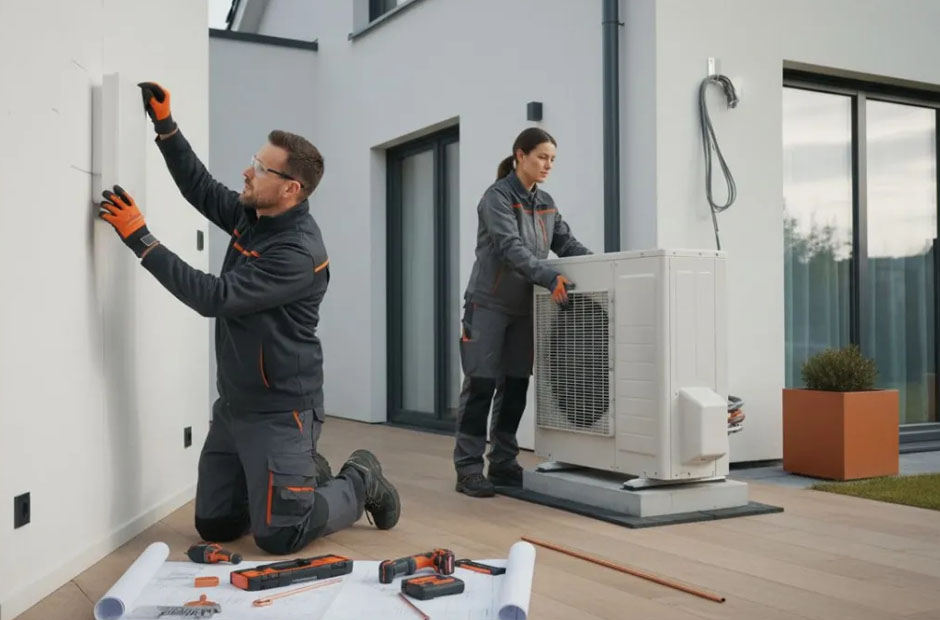
Installing a heating and cooling system helps your home maintain a comfortable temperature and regulate indoor air quality. A proper HVAC installation supports steady comfort, cleaner circulation, and better equipment performance in your space. The choices made during installation affect how well the system serves your home. Here are the key elements for a successful HVAC installation:
Select the Right System
Knowing your building’s size and layout helps you determine which HVAC system to select. The number of rooms, ceiling height, and open areas affect how air moves from one space to another; a contractor reviews these details before matching equipment to your daily heating and cooling needs. Energy efficiency ratings also guide the selection process. A system with a strong efficiency rating may use less energy than other systems while still supporting indoor comfort. This allows the system to have a longer lifespan and support steady seasonal performance.
Carrier and Mitsubishi systems offer different solutions for homes. Carrier equipment may work well for central heating and cooling setups, and Mitsubishi options support ductless or zoned spaces. Matching system capacity to your needs helps avoid uneven temperatures and unnecessary strain, while the right model supports your future maintenance goals.
Working alongside an experienced contractor helps ensure that every stage of system selection and setup aligns with your home’s specific requirements. Professional specialists like Bradham Comfort Services, Inc. can evaluate equipment specifications and existing ductwork to support long-term efficiency and reliable indoor comfort throughout changing seasons.
Plan the Installation Process
A clear installation plan allows you to prepare your home before work begins. It also helps your contractor manage timing, access, equipment placement, and coordination with other trades. With your project planned in advance, each step has a practical purpose.
- Site inspection: A technician reviews indoor and outdoor areas before selecting ideal placement points.
- Project timeline: A schedule helps you know when each phase will take place.
- Contractor coordination: HVAC work may be planned around other remodeling tasks.
- Site preparation: Clear access lets your installation team move equipment safely through your property.
- Pre-installation review: Tight spaces, older ductwork, or access limits are addressed before installation starts.
Install With Precision
Careful HVAC installation helps each part of the system work as designed. Your contractor follows manufacturer guidelines when setting up equipment and connecting components. High-quality materials also support stronger seals, stable airflow, and cleaner system operation. Once you have the right materials in place, the system has a better foundation for daily use. During installation, testing should happen before the final setup is complete; it allows your contractor to verify connections and correct small issues early. Once the system is fully connected, a detailed system check confirms that airflow, controls, drains, and safety components are working together. This enables you to benefit from a smoother startup process.
Test System Performance
The testing process demonstrates how well your system will function after installation. Technicians may evaluate the airflow and temperatures throughout your house. Results help indicate whether conditioned air is delivered to the areas that require conditioning; this allows the contractor to fine-tune the airflow in individual rooms. Thermostats and other controlling devices should also be properly calibrated to verify accurate temperature control.
Air leakage can become another indicator of inefficiency. Leaks in the ductwork and connections that impair your system’s performance cause additional stress to the equipment. Elimination of these leaks helps make sure that your system is balanced; this requires less energy for delivering treated air through the ducts.
Focus on Proper Sizing
A properly sized HVAC system provides heating or cooling without wasting energy. If the equipment is oversized, it might cycle on and off more frequently and struggle to regulate humidity levels effectively. Undersized equipment sometimes operates for long periods of time and struggles during peak times of demand. By having your contractor inspect your insulation, windows, ducts, and other components, you end up with equipment suited to your needs.
Schedule HVAC Installation
A successful HVAC installation starts with the right system and ends with verified performance. When your contractor reviews the sizing, layout, airflow, and equipment options, you receive a setup tailored to your home. Proper planning also helps reduce installation issues and supports long-term performance. Some HVAC companies provide maintenance plans, so your system is able to maintain efficient performance. This may include seasonal maintenance, which helps make sure your system is ready for use before temperatures change outside. Contact an HVAC installation provider today to learn more about system options, project timelines, and service scheduling.



