Your monthly utility bills tell a story, and it’s probably not one you want to keep reading. Most homes leak energy like a sieve, wasting money and harming the environment through inefficient systems and poor insulation. Here’s the thing: transforming your home into an energy-efficient sanctuary doesn’t require a complete renovation or a massive budget.
Start with the Basics: Sealing Air Leaks
Before investing in fancy technology, you’ll want to tackle the hidden culprits that drain your energy budget. Air leaks around windows, doors, and electrical outlets create drafts that force your heating and cooling systems to work overtime.
Here’s a trick I learned from an energy auditor: grab a candle or incense stick on the next windy day and walk around your home. Watch for flickering flames near window frames, door edges, and baseboards. If you could see heat escaping your home in winter, it would look like smoke pouring from a hundred tiny cracks – these spots reveal where conditioned air escapes and outside air infiltrates your living space.
Weatherstripping costs just a few dollars per door or window but delivers immediate results. Apply foam tape around window sashes, install door sweeps under exterior doors, and use caulk to seal gaps around pipes and wiring penetrations. These simple fixes can reduce your heating and cooling costs substantially while improving indoor comfort.
Don’t forget about your attic access panel or basement rim joists. These areas often have significant gaps that homeowners overlook during basic maintenance routines.
Upgrade Your Insulation Strategy
Proper insulation acts as a thermal barrier that keeps your home comfortable year-round. What many homeowners don’t realize is that many older homes have insufficient or deteriorated insulation that no longer provides adequate protection against temperature extremes.
Check your attic insulation depth with a ruler. Most climate zones require between 10 to 14 inches of blown-in insulation or equivalent R-value from other materials. If you can see your ceiling joists, you definitely need more insulation.
Adding blown-in cellulose or fiberglass insulation to your attic is one of the most cost-effective energy improvements available. This upgrade pays for itself quickly through reduced utility bills and increased comfort.
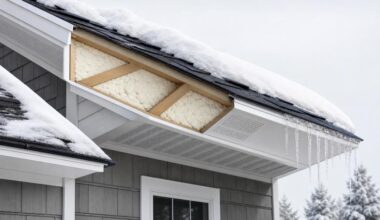
Wall insulation proves more challenging in existing homes, but injectable foam insulation can fill cavities without major demolition. Professional installers drill small holes in exterior walls and pump in expanding foam that seals gaps while providing thermal resistance.
Modernize Your Heating and Cooling Systems
Your HVAC system consumes more energy than any other home appliance, making it the prime target for efficiency improvements. The catch? Older furnaces and air conditioners waste significant energy compared to modern high-efficiency models.
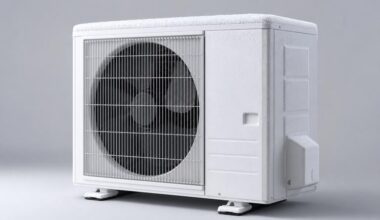
Heat pumps offer exceptional efficiency for both heating and cooling in moderate climates. These systems move heat rather than generating it, using electricity more efficiently than traditional resistance heating methods.
Programmable or smart thermostats automatically adjust temperatures based on your schedule, preventing energy waste when rooms are unoccupied. Smart models learn your preferences and can be controlled remotely through smartphone apps.
Regular maintenance keeps existing systems running efficiently. Replace air filters monthly, clean outdoor condenser coils annually, and schedule professional tune-ups to catch problems before they become expensive repairs.
Ductwork improvements also boost system efficiency. Seal duct joints with mastic sealant, insulate ducts in unconditioned spaces, and ensure proper airflow by keeping vents unobstructed.
Harness Solar Energy for Long-Term Savings
Solar technology has become increasingly affordable and efficient, making it accessible for average homeowners who want to reduce their environmental impact. Modern solar installations require minimal maintenance while providing decades of clean energy production.
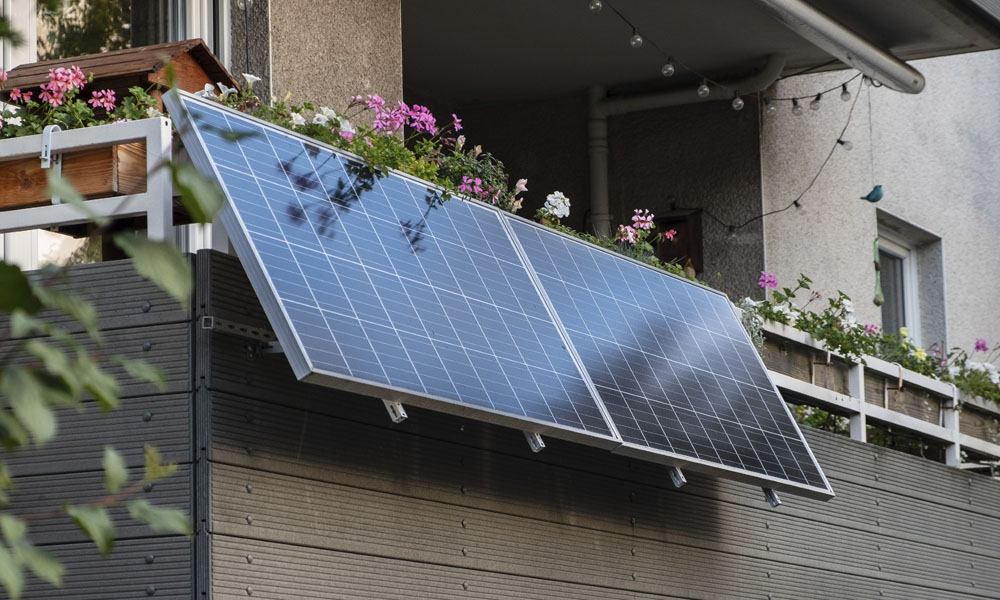
Solar panels significantly lower your energy bills by converting sunlight directly into electricity for your home’s use. Excess energy can be stored in batteries for nighttime use or fed back into the grid through net metering programs.
Solar water heating systems offer another pathway to renewable energy adoption. These systems use solar collectors to heat water directly, reducing the load on conventional water heaters and cutting utility costs.
Consider your roof’s orientation, shading conditions, and local incentive programs when evaluating solar options. South-facing roofs with minimal shade provide optimal conditions, but east and west orientations can also work effectively.
Upgrade to Energy-Efficient Appliances
Home appliances account for a significant portion of your energy consumption. Replacing outdated models with Energy Star certified appliances reduces electricity use while often providing better performance and reliability. Homeowners can further maximize their savings by comparing plans from electric companies in texas to find competitive energy rates that complement their efficient appliances.
Water heaters deserve special attention since they run continuously to maintain hot water availability. Tankless water heaters heat water on demand, eliminating standby losses from traditional storage tanks. Heat pump water heaters extract warmth from surrounding air, using substantially less electricity than conventional resistance models.
Refrigerators, washing machines, and dishwashers have improved dramatically in recent years. New models use advanced technologies like variable-speed compressors, sensor-based controls, and improved insulation to minimize energy consumption.
When you’re shopping for appliances, compare Energy Guide labels to understand operating costs over the appliance’s lifetime. The most efficient models often cost more upfront but save money through reduced utility bills.
Smart Home Technology for Automated Efficiency
Smart home devices help optimize energy use without requiring constant attention from homeowners. These systems monitor consumption patterns and automatically adjust settings to minimize waste.
The main smart devices to consider include:
- Smart power strips that eliminate phantom loads from electronics drawing power when turned off
- LED lighting combined with smart switches and dimmers for precise illumination control
- Motion sensors that automatically turn lights off in unoccupied rooms
- Home energy monitoring systems providing real-time feedback about electricity usage
These technologies help you identify energy-hungry appliances and adjust usage patterns accordingly.
Taking Action for Maximum Impact
Energy efficiency improvements work best when implemented systematically rather than piecemeal. Here’s your action plan:
- Start with air sealing and insulation – these foundational upgrades enhance everything else
- Create a prioritized list based on your budget and potential impact
- Focus on projects that address your home’s biggest energy losses first
- Gradually work through smaller improvements over time
- Check with your utility company about rebates or financing programs
- Schedule regular maintenance to keep improvements working effectively
Many utility companies offer rebates or financing programs for efficiency upgrades, making improvements more affordable. What many people discover is that regular maintenance ensures your improvements continue delivering benefits over time.
Your Path to Energy Independence
Think about this: the money you’re throwing away on wasted energy each month could add up to thousands of dollars over a decade. But it’s not just about the savings – there’s something deeply satisfying about knowing you’re reducing your carbon footprint while creating a more comfortable home for your family. Every sealed air leak, every efficient appliance, and every solar panel installed brings you one step closer to true energy independence. Why not start today with something as simple as a candle and a few dollars’ worth of weatherstripping? Your future self will thank you for it.