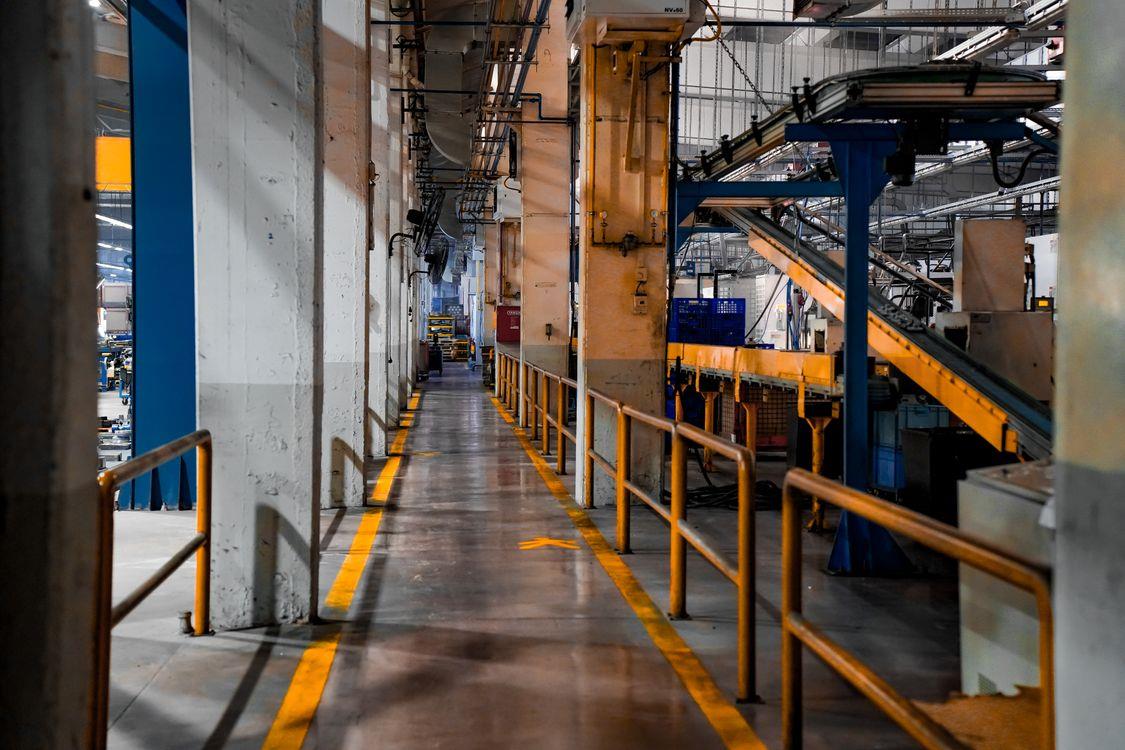
Need more space in a facility but expanding the building isn’t an option?
A mezzanine is the answer.
Installing a warehouse mezzanine is one of the easiest ways to take advantage of wasted vertical space. However… There are two different types of mezzanines, and selecting the incorrect type can be very costly.
The two main options are:
- Free-standing mezzanines
- Rack-supported mezzanines
Each have massive advantages. Each come with disadvantages as well. Deciding which to use depends on several major considerations that most warehouse owners never realize until after it’s too late.
Here’s everything you need to know…
What you’ll discover:
- Why Mezzanines Matter More Than Ever
- Free-Standing Mezzanines Explained
- Rack-Supported Mezzanines Explained
- The Top Things to Evaluate Before Choosing
Why Mezzanines Matter More Than Ever
Industrial space is getting expensive. Really expensive.
The global warehouse mezzanines market is estimated to be worth USD 3.74 billion in 2025. It continues to expand as businesses reach a lack of available floor space. Since rent is constantly increasing, building a new facility can take months or even years. That’s why mezzanines are becoming the first choice solution for many businesses.
Did you know? A strong steel platform framework can add functional space with structural mezzanines without the need for facility expansion. Empty vertical space a business is already paying for becomes livable floor space, doubling capacity virtually overnight.
Pretty cool, right?
However, before getting too excited let’s discuss the two main types and what they are designed for.
Free-Standing Mezzanines Explained
A free-standing mezzanine is exactly what it sounds like.
Self-supporting mezzanine describes a steel platform system that is supported by its own columns. It is independent of any pallet racks or the building structure. Imagine a second floor magically appearing inside your warehouse.
Here’s why people love them:
- Total design flexibility
- Fewer columns mean wider open spaces below
- Can support offices, manufacturing, or storage on top
- Easy to add stairs, gates, and conveyors later
The space beneath remains fully accessible. Forklifts can even park underneath. An entire production line can sit below. Platforms can stack on top of each other if height is available.
But there’s a catch…
Free-standing mezzanines are more expensive initially. They need their own footings so there is concrete work and engineering reviews prior to installation.
Rack-Supported Mezzanines Explained
A rack-supported mezzanine works differently.
Column frame does not use columns. The racking units themselves support this type of mezzanine design. Because the mezzanine floor rests on the pallet racks, you are doubly utilizing that steel.
The biggest advantages:
- Generally more cost-effective
- No additional footings required
- Doubles as both storage and platform
- Faster installation in most cases
Rack-supported mezzanines are ideal when warehouses already have pallet racks installed. They easily integrate with high volume operations such as e-commerce fulfillment.
The problem? It’s all built around the rack configuration. Changing your layout down the road is a big undertaking since THE STRUCTURE IS THE RACKS.
The Top Things to Evaluate Before Choosing
Now to the part most people skip…
There are many things to consider before deciding on one or the other. Make the wrong choice and you’ll regret it quickly.
Intended Use of the Space
What’s actually going on top of the mezzanine?
If the intent is offices, light manufacturing or worker areas… Typically, a free-standing building is preferred. The floor space beneath remains open and flexible.
If all you are looking for is storage/order picking and pallet racks are being used, rack-supported beats price/performance hands down.
Load Capacity Requirements
This is huge.
Heavy requires hefty support. A typical steel platform frame can support upwards of 2000 kg/m2 depending on design, but free-standing mezzanines are better suited for heavier point loads than rack supported mezzanines.
Think about:
- The weight of the goods being stored
- Equipment that might sit on top
- People moving around
- Future load increases
Better safe than sorry. It’s always best to over-engineer. Throw about 20% over what you think you need.
Future Flexibility
This factor trips up so many warehouse managers…
If the business grows (or pivots), the mezzanine needs to grow with it. Stand-alone structures can be more easily modified, expanded or even relocated. They can literally be unbolted and hauled away if the facility is sold.
Floor-supported mezzanines? Yes, please. Rack-supported mezzanines? Not likely. If you have to move them, that means deconstructing your entire racking structure.
Building Codes & Fire Compliance
Don’t forget about the boring stuff.
Local building codes and fire safety requirements dictate what’s possible. Things like:
- Sprinkler system requirements
- Egress routes and stair placement
- Fire-rated decking
- Handrail specifications
A free-standing mezzanine allows sprinklers to be installed into the joist webbing. Rack-supported may need additional fire suppression based on height/product stored.
Budget Considerations
Mezzanines aren’t cheap, but they’re way cheaper than new construction.
Installed costs can vary from $20/sq.ft to $75/sq.ft depending on construction, load ratings and custom features. Rack supported generally falls on the lower end.
Here’s the thing though: Don’t just look at the upfront cost. Think about:
- Long-term flexibility
- Resale or relocation value
- Tax implications (mezzanines depreciate faster than building expansions)
- Operational efficiency gains over 5-10 years
Investing more initially in a free-standing mezzanine can typically pay dividends within a few years.
Ceiling Height & Clearance
Last but not least… How high is the ceiling?
A mezzanine requires adequate clearance ABOVE AND BELOW the deck surface. Typically:
- At least 14 feet of total height
- Minimum 7 feet of clearance underneath
- Adequate working space above for personnel
Without enough ceiling height, neither option works well. Always measure before designing.
Bringing It All Together
Choosing between a free-standing and rack-supported mezzanine isn’t a one-size-fits-all decision.
Each option can more than double your usable warehouse space for a fraction of what new construction would cost. It depends on:
- What the space will be used for
- How much weight it needs to support
- Future expansion plans
- Building codes and safety requirements
- Overall budget and ROI goals
Free-standing provides the greatest flexibility. Rack supported is least expensive and most efficient for straight storage needs.
Consider each element carefully. Make the wrong decision and you will regret it (and pay more money) for years. Choose correctly and you change the way your entire operation functions.
Measure twice, cut once… Now your warehouse will be working harder for you than ever before.