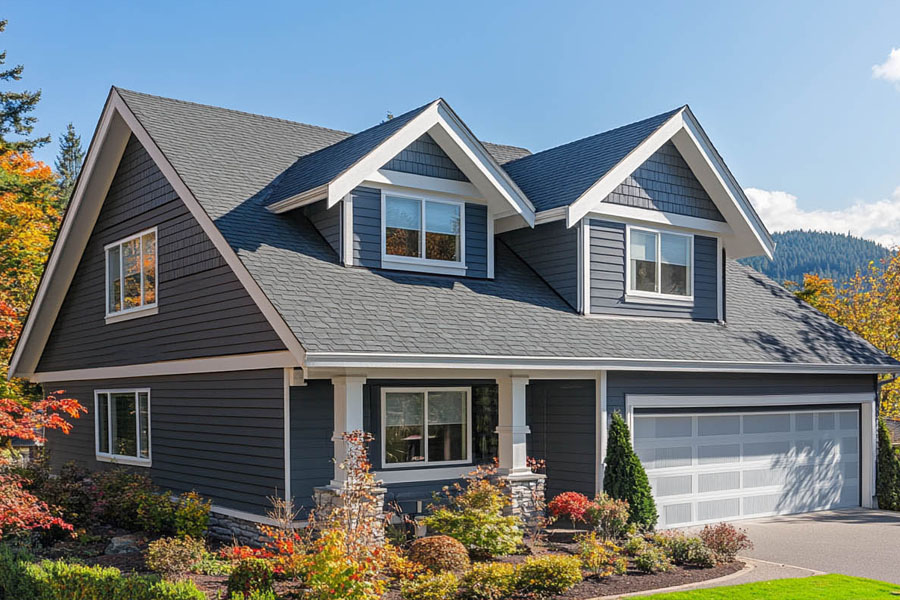
If your energy bills have been creeping up year after year and you can’t figure out why, your siding might be the last place you’d think to look. Most homeowners point the finger at old windows, drafty doors, or an aging HVAC system. But the exterior cladding wrapped around your home plays a much bigger role in thermal performance than most people realize. A quality siding replacement can actually be one of the most impactful upgrades you make when it comes to cutting heating and cooling costs, and understanding why can help you make a smarter decision for your home.
Your Siding Is Part of Your Home’s Thermal Envelope
Before getting into the specifics, it helps to understand what the “thermal envelope” actually means. In simple terms, it’s the barrier between your conditioned living space and the outside world. That envelope includes your roof, insulation, windows, foundation, and yes, your exterior siding.
When any part of that envelope has gaps, cracks, warping, or deterioration, your HVAC system has to work harder to maintain a comfortable temperature inside. Heat escapes in winter. Heat infiltrates in summer. The result is a system that runs longer, cycles more often, and costs you more every month.
Old or failing siding is one of the most common culprits behind a compromised thermal envelope, and it’s often overlooked because the damage isn’t always visible from a casual glance at your home’s exterior.
What Old or Damaged Siding Actually Does to Energy Performance
Here’s where things get interesting. Most people think of siding as purely cosmetic, a protective shell that keeps rain and wind out. And while it absolutely does that, the condition and material of your siding directly affects how well your home holds temperature.
Older siding materials, particularly original wood or thin vinyl that’s been on the house for 20 or 30 years, can develop tiny gaps at the seams, points out JGE Property Management. Expansion and contraction from temperature swings over the years cause panels to shift, warp, or pull away slightly from the framing behind them. Those gaps let outside air in and conditioned air out.
Beyond the seams, damaged sections of siding can allow moisture intrusion into the wall cavity. When insulation gets wet, it loses effectiveness. A wall that was once well-insulated can become a thermal sieve without you ever knowing it.
This is why a lot of homeowners who replace their siding report a noticeable difference in how comfortable their home feels, sometimes before they even see it reflected in their utility bills.
The Insulation Factor: Modern Siding Is Not What It Used to Be
One of the biggest advancements in siding technology over the last couple of decades is the development of insulated siding products. Insulated vinyl siding, for example, is manufactured with a layer of rigid foam insulation bonded directly to the back of each panel. That might not sound like much, but it adds meaningful R-value to your exterior walls.
Standard wall insulation sits between the studs. The problem is that the studs themselves create what are called thermal bridges, paths where heat can travel through the solid wood framing rather than being blocked by the insulation in the cavities. Continuous insulated siding wraps the entire exterior wall, studs included, and interrupts that thermal bridging.
Research from organizations like the Building Science Corporation has shown that eliminating thermal bridging can significantly improve a wall assembly’s overall thermal performance. Some insulated siding products add anywhere from R-2 to R-5 or more to exterior walls, which may not sound dramatic on paper but translates to real savings over time.
For homes in colder climates, where winters are long and heating costs are significant, this kind of improvement to wall performance can make a genuine dent in annual energy expenses.
Fiber Cement, Vinyl, and Other Options Worth Knowing
Not all siding materials offer the same energy benefits, so it’s worth understanding the differences as you evaluate your options.
Insulated vinyl siding is typically the strongest performer when energy efficiency is the primary goal. The integrated foam backing addresses thermal bridging and adds measurable insulation value. It’s also low maintenance, which is a practical bonus.
Fiber cement siding is extremely durable and holds up well in harsh weather conditions, including the freeze-thaw cycles common in northern climates. While it doesn’t have the same built-in insulation as foam-backed vinyl, it can still be paired with continuous insulation board installed behind it during the replacement process, achieving similar results.
Wood siding, while attractive, requires more maintenance and is more susceptible to moisture intrusion and warping over time. If energy efficiency is a priority, it’s usually not the first recommendation.
Engineered wood composite products offer a balance of aesthetics and performance, and some manufacturers have improved them significantly in terms of moisture resistance and dimensional stability.
The material you choose matters, but so does the installation. Even the best siding product on the market will underperform if it’s installed without proper sealing, flashing, and attention to air leakage points. This is one of the reasons professional installation is worth the investment.
Air Sealing: The Piece Most People Miss
When a contractor replaces your siding, there’s a window of opportunity to address air sealing that simply doesn’t exist any other time without a major renovation. With the exterior exposed, a skilled crew can inspect the house wrap or weather-resistant barrier underneath, replace sections that have degraded, add or upgrade the continuous insulation layer, and seal penetrations around windows, doors, utility lines, and other openings.
Air sealing is arguably more important than insulation in many homes. According to the U.S. Department of Energy, air leakage accounts for a significant portion of energy loss in residential buildings. Addressing it during a siding project costs relatively little in the context of the overall job but can have an outsized impact on energy performance.
If you’re having siding replaced and the contractor doesn’t mention anything about the house wrap or air sealing underneath, it’s worth asking about it.
What Kind of Savings Can You Realistically Expect?
This is where it’s important to be honest rather than throw out inflated numbers. Energy savings from siding replacement vary widely depending on your climate, your existing wall assembly, the size of your home, and what you’re replacing the old siding with.
That said, homeowners who replace deteriorated siding and add continuous insulation to walls that previously had only cavity insulation often report energy bill reductions in the range of 10 to 20 percent, sometimes more. In homes with severe air leakage problems that get properly addressed during the project, savings can be even more significant.
Beyond the dollar figures, the comfort improvement is something nearly everyone notices. Fewer cold drafts near exterior walls in winter. Rooms that don’t heat up as quickly in summer. Less of that “cold wall” feeling in bedrooms on the north side of the house. These are quality-of-life improvements that don’t always show up in a spreadsheet but matter a lot to the people living there.
The Bigger Picture: Resale Value and Long-Term ROI
Energy efficiency isn’t the only financial argument for replacing siding that’s past its prime. According to Remodeling Magazine’s annual Cost vs. Value report, siding replacement consistently ranks among the top home improvement projects for return on investment. Buyers notice curb appeal, and they notice new siding.
When you factor in the combination of lower monthly energy costs, reduced maintenance expenses, improved home value, and the practical benefit of not dealing with failing or damaged exterior cladding, the case for replacing aging siding gets stronger.
How to Know If Your Siding Is Affecting Your Energy Bills
A few signs worth paying attention to:
- Drafts near exterior walls, especially in rooms that always seem colder than the rest of the house
- Noticeably higher heating or cooling bills compared to neighbors with similar homes
- Visible warping, cracking, gaps, or bubbling in your current siding
- Moisture or mold problems inside walls
- Siding that is more than 20 to 25 years old and has never been replaced
If any of these apply, a professional inspection of your exterior is a smart next step. A qualified contractor can assess not just the visible condition of the siding but also what may be happening underneath.
A Practical Takeaway
Your siding does more than make your home look good. It’s a working part of your building’s energy system, and when it fails, your comfort and your wallet both feel it. Replacing deteriorated siding with a modern, well-installed product, especially when paired with proper air sealing and insulation upgrades underneath, is one of the more practical investments a homeowner can make.
It won’t happen overnight, but the combination of lower bills, better comfort, and improved home value tends to make it one of those projects that homeowners are glad they didn’t put off any longer.