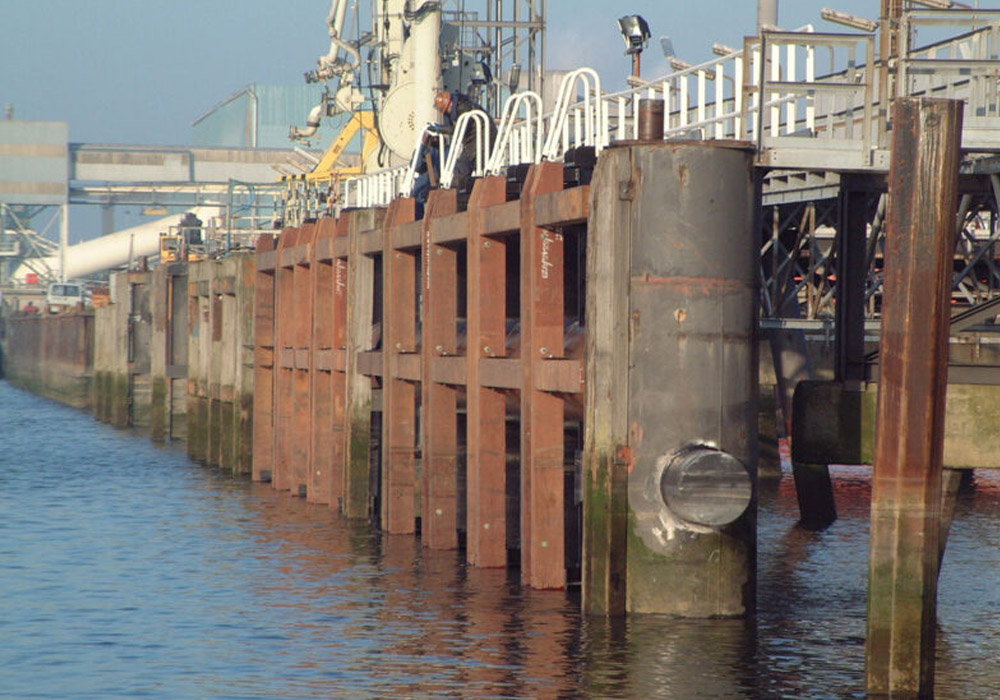
Pontoons are subjected to recurring vessel impacts, tidal variations, and hydrodynamic forces throughout their operational lifecycle. Selecting an incompatible fender system can result in accelerated degradation of the marine infrastructure and increased lifecycle costs. For marine engineers, specification requires a rigorous analysis of material properties and structural compatibility beyond initial procurement costs.
Engineers must quantify performance variables to ensure the facility meets its design intent. When evaluating ekki fenders for pontoons, technical comparisons should focus on energy absorption, durability in high-salinity environments, and long-term asset management. This objective approach ensures that the specified solution aligns with the site’s specific functional requirements.
Vessel Movements Influence Fender Requirements
Vessel classification and berthing frequency directly dictate fender performance requirements. Loading conditions differ significantly between pontoons serving lightweight leisure craft and those accommodating commercial workboats or passenger ferries. Specifications are based on calculated displacement, berthing velocities, and contact profiles. These data points allow engineers to determine the necessary energy absorption capacity and optimal fender configuration.
Marine Conditions Affect Material Performance
Waterfront environments present complex chemical and biological challenges. Continuous saltwater immersion, UV exposure, and the presence of marine borers can compromise material integrity. A specified fender system must retain its structural properties under these stressors. Engineers assess the biological resistance and mechanical stability of materials to ensure that environmental exposure does not result in premature failure or loss of protective function.
Impact Resistance Supports Asset Protection
The primary function of a pontoon fender system is to dissipate kinetic energy during berthing. Materials must demonstrate high shear strength and impact resistance to manage repeated loading without fracturing. Engineers compare the stress-strain characteristics of materials under operational loads. A technically suited fender system mitigates the risk of structural damage to the pontoon and protects the hull integrity of visiting vessels.
Structural Compatibility Matters
Each marine structure presents unique mechanical constraints. Fixing details, load-bearing capacities of the pontoon edge, and the geometry of the installation area are critical specification factors. Engineers evaluate how the fender system integrates with the existing structural layout to ensure efficient load transfer. Proper alignment with the pontoon design facilitates installation and supports consistent mechanical performance over time.
Maintenance Expectations Deserve Attention
Asset owners evaluate maintenance cycles as a critical component of operational expenditure. Material choice dictates the frequency of inspections, surface treatments, and component replacements. By analyzing the expected service life of different materials, project teams can project long-term operational commitments. This technical data supports an evidence-based comparison of various pontoon protection solutions.
Whole-Life Value Extends Beyond Purchase Cost
Capital expenditure (CAPEX) is only one metric in the selection process; engineers prioritize whole-life value. Mechanical durability, maintenance intervals, and the total cost of ownership (TCO) determine the financial viability of a specification.
Unlike many synthetic or non-timber alternatives that often carry a significant embedded carbon footprint due to energy-intensive manufacturing processes, Ekki is a natural material that functions as a long-term carbon sink. Choosing this sustainable hardwood provides an immediate carbon-efficiency advantage, aligning project specifications with increasingly stringent environmental and net-zero targets.
When specifying ekki fenders for pontoons, the material’s high density and natural durability are weighed against these lifecycle variables. A solution that maintains structural performance across decades of service provides measurable reliability for marine infrastructure projects.
Information Marine Engineers Review Before Specification
Accurate project information helps engineers select a fender system that aligns with operational demands and site conditions.
- Typical vessel sizes using the pontoon.
- Expected berthing frequency.
- Local tidal range and environmental conditions.
- Structural details of the pontoon.
- Installation access requirements.
- Long-term maintenance objectives.
These parameters allow for a data-driven specification process, ensuring the selected system is technically compatible with the marine environment.
Specifying a pontoon fender system requires a technical synthesis of vessel dynamics, environmental stressors, mechanical properties, and structural integration. Each factor is critical to the reliable protection of the marine asset. By conducting a comparative analysis of these variables during the design phase, engineers can ensure that the specified fenders provide optimal performance and durability throughout the pontoon’s design life.