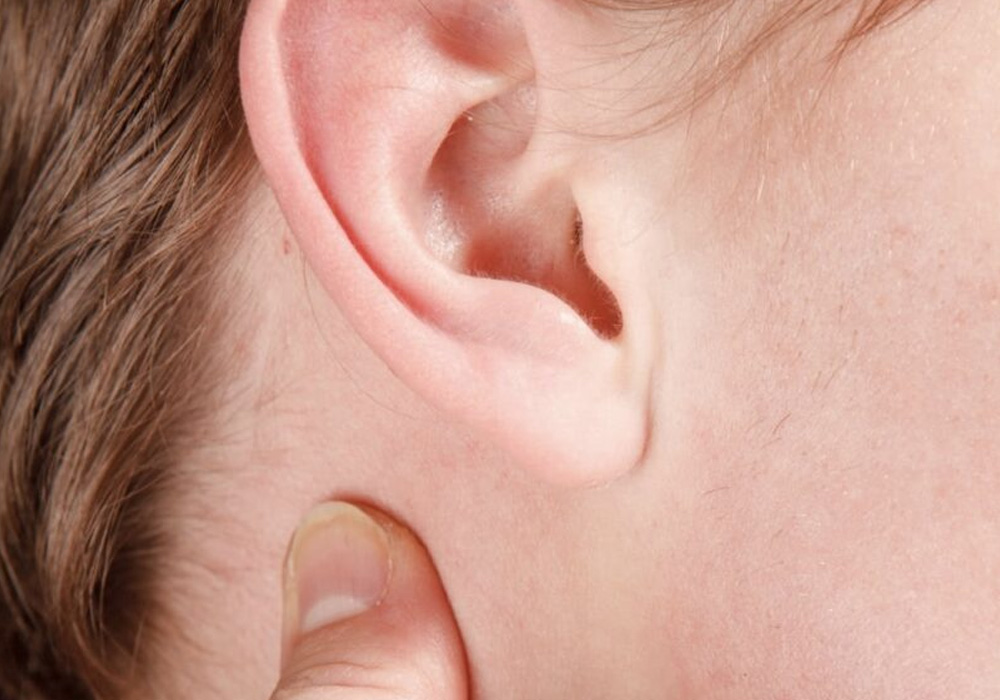
Understanding Ear Infections and Their Impact on Wellness
Ear infections, commonly known as otitis media, are common health issues that can disrupt daily life for both children and adults. These infections develop when fluid becomes trapped behind the eardrum, leading to inflammation, pressure, and pain. While ear infections usually respond to medical treatment, supportive therapies may help the healing process and promote overall well-being. For individuals seeking more holistic approaches, exploring the relationship between ear infections and alternative care options can be worthwhile.
Symptoms of ear infections often include earache, difficulty hearing, irritability (especially in children), and even fever. Left untreated, recurring infections can potentially lead to hearing loss or other complications, making timely intervention and supportive care essential. Alongside traditional medicine, complementary therapies may help to manage symptoms and speed up recovery.
Parents and adults alike are interested in options that go beyond antibiotics or pain relievers, especially given concerns over antibiotic resistance and the desire for drug-free solutions. In this context, chiropractic care is gaining attention as a complementary method, aiming to alleviate certain symptoms and support overall nervous system health. Because ear infections can stem from several causes, including viral or bacterial agents, allergies, or structural concerns, taking a comprehensive approach to care makes sense. Chiropractic interventions may address some of these factors by improving alignment and supporting normal physiological functions.
The Role of Chiropractic Care in Ear Infection Recovery
Chiropractic care is based on the belief that proper alignment of the spine, particularly the upper cervical area, is vital for optimal nervous system function. Misalignments or restrictions in this region may influence nerve pathways and muscle tension, potentially affecting how the Eustachian tube functions, from draining fluid out of the middle ear to equalizing air pressure. With gentle, precise adjustments, chiropractors aim to restore proper spinal alignment, reduce nerve interference, and promote the body’s natural healing abilities during ear infection recovery. In recent years, clinical interest in non-invasive and drug-free therapies for ear infections has grown. Chiropractors maintain that spinal health plays a pivotal role in the body’s ability to overcome infection by ensuring optimal communication between the brain, spine, and various organ systems. While the primary goal is not to directly “treat” the infection, these subtle adjustments are designed to help the body achieve homeostasis, potentially making it easier to fight infection and reduce recurrence rates over the long term.
Potential Benefits of Chiropractic Adjustments
- Improved Drainage:By correcting cervical spine misalignments, chiropractic care may help the Eustachian tube open and close more efficiently, assisting natural fluid drainage and reducing pressure inside the middle ear.
- Enhanced Immune Response:The nervous system is integral to immune function. Chiropractic adjustments support optimal neural communication, which can bolster the immune response and aid recovery from infections.
- Pain Relief:Targeting spinal and muscular issues around the neck and shoulders may reduce muscle tension, ease pain signals, and decrease the discomfort caused by ear infections.
Chiropractic providers often collaborate with other health professionals, including pediatricians and ENT specialists, to create well-rounded care plans. In addition to adjustments, some chiropractors may offer guidelines on nutrition or stress reduction, both of which can contribute to better immune function and quicker recovery during and after ear infections. Research suggests that supporting the body’s holistic needs, by ensuring proper posture, getting enough sleep, and staying hydrated, may help minimize the chances of recurrent or chronic ear problems.
Integrating Chiropractic Care with Traditional Treatments
Chiropractic care should be viewed as a complementary or adjunct approach, rather than a substitute for proven medical therapies such as antibiotics (when necessary) or pain relievers. Open collaboration with a primary care physician or pediatrician is critical to ensure complete, safe, and effective care. The American Chiropractic Association supports a watchful waiting approach for pediatric ear infections, noting that chiropractic care can be a gentle, non-invasive adjunct during observation.
In many scenarios, a multidisciplinary strategy produces the best results. For instance, while antibiotics may be necessary for bacterial infections, supportive therapies like chiropractic can help manage pain, improve mobility, and potentially reduce emotional stress that accompanies discomfort. Furthermore, by addressing biomechanical issues of the neck and upper back, chiropractic care can offer practical solutions for those seeking to lower the risk of further infections.
What to Expect During a Chiropractic Visit
For those considering chiropractic care for ear infection recovery, the practitioner will typically begin by reviewing health history and conducting a physical examination focusing on spinal alignment and posture. Gentle adjustments, particularly in the upper cervical spine, are performed using precise, controlled movements. In addition, chiropractors may provide advice on mobility exercises or tips for reducing inflammation and promoting a healthier recovery environment at home.
A chiropractic patient can expect an individualized approach during each session. Chiropractors may utilize specific tools or low-force, hands-on techniques, especially for pediatric patients. By focusing on patient comfort, these methods aim to minimize discomfort while still targeting problem areas effectively. Ongoing visits may involve regular progress assessments and adjustments to the care plan, ensuring that treatment remains appropriate for the patient’s changing needs.
- Assessment of spinal alignment, especially in the neck and upper back.
- Gentle, targeted chiropractic adjustments tailored to the patient’s age and condition.
- Guidance on lifestyle modifications, posture improvements, and at-home exercises to support faster recovery.
Safety and Considerations
When provided by a licensed, experienced chiropractor, this form of care is generally safe and well-tolerated. Nevertheless, patients or parents need to inform all health providers of any ongoing treatments or underlying health conditions. This communication helps avoid contraindications and ensures coordinated, well-rounded care. As with any health intervention, informed consent and transparent discussion of expectations are vital. If symptoms such as high fever, severe pain, or hearing loss are present, prompt medical evaluation should take priority. Families and individuals interested in chiropractic interventions should choose practitioners with pediatric experience when seeking treatment for children. They should never hesitate to consult their physician if they are uncertain about the safety or appropriateness of any approach. The goal is always to achieve optimal health outcomes by combining expertise across multiple areas of care.
Conclusion
Chiropractic care presents a promising complementary approach to managing ear infection recovery. By supporting drainage, enhancing immune response, and relieving discomfort, it can play a meaningful role in a holistic care plan. Coordination with traditional medical treatments and professional guidance is key to safe, effective care, ultimately fostering wellness and helping individuals, especially children, recover more comfortably from ear infections.