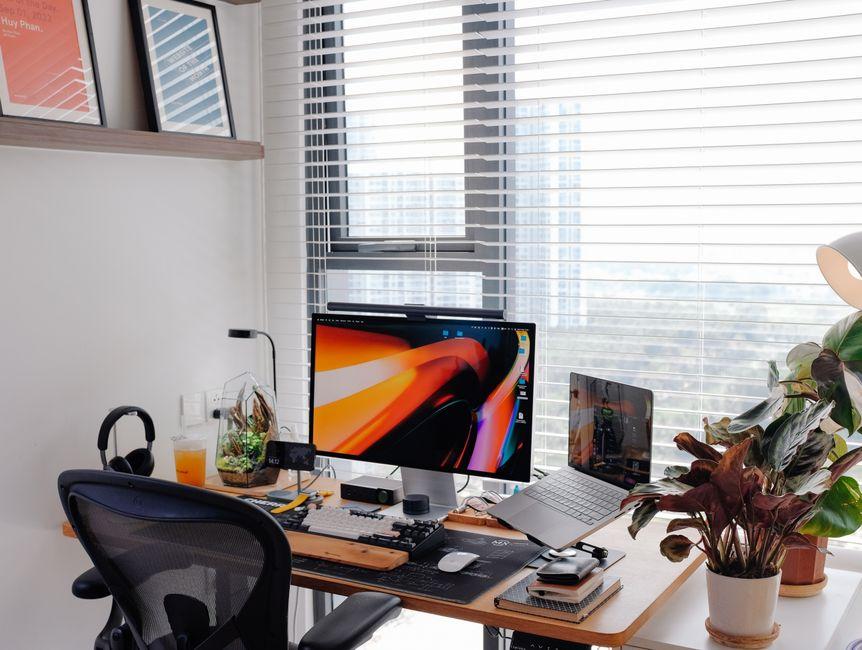
Working from home sounds dreamy until your office feels too dark, too loud, too hot, or weirdly chilly by 2 p.m. A good setup is not only about a cute desk and a coffee mug with personality, reports Touchstone Property Management, a trusted provider of professional property management. It’s also about how the room actually works every day. If you want a space that helps you focus, stay comfortable, and feel a little less frazzled, a few smart upgrades can make a big difference without turning your office into a science project.
Window choices matter
Your windows do a lot more work than you may realize. In a home office, they affect light, temperature, noise, and how safe your room feels during rough weather. If your current windows let in drafts, street sounds, or too much heat, your focus can disappear faster than a snack during a long Zoom call.
That’s why many homeowners look into the best-quality impact-resistant windows when they want a stronger, more reliable setup. These windows can help protect your space during storms while also making the room feel steadier and quieter day to day. That matters when you’re trying to finish a report, and the wind outside is acting like it wants a meeting invite.
Good windows also help your office feel more polished. You notice fewer rattles, fewer hot spots, and fewer moments where you keep adjusting your sweater like the room can’t make up its mind.
Start with natural light
Natural light can make your home office feel more awake, which is handy when your brain is still buffering in the morning. Sunlight helps the room feel open and can even reduce that cave-like feeling many spare bedrooms have once they become workspaces.
Try placing your desk near a window, but not directly in front of it if glare is a problem. Side lighting often works best because it brightens the room without blasting your screen. If you’ve ever spent half a meeting squinting at your laptop, you already know this matters.
Sheer curtains or adjustable blinds give you control without turning the room gloomy. You want light that feels soft, not a spotlight that makes your forehead shine on video calls. It also helps to test the room at different times of day. A spot that looks perfect at 9 a.m. might become a sunny ambush by 3 p.m.
Cut daily distractions
A home office should help you focus, but outside noise and visual clutter can chip away at your attention. Barking dogs, traffic, lawn mowers, or the neighbor who seems deeply committed to leaf blowing can all break your concentration.
Start by noticing what pulls your focus most. If noise is the issue, soft furnishings like rugs, curtains, and upholstered chairs can help absorb sound. If the problem is constant activity outside the window, try adjusting your desk angle so you aren’t facing every passing delivery truck like it’s your main event.
Windows also play a big role here. If they’re thin or poorly sealed, they let in more sound and outside air than you want. That can make your office feel busy even when you’re trying to keep it calm. The goal is not silence like a library from outer space. It’s just fewer interruptions, so your brain doesn’t keep jumping tracks.
Keep the room comfortable
Comfort is one of those things you barely notice when it’s right and absolutely cannot ignore when it’s wrong. A room that swings from too warm to too cold can make your workday feel longer than it needs to be.
Windows are often part of the problem. If one side of the room gets baked by afternoon sun, or if cold air sneaks in during winter, your desk area can become a mini weather system. Start with easy fixes like sealing small gaps, adding a draft stopper, or using thermal curtains. A small fan can improve airflow if the room feels stuffy.
Still, there are times when patchwork fixes only do so much. If the room stays uncomfortable no matter what, a window upgrade may be the better long-term move. You want your office to support steady focus, not make you dress in layers like you’re working between seasons.
Plan a smarter layout
A smart layout can make even a small office feel easier to use. You don’t need a huge room. You just need a setup that doesn’t fight you all day. Start with your desk placement, since that’s the command center for everything else.
If possible, place your desk where you get daylight from the side. That usually cuts glare better than facing the window or putting your back to it. When the light is behind you, your screen can reflect like a tiny mirror with attitude.
Keep frequently used items within reach so you’re not twisting around every ten minutes. Add storage that goes vertical if floor space is tight. A small lamp, one shelf, and a tidy drawer unit can do a lot without crowding the room.
It also helps to leave a little breathing space near windows. Blocking them with bulky furniture can reduce light and make the room feel cramped. Let the window area work for you instead of becoming a forgotten corner.
Choose upgrades that last
The best home office upgrades are the ones that keep helping long after the excitement of rearranging the room wears off. Durable changes save you time, lower upkeep, and make the space easier to enjoy every day.
Think about improvements that solve more than one problem at once. Better windows can support comfort, storm protection, noise control, and energy efficiency. Quality window coverings can help with privacy and glare while also making the room feel finished. A supportive chair may not be glamorous, but your back will probably write it a thank-you note.
Try not to chase trends that look nice for a week and annoy you for a year. A practical home office should fit your routine, not just your mood board. If an upgrade helps you stay focused, feel comfortable, and use the room more easily, it’s probably worth serious thought. That’s the sweet spot where style and function stop arguing and start getting along.