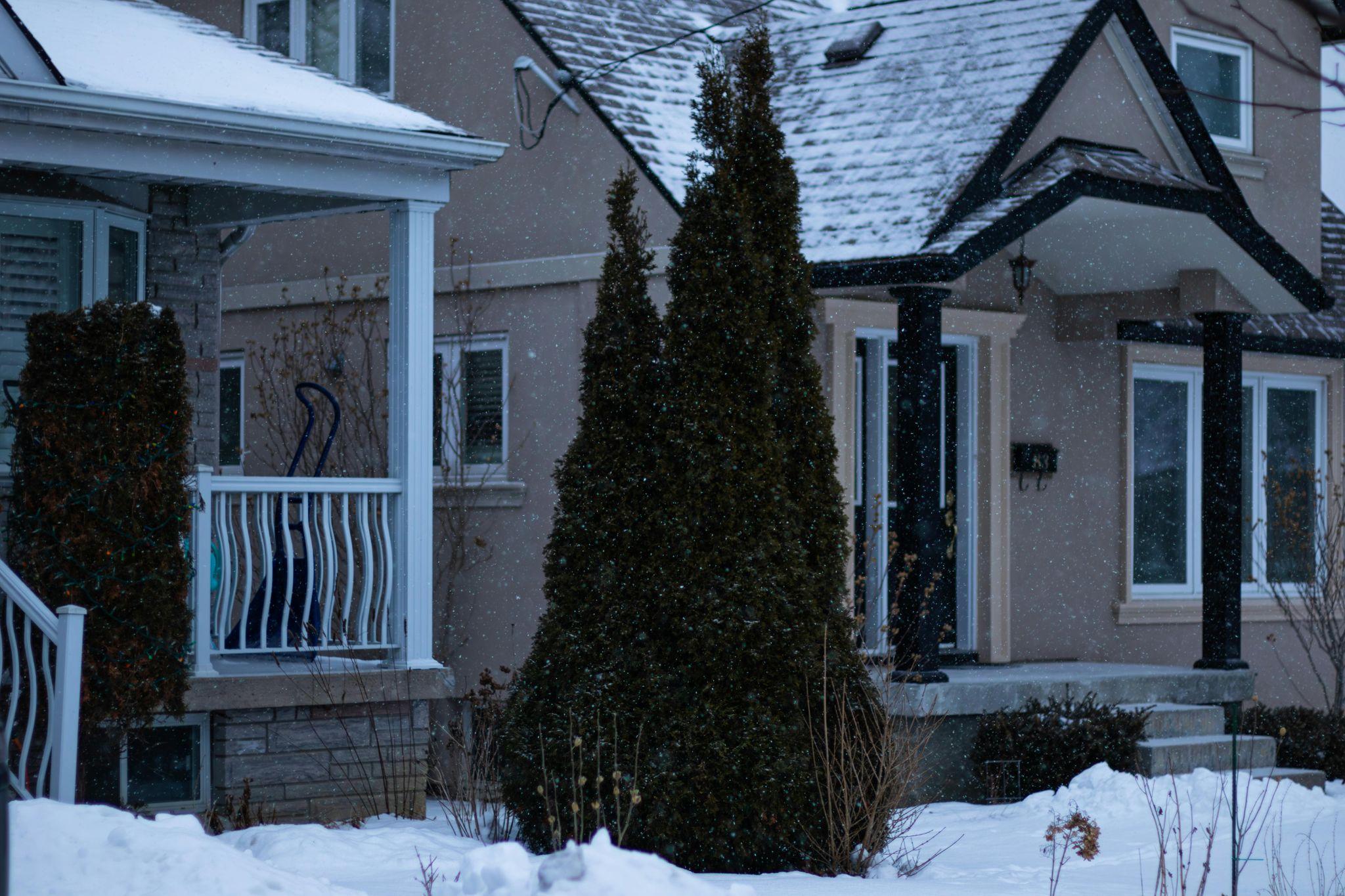
Many homeowners think roofing trouble starts outside after a storm or missing shingles, but that is not always true. In many homes, the real issue starts inside the attic long before damage becomes visible. Minneapolis roofing problems often grow quietly because snow, freezing temperatures, trapped moisture, and poor airflow constantly put pressure on the roof system. That is why roof inspections in Minneapolis are so important before winter damage gets worse. A poorly managed attic can lead to mold, leaks, ice dams, high energy bills, and expensive structural repairs over time.
Why Attics Play Such a Big Role in Roof Health
The attic sits directly below the roof, which means it controls how heat and moisture move through the home. When attic conditions are balanced, the roof usually lasts longer and performs better during rough weather. When airflow or insulation problems develop, the roof takes the damage first. Many Minneapolis roofing contractors find hidden attic problems during routine inspections because homeowners rarely enter these spaces themselves. Moisture, trapped heat, and poor ventilation can slowly weaken wood, shingles, and insulation for years before obvious warning signs finally appear inside the house.
How Minneapolis Winters Put Extra Stress on Attics
Winter weather in Minnesota creates difficult conditions for almost every roofing system. Warm indoor air naturally rises upward into attic spaces while freezing temperatures sit directly above the roof. This temperature difference creates moisture buildup, condensation, and uneven snow melting patterns. Minneapolis roofing systems deal with repeated freeze and thaw cycles that place constant stress on shingles and roof decking. Older homes often struggle even more because insulation may no longer work properly. Snow buildup, ice formation, and trapped moisture can slowly damage the roof throughout the entire winter season without homeowners realizing it.
Poor Ventilation Quietly Destroys Roofing Systems
Good attic ventilation allows heat and moisture to escape before they create damage. Without proper airflow, hot air becomes trapped inside the attic and creates a dangerous environment for roofing materials. Wood can warp, insulation can hold moisture, and mold may begin growing in dark corners. Minneapolis roofing professionals often find poor ventilation behind problems like ceiling stains, peeling paint, or shingle damage. Homeowners may also notice musty smells, overheated upper floors, or frost inside the attic during winter. Even if the roof looks fine outside, poor ventilation can still quietly weaken the structure underneath.
Moisture Is One of the Biggest Hidden Roofing Threats
Moisture problems inside the attic usually begin from normal daily activities like cooking, showers, laundry, and humidifiers. Warm, moist air rises upward and collects in colder attic spaces during winter. When this warm air touches cold wood or nails, condensation forms and slowly creates water damage. Minneapolis roofing systems need strong moisture control because winters keep attics cold for long periods. Wet insulation loses effectiveness, while wood beams and roof decking may begin rotting over time. Many homeowners do not notice moisture problems until stains, mold smells, or visible roof leaks finally appear inside the home.
Insulation Problems That Cause Roofing Damage
Insulation helps control temperature inside the attic and keeps heat from escaping through the roof. When insulation becomes uneven, damaged, or outdated, warm air leaks upward and creates hot spots across the roof surface. This causes snow to melt too quickly in some areas while remaining frozen in others. Minneapolis roofing companies often connect insulation problems directly to ice dams and winter roof leaks. Older homes may contain thin insulation layers or gaps around vents and fixtures. Proper insulation not only protects the roof but also lowers heating bills and improves overall comfort during winter.
Ice Dams Are Often an Attic Problem First
Ice dams may appear along roof edges, but the real problem often starts inside the attic. Heat escaping through the roof melts snow higher up, and the water then refreezes near colder roof edges. Over time, thick ice forms and traps additional water underneath shingles. Minneapolis roofing contractors regularly deal with leaks caused by this cycle during harsh winters. Ice dams can damage gutters, insulation, ceilings, and roof decking if ignored for too long. Simply removing snow or ice does not fully solve the issue because ventilation and insulation problems inside the attic are usually the main cause.
Warning Signs Your Attic May Already Be Damaging Your Roof
Attic problems often begin quietly, but small warning signs usually appear before major damage happens. Homeowners should pay attention to water stains on ceilings, musty smells, peeling paint, or sudden increases in heating costs. Icicles hanging from gutters may also point toward heat escaping through the attic. Minneapolis roofing specialists often recommend inspections after homeowners notice uneven snow melting patterns or frost inside attic spaces. Drafty upper rooms and sagging roof sections can also signal hidden moisture problems. Catching these warning signs early may prevent much larger and more expensive roofing repairs later.
Older Minneapolis Homes Have Higher Attic Risk
Many older homes across Minneapolis were built before modern roofing ventilation standards existed. Some attics have very little airflow, while others contain outdated insulation that no longer performs properly. Over the decades, settling and remodeling projects may accidentally block vents or create hidden gaps that trap moisture. Minneapolis roofing contractors commonly see attic damage in older neighborhoods because cold winters slowly expose these weaknesses over time. Historic homes may also use older roofing materials that are more vulnerable to moisture and temperature swings. Regular inspections become especially important in homes that have aging roofing systems and attic structures.
How Roofing Professionals Inspect Attic Problem Areas
A professional roofing inspection usually involves much more than simply looking at shingles from the outside. Contractors often inspect attic ventilation, insulation levels, moisture buildup, roof decking, and possible mold growth. Some Minneapolis roofing teams use moisture meters or infrared tools to identify hidden water damage behind walls and ceilings. Roof leaks do not always appear directly beneath the damaged area, which makes attic inspections extremely important. Professionals also check whether airflow systems are working properly throughout the attic. Finding these problems early can help homeowners avoid costly structural repairs or premature roof replacement projects later.
Smart Prevention Tips for Minneapolis Homeowners
Preventing attic-related roof damage is usually much cheaper than fixing major repairs later. Homeowners should schedule annual roof inspections and pay close attention after heavy storms or long winters. Keeping vents clear and sealing attic air leaks can help reduce moisture buildup. Minneapolis roofing experts also recommend checking insulation regularly to make sure it stays dry and evenly distributed. Monitoring humidity levels inside the home may also prevent condensation problems in colder months. Small improvements like better ventilation or insulation upgrades can make a big difference in protecting the roof and improving long-term energy efficiency.
Why Roof Problems Often Begin Inside the Attic
Most attic damage stays hidden long before homeowners notice leaks or ceiling stains. By the time moisture becomes visible inside the house, trapped heat, poor airflow, or weak insulation may already be damaging the roofing system from underneath.
Minneapolis roofing problems often grow worse during winter because snow, ice, and freezing temperatures place constant pressure on attic spaces. Small ventilation or moisture issues can eventually lead to mold, insulation damage, ice dams, and expensive structural repairs. A professional Minneapolis roofing inspection can help catch these hidden attic problems early before they spread through the rest of the home.