Key Highlights
- Thermal label printer work is simple: a heated print head creates text and barcodes for shipping labels without traditional inkjet supplies.
- Direct thermal printing uses heat-sensitive thermal paper, so there’s no ribbon to replace.
- Thermal transfer printing uses a thermal transfer ribbon to bond melted ink onto label material.
- Print quality stays consistent and sharp at high speeds.
- Your label material choice affects durability, fading, and where labels can be used.
- The main difference is paper-reacts-to-heat versus ribbon-transfers-ink.
Thermal printing is a go-to option when you need shipping labels fast and easy to read. Instead of dealing with cartridges like traditional inkjet setups, these printers rely on heat to create crisp text, barcodes, and simple graphics.
While some businesses choose to buy color label printer systems for product packaging, branding, or retail labels, thermal printers remain the preferred choice for shipping operations because of their speed, reliability, and lower running costs.
That’s why so many teams use them for everyday packing and shipping tasks. If you’ve ever wondered how the process actually happens inside the printer, you’re in the right place. Let’s break down what drives print quality and speed.
What Are Thermal Label Printers?
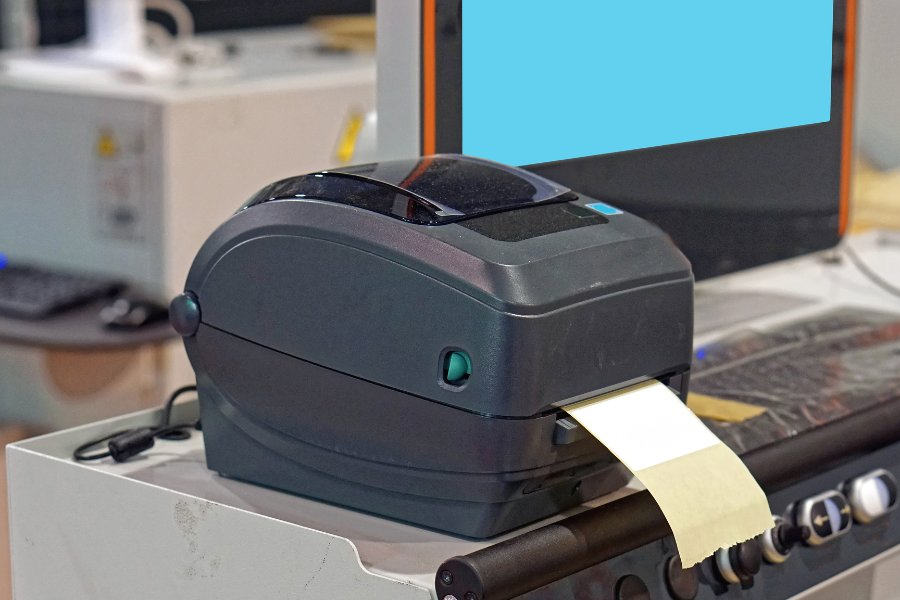
A thermal label printer is an essential tool for printing labels using a heated thermal printhead pressed against the print surface. In simple terms, the printer heats specific spots in a pattern, and that heat creates the text or barcode image you need. You’ll often see these devices used for shipping, receiving, and inventory tasks where clear barcode labels matter.
There are two main types of printers in this category, and your choice affects the label material you’ll use. One type prints directly on chemically treated thermal paper, while the other prints by transferring ink from a ribbon onto the label stock. Either way, the goal is the same: dependable printing labels with consistent results. Next, it helps to know what parts make that happen.
Why Do Shipping Labels Use Thermal Printers?
Thermal printers have become the industry standard for shipping labels because they are fast, reliable, and cost-effective. Unlike traditional inkjet or laser printers, thermal printers use heat to create images and text on labels, eliminating the need for ink cartridges or toner.
For businesses that process shipments daily, this technology helps reduce operating costs while maintaining consistent print quality. Sharp barcodes and clear address information are essential for carrier scanning systems, and thermal printers are designed to produce highly readable labels that withstand the shipping process.
Some of the main reasons shipping labels use thermal printers include:
- No ink or toner costs, reducing ongoing expenses
- Faster print speeds for high-volume order fulfillment
- Consistent barcode quality for accurate package tracking
- Lower maintenance requirements than traditional printers
- Compact designs that fit easily into packing stations
- Reliable performance for printing standard 4″ × 6″ shipping labels
For small businesses and large warehouses alike, thermal printing offers a practical way to streamline shipping operations while ensuring labels remain clear and scannable from dispatch to delivery.
How Do Thermal Shipping Label Printers Work?
Thermal shipping label printers create labels by applying heat rather than using ink or toner. When a shipping label is generated through a marketplace, carrier platform, or shipping software, the printer receives the digital file and transfers the information directly onto a label.
Most shipping operations use direct thermal technology, which prints onto specially coated labels that darken when heated. This process produces clear text, addresses, tracking numbers, and barcodes that can be scanned throughout the delivery journey.
The printing process typically follows these steps:
- A shipping label is created in your shipping software or online store.
- The label file is sent to the printer.
- The print head applies heat to specific areas of the label.
- Text, graphics, and barcodes appear instantly on the label surface.
- The finished label is applied to the package and scanned by carriers during transit.
Because thermal printers have fewer moving parts and no ink system, they offer a simple, efficient solution for businesses that ship orders regularly.
What Are the Types of Thermal Printing Technologies?
When you compare types of thermal printing, you’re really choosing between direct thermal and thermal transfer. The difference comes down to whether heat changes the paper itself or heat moves ink from a ribbon onto the label.
Your type of printer should match how long the label needs to last and what it will face during shipping. The next two sections explain each method in a clear, practical way so you can pick the right fit.
1. Direct Thermal Printing Method
Direct thermal printing works by using heat-sensitive thermal paper that’s chemically treated. As the label passes under the print head, small heated points activate in a pattern to create text, barcodes, or images right on the surface.
Because a direct thermal printer doesn’t use a ribbon, you don’t buy ink or toner supplies for the printing step. That keeps operation simple and helps limit maintenance costs, since the main consumable is the thermal paper itself.
One tradeoff is lifespan. Direct thermal prints can fade over time because the paper reacts to heat and light. You’ve probably seen old receipts fade for the same reason. It’s also typically one color at a time, based on the paper you load. Next up: the ribbon-based alternative.
2. Thermal Transfer Printing Method
Thermal transfer printing uses a thermal transfer ribbon instead of heat-sensitive paper. A heated printhead presses the ribbon against the label surface, and the ribbon’s coating melts. That melted ink transfers onto the label and dries in place, producing a durable image.
| Feature | Thermal Transfer Printing |
| How the image is created | Heat melts ribbon coating and transfers ink to the label |
| Main consumables | Label material plus thermal transfer ribbon |
| Strength in use | Better resistance to fading, abrasion, and harsh environments |
| Media flexibility | Works with paper and synthetics like polyester or polypropylene |
| Cost over time | Ribbon replacement can raise long-term operating costs |
This approach is a smart choice when labels must last longer or face handling, light, or tougher conditions. The tradeoff is extra steps and parts, since ribbons must be replaced and managed. With both methods in mind, it’s easier to see why these printers don’t rely on toner.
How Thermal Label Printers Operate Without Ink or Toner?
Thermal label printer work is built around heat, so there’s no ink and no toner in the way you’d expect from inkjet printers or laser printers. The printing process either changes the surface of thermal paper or transfers pigment from a ribbon using heat.
So why don’t they need cartridges? Because the printhead’s heat does the imaging job, and the media supplies the color. Next, let’s look at what’s happening inside heat-sensitive materials and specialty supplies.
The Science Behind Heat-Sensitive Paper
Thermal paper is heat-sensitive paper coated with chemicals that react when warmed. In direct thermal technology, the printer doesn’t add ink; it triggers a reaction in the coating so the heated areas turn dark and form the image.
During the digital printing process, the printer controls which heating elements turn on and for how long. That control is what makes barcodes and text look crisp, even at high speed, because the heat pattern is highly precise.
The limitation is also tied to that chemistry. Since the surface remains sensitive, exposure to sunlight or heat can speed fading, and extreme heat can darken labels. That’s why storage conditions matter, and it’s also why some shippers choose transfer ribbons for longer-lasting marks.
Role of Special Labels and Ribbons
Special labels are a big part of reliable printing labels. For direct thermal, you need thermal paper labels designed to react to heat from the printhead. For thermal transfer, you can use a wider range of label material, including paper and synthetics like polyester or polypropylene.
A thermal transfer ribbon is the other half of the transfer setup. The ribbon carries a coating (such as wax, resin, or wax–resin), and the printhead heat moves that coating onto the label. That’s what helps the final print resist light, abrasion, and other wear.
This also changes your supply planning. Direct thermal typically means stocking only label rolls, while transfer printing means stocking both labels and ribbon rolls. With materials covered, let’s shift to why shippers like these printers.
What Are the Advantages of Using Thermal Label Printers for Shipping?
Thermal printers are an essential tool in the shipping process because they’re built for fast, repeatable output. When you’re producing shipping labels all day, consistent barcode clarity matters as much as speed.
The key benefits come from fewer consumables, fewer moving parts, and strong print consistency. In the next sections, you’ll see how that turns into real gains in time, cost control, and label performance.
1. Speed, Efficiency, and Cost Savings
One reason thermal printers work well for shipping is speed. They produce labels in milliseconds and keep output smudge-free, which helps when you’re printing back-to-back batches. With fewer moving parts, you also spend less time troubleshooting compared with systems that rely on spray nozzles.
Efficiency shows up in day-to-day operations and in budgets. Since direct thermal needs no ink or toner, cost savings can build over time, even if the printer costs more upfront than some basic inkjet models.
- High speed printing process helps you clear shipping queues faster.
- Less downtime because the mechanism is simple and durable.
- Lower consumable spend for direct thermal setups with no cartridges.
- Reliable, portable options exist, including desktop and mobile units.
For small business or home use, desktop thermal models can be a practical fit when your label volume and specific needs match the printer’s duty level.
2. Print Quality and Durability of Shipping Labels
Print quality from thermal systems is known for being consistent and precise, which is why barcodes scan well when packages move quickly through carriers. The output is also smudge-free, helping shipping labels stay readable during normal handling.
Durability depends on the method and the label stock. Direct thermal labels can fade over time, especially with heat and sunlight exposure. Thermal transfer labels are less likely to fade and can stand up better in harsh environments, including abrasion and certain chemicals.
There are disadvantages compared to inkjet printers or laser printers. Thermal printers can cost more upfront, specialized replacement parts can be expensive, and direct thermal is typically limited to one color at a time. Still, different models from mobile to industrial let you choose a balance of lifespan, cost, and performance.
Where Can I Find Thermal Label Printers?
Thermal label printers are widely available through online retailers, office supply stores, technology suppliers, and specialty printing equipment providers. Whether you need a compact desktop model for a home business or a high-volume printer for warehouse operations, there are options available for different budgets and shipping requirements.
Before purchasing, consider factors such as print speed, label size compatibility, connectivity options, and expected monthly print volume. Comparing these features can help you select a printer that matches your current needs while supporting future business growth.
Common places to find thermal label printers include:
- Online marketplaces and eCommerce retailers
- Office supply and business equipment stores
- Shipping and packaging supply companies
- Label printer manufacturers’ websites
- Warehouse and logistics equipment suppliers
- Authorized resellers that provide setup and technical support
Taking time to compare specifications, warranty coverage, and available label supplies can help ensure you choose a reliable thermal printer that fits your shipping workflow.
Conclusion
In conclusion, thermal label printers are a game-changer for efficient shipping solutions. They offer speed, reliability, and cost savings that can greatly enhance your shipping process.
By eliminating the need for ink or toner and utilizing heat-sensitive materials, these printers ensure high-quality labels that are both durable and professional. Understanding their components and operation can help you make informed decisions about integrating this technology into your business.
Embrace the efficiency of thermal label printers and watch your shipping workflow improve dramatically. For personalized advice on selecting the right thermal label printer for your needs, don’t hesitate to reach out for a free consultation!
Frequently Asked Questions
What kind of maintenance do thermal label printers need?
Thermal label printer maintenance is usually light because there are few moving parts. Focus on keeping the print head clean, since buildup can affect clarity. If you use thermal transfer, also watch the thermal transfer ribbon path and replace ribbons as needed to avoid feeding issues.
How long do shipping labels printed with thermal printers last?
Shipping labels made with direct thermal prints can fade over time, especially with exposure to heat and light. Thermal transfer labels tend to last longer because the ink bonds to the label material and resists fading better. In both cases, proper storage supports print quality.
Are thermal label printers suitable for small business or home use?
Yes, they can be a good match for small business or home use when your specific needs involve frequent labels. Thermal printers work well for routine shipping because they’re fast and reliable. Cost savings are often stronger with direct thermal setups since you aren’t buying ink or toner cartridges.
Are thermal printers good for shipping labels?
Yes, thermal printers are widely considered one of the best options for shipping labels. They produce clear, scannable barcodes, operate quickly, require minimal maintenance, and eliminate ongoing ink or toner costs for businesses shipping regularly.
Do thermal label printers print in color?
Most thermal label printers print only in black. However, some specialized color label printers use different technologies to produce full-color labels. These models are typically designed for product packaging, branding, and retail labeling rather than shipping.
Do thermal label printers use ink?
No, direct thermal printers do not use ink, toner, or ribbons. They create images using heat-sensitive labels that darken when exposed to heat, making them a cost-effective and low-maintenance solution for shipping and logistics operations.