Power outages have become a growing concern for homeowners, businesses, and communities across the United States. Whether caused by severe weather, aging infrastructure, increased energy demand, or other factors, blackouts can disrupt daily life and create significant financial and safety challenges.
The answer to whether the U.S. is experiencing more power outages is complicated, but data suggests that many regions are seeing more frequent and longer-lasting outages than in previous generations. This trend has also led more homeowners to search for solutions, such as Googling “generator installation near me,” to improve their preparedness and maintain power during emergencies.
Why Has There Been a Rise in Power Outages?
Several factors have contributed to the increase in power outages across the country. One of the most significant is the growing number of extreme weather events. Hurricanes, winter storms, heat waves, wildfires, and severe thunderstorms can all damage electrical infrastructure and interrupt power delivery.
Weather-related events account for a large percentage of major power interruptions in the United States. As climate patterns continue to shift, utility companies face greater challenges in maintaining reliable service during increasingly intense weather conditions.
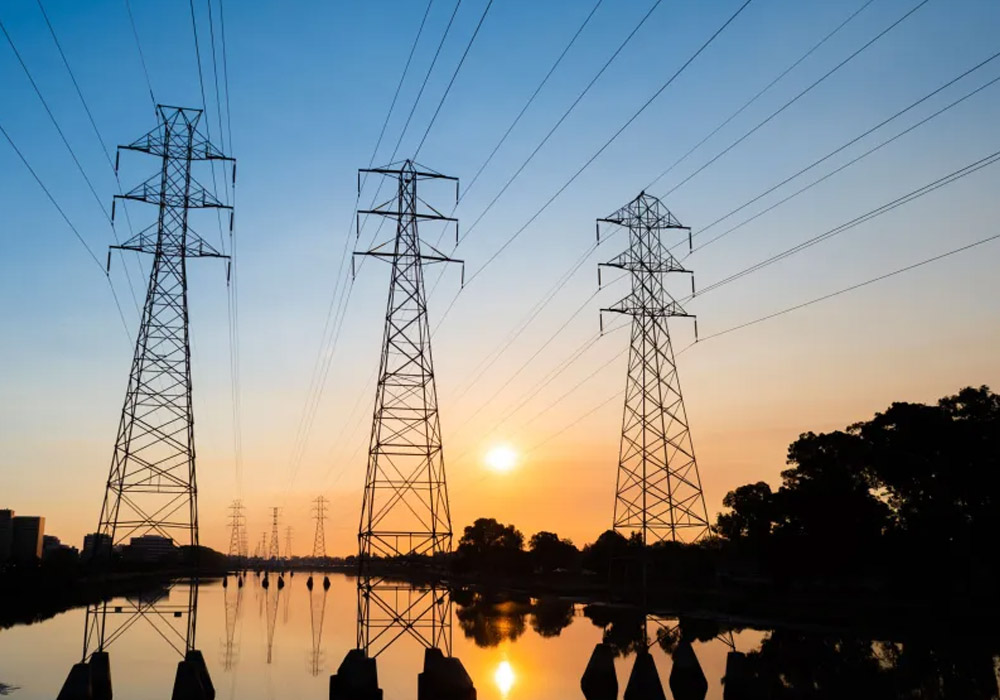
At the same time, much of the nation’s electrical grid is aging. Some transmission lines, transformers, and substations have been in service for decades. While utilities invest billions of dollars in upgrades, maintaining and modernizing such a vast network is a lengthy and expensive process.
How Does Weather Impact Grid Reliability?
Extreme weather remains one of the leading causes of outages. Hurricanes can knock down transmission towers and power lines across entire regions. Ice storms add tremendous weight to utility lines, causing them to snap or collapse. High winds can topple trees onto electrical infrastructure, while wildfires often force utilities to shut down power proactively to reduce fire risk.
Heat waves create a different challenge. During periods of extreme heat, air conditioning usage surges, placing additional strain on the electrical grid. If demand exceeds available capacity, utilities may implement rolling blackouts to prevent larger system failures.
Aging Infrastructure and Growing Demand
America’s power grid was built over many decades, and some components are reaching the end of their intended lifespan. While utilities perform regular maintenance and replacement projects, infrastructure deterioration can increase the risk of failures.
Population growth and technological advancements have also increased electricity demand. Modern households rely on more connected devices than ever before, including smart appliances, home offices, electric vehicle chargers, and advanced entertainment systems.
Businesses are equally dependent on uninterrupted power. Data centers, healthcare facilities, manufacturing plants, and logistics operations require reliable electricity to function effectively. As demand grows, utilities must balance system reliability with expanding energy needs.
Investments in grid modernization are helping address these challenges. Smart grid technologies, automated monitoring systems, and advanced sensors can identify problems more quickly and improve restoration times after outages.
Regional Differences Across the Country
Not all parts of the United States experience outages at the same rate. Certain regions face unique risks based on geography and climate.
The Gulf Coast and Southeast are particularly vulnerable to hurricanes and tropical storms. Western states often contend with wildfire-related power disruptions and extreme heat. Northern regions may experience outages caused by snowstorms and ice accumulation.
Urban areas generally benefit from more robust infrastructure and faster restoration resources, although they are not immune to major outages. Rural communities can sometimes face longer restoration periods due to greater distances between utility assets and repair crews.
Understanding local outage risks can help homeowners make informed decisions about emergency preparedness and backup power solutions.
The Economic and Personal Costs of Outages
Power outages can have far-reaching consequences beyond simple inconvenience. For households, blackouts can lead to food spoilage, heating or cooling disruptions, security concerns, and communication challenges.
Businesses may experience lost revenue, operational disruptions, equipment damage, and productivity declines. In industries that depend heavily on continuous power, even brief outages can result in significant financial losses.
Healthcare facilities and critical infrastructure providers must maintain backup power systems to ensure essential services remain available during emergencies. This growing focus on resilience has contributed to increased interest in generators and alternative energy solutions.
What the Future May Hold
Experts generally agree that the electric grid faces increasing pressure from a combination of weather events, infrastructure challenges, and rising demand. However, significant efforts are underway to improve reliability.
Utility companies continue to invest in transmission upgrades, underground power lines, vegetation management programs, and advanced monitoring technologies. Renewable energy sources, battery storage systems, and microgrids may also play a larger role in supporting grid resilience in the future.
Consumers are becoming more proactive as well. Backup generators, home battery systems, and energy-efficient technologies can help reduce the impact of outages when they occur.
Preparing for a Less Predictable Future
In many areas, the evidence points to yes, the U.S. is experiencing more power outages. Extreme weather, aging infrastructure, and rising electricity demand have all contributed to an increasing number of disruptions. While utilities are making substantial investments to strengthen the grid, outages remain an ongoing concern for millions of Americans.
For homeowners and businesses alike, understanding local risks and preparing in advance can make a significant difference when the lights go out. As power reliability continues to be a national conversation, resilience and preparedness will remain key priorities for communities across the country.