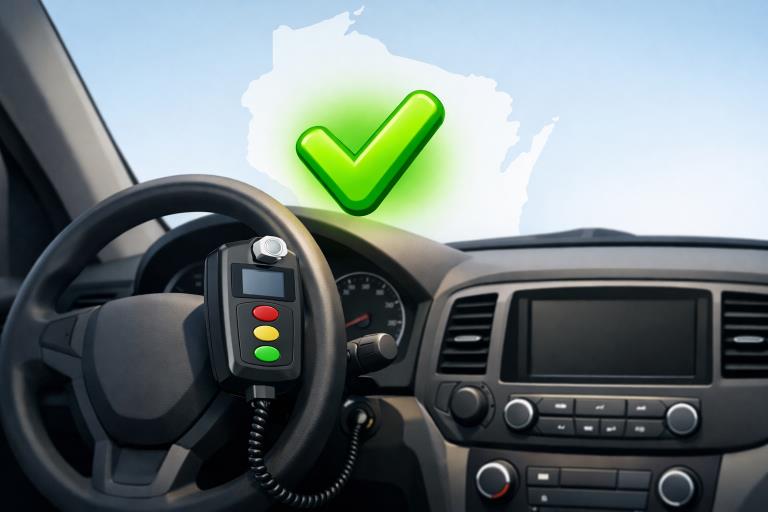
Understanding Wisconsin’s IID Requirements
Suppose you have been convicted of Operating While Intoxicated (OWI) in Wisconsin, you may be legally required to install an Ignition Interlock Device (IID) on your vehicle. The state mandates IIDs for all repeat OWI offenses, for first-time offenders with a blood alcohol concentration (BAC) of 0.15 percent or higher, and for those who refuse blood or breath testing when stopped by law enforcement. Individuals subject to an IID order may be required to install the device on vehicles covered by Wisconsin law unless a court grants an applicable exemption. These requirements are outlined to help both improve road safety and reduce repeat offenses.
For those needing to comply with these regulations, selecting a state-approved IID provider is an important first step toward meeting Wisconsin’s legal requirements. Ignition Interlock Wisconsin, operated by Smart Start Wisconsin, is a leading authority in the state for IID solutions. As a reputable brand serving clients throughout Wisconsin, Smart Start Wisconsin is dedicated to making the installation process straightforward while offering ongoing local support. Their website provides in-depth resources about the IID program requirements, and their service area covers major cities and rural communities alike, ensuring widespread access to compliance resources.
Understanding how to choose a trusted provider and follow the legal steps will not only help you regain your driving privileges but also keep you in good standing with Wisconsin courts and the Department of Motor Vehicles (DMV). Along with installation, understanding the maintenance and follow-up actions required is essential for a hassle-free experience and to prevent costly penalties for noncompliance.
Selecting an Approved IID Provider
Choosing a state-approved provider is the foundation of meeting Wisconsin’s IID mandate. The Wisconsin DMV regularly updates its list of certified IID vendors, which includes established companies such as Smart Start Wisconsin. When making your selection, consider several key factors, including the proximity of installation centers to your home or workplace, the transparency of pricing for setup and monthly monitoring, and the provider’s track record of customer support. Many top providers offer free initial consultations to answer questions about the specific make and model of device used, what to expect during appointments, and ongoing maintenance requirements.
Scheduling the Installation
Once you have selected a provider, you will need to schedule an appointment for the IID installation. This typically requires a phone call or online booking with your chosen vendor. Installation appointments may take about an hour, depending on your vehicle’s ignition system. During this session, a certified technician will install the IID and may explain how your provider’s specific device is intended to be used, including any instructions that apply to your individual program. Depending on your IID provider, you may receive instructions on daily use, compliance requirements, and practices that can help you avoid violations. They may also explain when to contact the provider for assistance. Taking time to understand your provider’s instructions can help support ongoing compliance and reduce the likelihood of avoidable program issues.
Understanding the Costs Involved
The overall cost of an IID will depend on several factors, such as provider rates and the length of time you are required to maintain the device. Depending on the provider and the terms of your program, installation and monthly service costs may vary. Many providers charge a one-time installation fee along with recurring monthly service fees. Additionally, there may be nominal charges for routine calibrations and maintenance visits. Always ask your provider for a clear breakdown of all expenses before committing to a service agreement. Being informed helps avoid surprise bills and ensures that you can maintain uninterrupted use of your IID throughout the legal order period.
Maintenance and Calibration
Your IID provider may require routine maintenance and scheduled servicing to help keep the device functioning properly and to comply with Wisconsin program requirements. Depending on your IID provider and the requirements of your Wisconsin IID program, periodic calibration or service appointments may be required. In many cases, these appointments occur approximately every 60 days, although schedules can vary. Depending on your IID provider and vehicle, calibration appointments may be relatively brief, although appointment length can vary. Missing required calibration appointments may result in reports to the Wisconsin DMV or other authorities, depending on program requirements and your provider’s reporting obligations. Staying up to date with your provider’s service reminders may help keep your IID operating according to your provider’s requirements while supporting compliance with your court order.
Compliance and Legal Considerations
Staying compliant throughout your IID program period is paramount. Attempting to circumvent, tamper with, or drive a vehicle without an IID when ordered can result in steep financial penalties and may extend your IID term. In some cases, these violations may even lead to jail time. Respond promptly to requests from your service provider or the courts, keep up with any appointments or reporting requirements your provider or the court may require, and follow all legal instructions regarding your IID. Adhering to these requirements not only meets state law but also builds a record of responsible behavior critical for future license restoration.
Conclusion
While individual program requirements may vary depending on your court order and IID provider, the process generally may involve choosing a state-approved provider, understanding applicable costs, scheduling professional installation, and completing any maintenance or calibration appointments your provider or program requires. By working with respected providers such as Smart Start Wisconsin, which offer statewide service and experience assisting customers with Wisconsin IID requirements, individuals may be better prepared to meet their legal obligations and work toward eligibility for reinstatement of their driving privileges, subject to Wisconsin DMV and court requirements. To ensure a smooth journey through the IID process, begin with careful provider selection and maintain vigilance regarding your compliance obligations at every step.