Replacing your old windows is one of the most impactful ways to boost your home’s energy efficiency, comfort, and curb appeal. In West Springfield, MA, taking a smart, budget-conscious approach can help you balance both quality and savings. If you’re thinking about window replacement and installation, understanding the right strategies and planning your project carefully pays off in the long run.
From knowing how different materials affect pricing to utilizing rebates and timing your purchase, there are several steps you can take to make window replacement more affordable. This guide breaks down each key aspect, giving West Springfield homeowners a clear path to replacing their windows without overspending.
Along with expected costs, you’ll also learn about obtaining multiple estimates, exploring financing, and evaluating whether DIY installation is the right move. Each of these factors can help ensure you get the best value for your budget.
Let’s dive into practical steps that set you up for a successful, cost-effective window replacement project, maximizing both your investment and your home’s comfort.
Understanding Cost Factors
Window replacement costs are shaped by several elements, making it vital to understand each before you start your project. On average in the United States, replacing a window costs about $600, though prices typically range from $300 to $1,000 or more per window depending on your choices and location. Key factors include window size (larger windows cost more), type (single-hung, double-hung, casement, etc.), frame material, and how complex the installation will be. Regional labor rates and whether you are installing standard or custom windows contribute to the final price tag. Reliable resources like Forbes Home can help you benchmark typical costs for your region.
Choosing the Right Materials
The selection of frame material has a major impact on both upfront cost and long-term maintenance. Vinyl windows are the most budget-friendly and generally cost $300 to $600 per window, while being energy efficient and requiring little upkeep. Wood frames deliver a timeless aesthetic and excellent insulation, but average between $500 and $1,000 per window and need regular upkeep to prevent rot or warping. Fiberglass, while less common and priced between $500 and $900, provides superior durability and good insulation performance. Aluminum frames are sturdy and offer a slim profile, but typically aren’t recommended for cold climates due to their low insulation properties.
Timing Your Purchase
The time of year you choose to schedule your window replacement can directly influence your costs. Most contractors experience a slowdown during late fall and early winter, so they may offer incentives or discounts during these quieter months. Additionally, ordering materials or booking installation services in advance can help you lock in current rates ahead of potential price hikes, which often occur in early spring.
Exploring Financing Options
Window manufacturers and contractors frequently offer a variety of financing plans to help homeowners manage costs over time. These can include 0% APR promotional periods or long-term installment options through reputable lenders. The Inflation Reduction Act also introduces new energy-efficiency rebates set to become available in 2025, which could offset $200 to $600 for energy-saving improvements, including windows. For more information about maximizing these incentives, review guidance from official government sources or detailed breakdowns from Energy.gov.
Leveraging Energy Efficiency Rebates
Investing in modern, energy-efficient windows can lead to noticeable annual savings on your utility bills, especially if you currently have single-pane or older double-pane units. Upgrading to ENERGY STAR-certified windows saves most households between $125 and $465 per year, according to climate and window type. Not only do these savings help offset the initial investment, but they also improve your home’s comfort by reducing drafts and helping maintain a more stable indoor temperature throughout the year.
Obtaining Multiple Quotes
Requesting quotes from both large national brands and trusted local installers is crucial for ensuring you get the best deal possible. Pricing can vary widely even within the same geographic area; studies show a typical pricing variance of 40 to 60 percent between contractors. By comparing itemized bids, you gain negotiation power and a better understanding of the scope of work being proposed. Look for verified reviews on third-party websites and ask each contractor about their experience with homes and window types like yours.
Considering DIY Installation
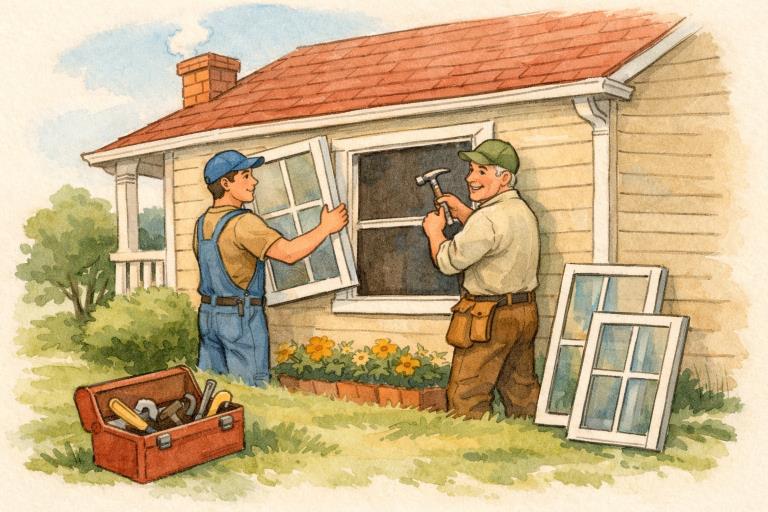
Those with a strong background in home improvement might save several hundred dollars in labor costs by handling window replacement themselves. However, DIY installation is not for everyone. Mistakes can lead to poor insulation, leaks, or even voided window warranties. If you opt to do it yourself, carefully follow manufacturer instructions and consider seeking guidance through online tutorials or home improvement forums.
Maintaining Your New Windows
After investing in new windows, simple steps can extend their lifespan and maintain their efficiency. Clean the glass and frames regularly, check seals for any gaps or damage, and address issues such as difficulty opening or drafts promptly. Regular upkeep prevents costly repairs and ensures your windows provide maximum comfort and energy savings for years to come.
By applying these budget-friendly strategies, homeowners in West Springfield, MA can take the guesswork out of window replacement and enjoy an efficient, attractive, and affordable upgrade to their property.