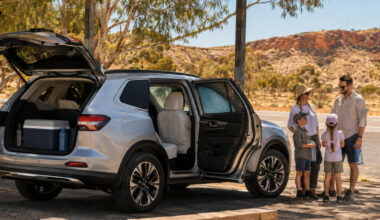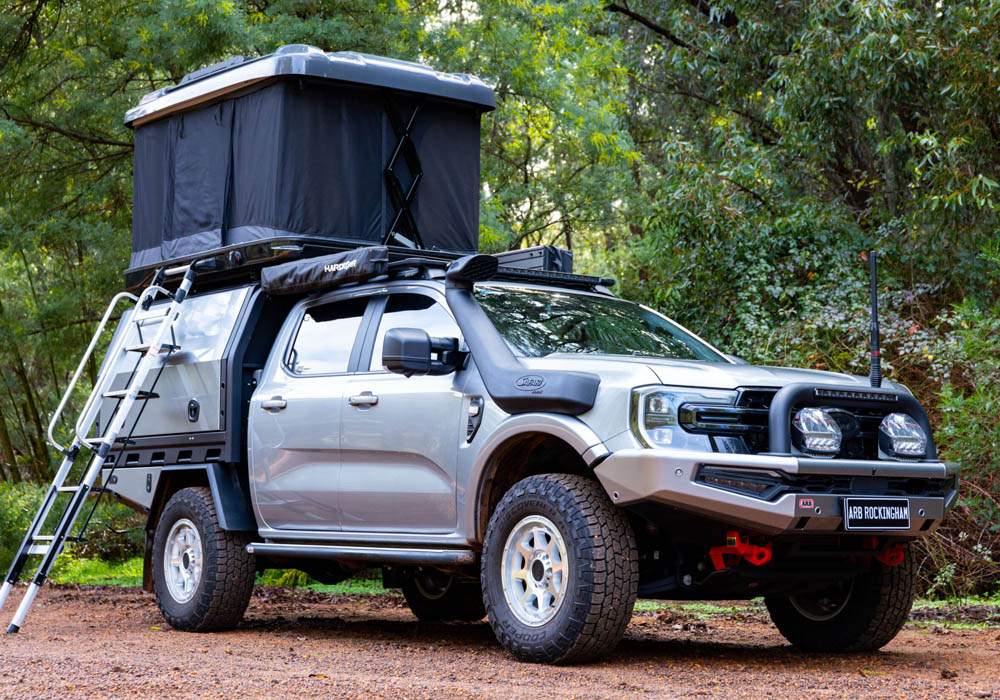
Dual-cab utes are undeniably the backbone of Australian roads. Models like the Ford Ranger and Toyota HiLux have held their ground through 2025 as the ultimate dual-purpose vehicles. They serve tradespeople tirelessly during the working week and transform into capable family haulers for weekend camping trips. However, using the same vehicle for a busy construction site and a rugged 4×4 track presents a unique set of challenges. Tossing everything loosely into an open tray creates security risks, compliance issues, and general chaos. Upgrading your storage setup is the most effective way to protect your gear and streamline your daily routine.
Security First: Protecting Your Livelihood
Tool theft has reached alarming levels across the country. Recent data from the Crime Statistics Agency in Victoria revealed that over $40.8 million worth of hand and power tools were stolen from vehicles and properties in the year ending June 2025. Nationally, the Australian Bureau of Statistics notes that tools now account for 15 percent of all reported vehicle thefts. The true cost of this crime goes far beyond retail replacement value, as victims suffer compounding financial losses from stalled projects, lost wages, and delayed customer timelines while waiting for new equipment.
Furthermore, the BizCover Business Theft Report 2025 identified tools as the second-most-stolen item for trades businesses. To combat this, most insurance policies now strictly mandate that gear be kept in a fully enclosed, securely locked space. A soft tonneau cover or an open tray will simply not cut it for an insurance claim. Adding a heavy-duty underbody toolbox is an incredibly practical way to secure your gear. By utilising the dead space beneath the tray behind the rear wheels, you can keep muddy recovery tracks or expensive power tools locked away permanently while leaving the main cargo area completely free for larger building materials.
Balancing Payload and Staying Legal
Storing gear securely is only half the battle. Australian police and the National Heavy Vehicle Regulator have increasingly cracked down on overloaded rigs at roadside weigh stations. These checks reveal that an alarming percentage of touring and work vehicles are operating dangerously over their legal Gross Vehicle Mass. With the rapid rise of plug-in hybrid electric utes adding heavy battery weight to the vehicle’s base, calculating your safe payload capacity is more critical than ever before.
Proper weight distribution directly impacts vehicle safety on the road. According to the National Transport Commission’s official Load Restraint Guide for Light Vehicles 2018, a load must be positioned to keep the vehicle’s centre of gravity low and close to the centre-line to maintain proper stability, steering, and braking. The same guidelines stipulate that load restraint systems must withstand physical forces equal to 80 percent of the load’s weight forwards, 50 per cent sideways, and 20 per cent upwards. Securing heavy items in low, bolted-down aluminium storage boxes meets these safety requirements perfectly without adding unnecessary bulk to your rig.
Practical Tips for a Dual-Purpose Setup
Transitioning smoothly from a weekday worksite to a weekend getaway requires a modular, well-thought-out approach to your tray space. You need a system that holds your equipment firmly in place without requiring you to unpack the entire vehicle just to find a single wrench or snatch strap.
Consider the following strategies when upgrading your utility vehicle storage configuration:
- Keep it accessible: Place frequently used items near the sides or rear of the tray so you do not have to climb inside the vehicle multiple times a day.
- Separate clean and dirty zones: Use dedicated compartments for greasy automotive tools or muddy off-road gear, ensuring they do not ruin your camping supplies or family luggage.
- Monitor the scales: Always factor in the combined weight of your permanent storage boxes, full fuel tanks, drivers, and passengers to ensure you stay well within legal payload limits.
- Bolted is better: Neighbourhood Watch Australia strongly advises tradespeople to deter theft by using lockable boxes that are bolted directly to the vehicle chassis rather than simply strapped down.
A well-organised tray prevents heavy, loose items from causing structural damage or becoming a severe hazard during sudden stops. To complement these physical upgrades, establishing strong habits is just as important. Exploring the latest tips in this Automobile section can help business owners and weekend adventurers alike maintain their vehicles effectively and adopt safer driving practices year-round. Taking the time to optimise your storage now will save you countless headaches, protect your valuable assets, and keep you ready for whatever the week throws your way.