When you plan a project, you plan the work. The digging, the building, the laying, the thing you’re actually trying to achieve. What tends to slip everyone’s mind is that the work produces and consumes an enormous amount of heavy material, and all of that material has to get from where it is to where it needs to be, notes Limestone Country Properties solutions. Soil comes out of the ground and has to go somewhere. Aggregate, base material, and fill have to come in. Rubble accumulates and has to leave. None of it moves itself.
This is the part of a job that quietly causes trouble, precisely because it’s the part nobody plans for. People focus so completely on the visible work that the logistics of shifting tonnes of material get treated as an afterthought, something to sort out on the day. Then the day comes, the material is heavier and more voluminous than anyone reckoned, and the whole project slows to the pace of moving it. Understanding this in advance, and planning for it, is one of those unglamorous things that separates a job that flows from one that bogs down. Here’s what’s actually involved.
The Material a Project Moves Is Heavier Than You Think
The first miscalculation is almost always about quantity and weight. Material like soil, spoil, aggregate, and rubble is dense, and the amounts a project generates or requires consistently exceed what people picture when they’re planning. A modest excavation produces a startling volume of spoil, because earth that was compacted in the ground expands once it’s dug out and takes up considerably more space loose than it did in place.
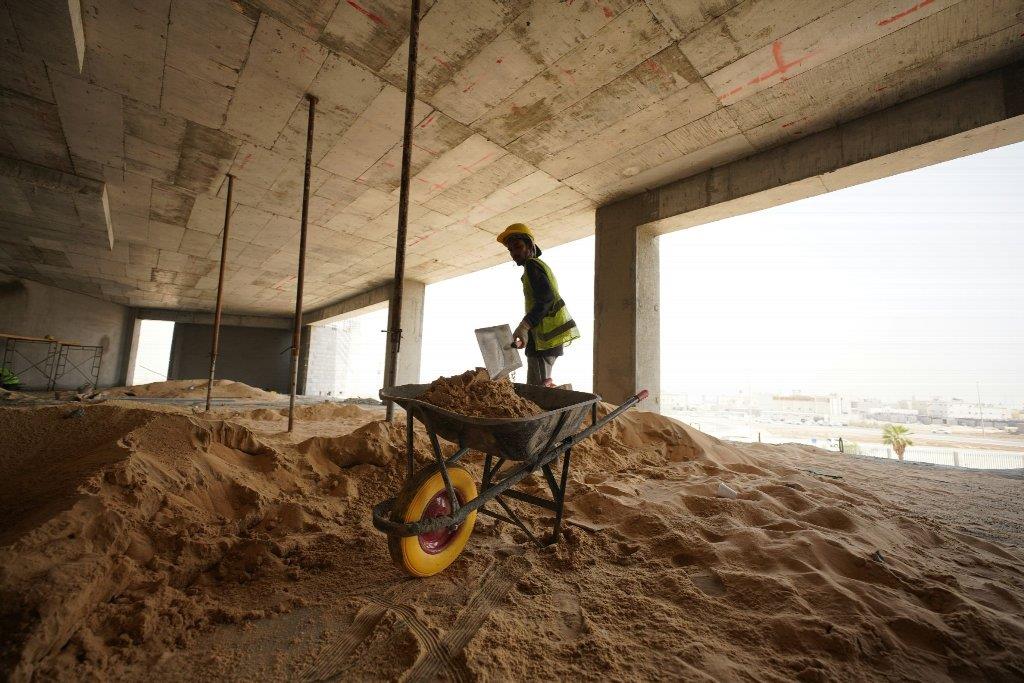
Weight is the bigger surprise. These materials are heavy in a way that’s easy to underestimate until you’re actually trying to move them, and the tonnage involved in even a fairly ordinary job can be substantial. A pile of soil or rubble that doesn’t look like much can weigh more than people expect by a wide margin, and that weight is what makes moving it a genuine task rather than a quick bit of carrying. Whether you’re getting material off the site or bringing it on, the combination of volume and weight means you’re dealing with far more than the eye suggests. Grasping the true scale upfront is the first step to planning the movement properly, because a plan built on an underestimate falls apart the moment the real quantities appear.
Why Moving It Is Its Own Problem
Once you’ve accepted how much heavy material is involved, the difficulty of moving it becomes obvious. This is not something you can shift in the back of a car or a small trailer at any sensible pace. Heavy material needs appropriate transport, and trying to move it with whatever’s to hand turns into an endless series of trips that eat time you didn’t budget and effort you didn’t anticipate. People who underestimate the volume often find themselves making run after run, and the moving takes longer than the work it was meant to support.
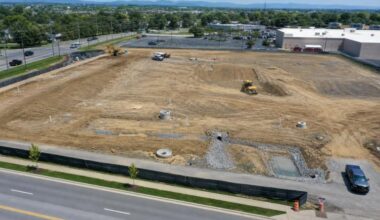
There’s also the problem of material sitting where it shouldn’t. Spoil that’s been excavated but not removed piles up on site, and those heaps block access, occupy space you need, and get in the way of the actual work. Material waiting to be brought in causes its own bottleneck if it can’t be moved into position efficiently. Either way, material that isn’t moving when it needs to move becomes an obstacle, and a project surrounded by heaps it can’t shift stalls regardless of how well the rest is going. The moving isn’t a trivial add-on to the work. It’s a logistical challenge in its own right, and treating it as one is what keeps it from derailing everything else.
Getting the Right Equipment for the Job
The fix for all of this is straightforward, which is matching the transport to the material. Moving significant volumes of heavy soil, spoil, or rubble efficiently needs equipment built for the job, capable of carrying real weight and shifting it in far fewer trips than any improvised approach. Get the right transport and what was a bottleneck becomes a smooth, quick part of the process. Get it wrong and you’re back to the endless small runs that swallow your schedule.
For moving heavy loads on and off a site, arranging Sydney tipper hire or the equivalent wherever you’re working is what makes this manageable, since a tipper is designed precisely for carrying and depositing large quantities of heavy material quickly and efficiently. Rather than struggling with unsuitable vehicles and multiplying your trips, you move the volume you actually have in the loads it actually requires. Sizing the transport to the job matters too, since material that comes in one type of load may need a different capacity than what’s going out, and matching the equipment to both the weight and the volume is what keeps the movement efficient. It’s a simple principle, use the right tool for the load, but it’s the difference between material flowing off and onto the site and material becoming the thing that holds everything up.
Timing the Movement to Keep the Job Flowing
Having the right equipment is half of it. The other half is timing, because when material moves matters as much as how. A project has a sequence, and the material movement needs to fit that sequence so the site stays clear and workable throughout rather than getting choked at the wrong moment. Material arriving before there’s space for it, or spoil accumulating faster than it’s removed, both create the heaps that block progress.
Coordinating the movement means thinking about when excavated material needs to leave so it isn’t piling up, and when incoming material needs to arrive so it’s there when required but not before. Getting this rhythm right keeps the site flowing, with material moving off and on in step with the work rather than in disruptive surges. It’s the kind of planning that’s invisible when it’s done well, because the job simply proceeds without ever being blocked by its own material, and painfully obvious when it isn’t, because everything grinds to a halt around heaps that should have been dealt with. Thinking about the sequence in advance, rather than reacting as heaps appear, is what keeps a project moving at the pace of the work instead of the pace of shifting material.
Planning the Logistics From the Start
The overarching lesson is simple. Treat the movement of material as a planned part of the job from the very beginning, not as something to improvise once the heaps appear. When you’re planning a project, work out how much material you’ll be moving, in both directions, and arrange the right transport and the right timing to handle it before you start. That bit of forethought is what stops the logistics from becoming the thing that derails your schedule and your budget.
It’s the least exciting part of planning and one of the most consequential, because a project that has thought through its material movement flows smoothly, while one that hasn’t spends its time fighting its own spoil and waiting on loads. The work itself gets all the attention, but the quiet logistics of shifting soil and rubble are what let that work happen without interruption. Plan the moving as carefully as you plan the building, get the right equipment lined up, and sequence it to keep the site clear, and you remove one of the most common and most avoidable causes of delay. The part nobody plans for is exactly the part that rewards planning most.