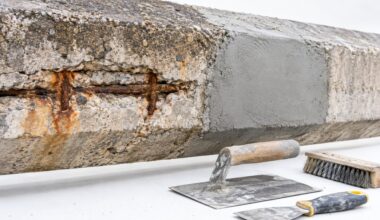
In Sydney, a small ceiling stain, a damp balcony edge, or a persistent musty smell can be an early warning that water is moving through parts of a building where it should not be. For strata committees, facility managers, owners, and building teams, responding early can preserve finishes, reduce disruption, and create more options for planned repairs. For complex residential, strata, commercial, and industrial properties across Sydney, building waterproofing is a specialist area that should address water entry, drainage, membranes, flashing, and vulnerable building junctions as a single, integrated system. BIM Sydney provides remedial building services for Sydney properties, including waterproofing solutions for roofs, balconies, windows, walls, wet areas, and basements, making its project-focused experience relevant when moisture concerns extend beyond a simple maintenance task.
Why Small Moisture Issues Need Early Attention
Water damage is often easier to see than to trace. A visible mark may be some distance from the original entry point because water can travel along framing, slabs, service penetrations, or ceiling cavities. Left unresolved, moisture can contribute to mould growth, peeling coatings, damaged plasterboard, swollen flooring, timber deterioration, and corrosion around metal components. Early investigation matters because moisture risk is influenced by more than a single crack or leak. Rain exposure, drainage, ventilation, material selection, construction detailing, and maintenance can all affect how a building manages water. Research into moisture resilience in building envelopes also highlights that junctions, openings, roof penetrations, and wall bases often deserve close attention.
Common Sources of Moisture in Sydney Buildings
Sydney properties can face wind-driven rain, coastal exposure in some suburbs, heavy downpours, humid conditions, and the ordinary wear of busy multi-residential and commercial spaces. Common moisture sources include:
- Damaged roof coverings, flashings, skylights, and service penetrations.
- Blocked gutters, downpipes, drains, and balcony outlets.
- Failed sealant around windows, doors, façade joints, and service openings.
- Cracks in external finishes, slabs, balconies, or masonry.
- Hidden plumbing leaks behind walls, beneath floors, or inside ceilings.
- Poor falls that allow water to pond against walls, thresholds, or drains.
- Condensation caused by high indoor humidity or inadequate ventilation.
- Defects at corners, wall bases, movement joints, and floor-to-wall junctions.
A Practical Moisture Inspection Routine
A repeatable inspection process helps teams spot changes before they become emergency work. Use the same route and record observations consistently.
- Walk the exterior. Check roofs where safely accessible, gutters, balconies, façade joints, windows, drains, and visible cracking.
- Inspect interior surfaces. Look for water stains, bubbling paint, peeling finishes, mould, warped flooring, loose tiles, and swollen skirting boards.
- Use sight and smell. Note musty odors, condensation, unusually cold surfaces, or areas that remain damp after rain.
- Compare locations. Match an internal symptom to the nearby roofline, wet area, balcony, external wall, or drainage point.
- Document the evidence. Take dated photographs and record the weather, room, surface, and whether the issue is new or recurring.
- Escalate hidden problems. Arrange a suitable professional assessment where the source is unclear, damage is spreading, or finishes may need to be opened.
High-Risk Areas That Deserve Closer Checks
Wet Areas
Bathrooms, laundries, kitchens, and plant rooms are frequently exposed to water. Inspect shower corners, drains, taps, penetrations, floor-to-wall junctions, grout, sealant, and movement joints. Failed grout or sealant may be a visible maintenance issue, but it does not by itself confirm the condition of a concealed waterproofing system.
Balconies and External Living Areas
Balconies should drain freely and direct water away from door thresholds and walls. Check for ponding water, cracked finishes, failed joints, deteriorated sealant, blocked outlets, and staining or concrete distress on the area below. Balconies are particularly important in strata buildings because a leak can affect multiple lots or common property areas.
Roofs, Windows, and Building Envelopes
Inspect flashings, parapets, roof penetrations, skylights, window heads, sills, cladding joints, and interfaces between different materials. Moisture often enters at small transitions rather than through a broad wall or roof surface. Effective flashing, sealing, drainage, and ventilation should work together.
Warning Signs Not to Ignore
- Persistent musty odors or new mould growth.
- Water stains on ceilings, walls, or around window openings.
- Peeling, blistering, or bubbling paint.
- Loose tiles, cracked grout, or deteriorated sealant.
- White powdery deposits on masonry.
- Soft timber, swollen flooring, or damaged skirting.
- Rust around fixings, balustrades, or building services.
- Water that remains after rain, washing, or normal use.
These signs can show the result of moisture rather than its source. Painting over a stain, cleaning mould, or applying more sealant may temporarily improve the appearance, but the problem can persist if water entry, trapped moisture, or poor drainage remains.
Build a Preventive Maintenance Plan
Property teams can adapt the following schedule to the building’s age, design, exposure, and known problem areas:
- Monthly: Check wet areas, visible plumbing, drains, plant rooms, and signs of leaks or mould.
- Before forecast heavy rain: Clear debris from gutters and drainage paths, and inspect obvious roof and balcony drainage points.
- After significant rain: Look for fresh stains, ponding, damp odors, water movement, and new leaks.
- Every six to twelve months: Review balconies, sealants, façades, roofs, membranes where visible, and recurring issue locations.
- After renovation work: Confirm that drainage, penetrations, seals, and wet-area protection have not been compromised.
Keep a central record containing inspection notes, dated photos, reports, invoices, warranties, and product details. Patterns are useful. A stain that appears after heavy rain may require a different investigation than one caused by dampness that develops after showering or during humid periods.
Choose a Response That Matches the Risk
- Minor and isolated: Document it, monitor it, and arrange a prompt maintenance repair.
- Recurring: Investigate the entry point instead of repeating cosmetic patching.
- Hidden moisture: Seek professional advice before removing finishes or undertaking invasive work.
- Widespread mould or material damage: Address the moisture source first and use appropriately qualified professionals.
- Strata or commercial concerns: Coordinate records, access, approvals, and scope with the relevant manager, consultant, and contractor.
Before waterproofing or remedial work begins, confirm the applicable approvals, standards, licensing, insurance, warranties, and project documentation. Preparation, detailing, compatible materials, drainage, curing, and maintenance all influence the performance of a completed system. Practical guidance on common waterproofing defects reinforces the value of careful installation and early attention to warning signs.
Frequently Asked Questions
How often should a building be checked for moisture problems?
Conduct regular visual checks, inspect before and after significant rain, and review known problem areas more closely. The appropriate frequency depends on the building’s condition, design, exposure, and maintenance history.
Can a musty smell indicate a hidden leak?
It can. A musty smell may be associated with trapped moisture, poor ventilation, condensation, or concealed water entry, so it is worth documenting and investigating.
Does mould always mean waterproofing has failed?
No. Mould can be linked to leaks, condensation, high humidity, inadequate ventilation, or maintenance issues. The moisture source should be identified before a repair approach is selected.
Conclusion
Moisture control is most effective when it is treated as an ongoing part of property care rather than a reaction to visible damage. Regular inspections, clear drainage paths, sound building details, adequate ventilation, reliable maintenance records, and early source-focused repairs can help Sydney property teams identify potential problems before they become more costly or disruptive. Paying attention to recurring damp patches, unusual odors, peeling finishes, and signs of water entering through roofs, walls, or windows can also help teams investigate issues sooner. By maintaining consistent inspection schedules and addressing the underlying causes of moisture, property managers can reduce avoidable disruption, support healthier indoor conditions, and protect the long-term condition of their buildings. A proactive approach also makes maintenance planning more organized and helps property teams prioritize repairs based on the building’s needs.