Idaho rewards drivers who are willing to slow down and read the terrain. A route that begins on a smooth gravel road can turn into loose volcanic rock, mud, snow, or a narrow forest track within the same day. That variety makes choosing and preparing off-road vehicles in Idaho less about finding one perfect machine and more about matching the vehicle to the places, people, and work it will actually serve.
This guide compares the major vehicle types, explains the features that affect trail performance, and covers preparation, access, and safe operation. Whether the goal is a weekend ride, a hunting trip, property work, or a longer backcountry outing, a thoughtful match will be more useful than a long list of impressive specifications.
Match the vehicle to Idaho’s varied terrain
Idaho’s terrain changes sharply across regions and seasons. High desert, mountain, forest, and snow-covered routes each place different demands on tires, gearing, suspension, and driver judgment. Before shopping, think about the surfaces you will encounter most often, the distances between trailheads and services, and whether the vehicle must also work on pavement.
High-desert trails, sand, and loose rock
High-desert routes often combine hard-packed dirt with sand, exposed stone, and abrupt ruts. A vehicle needs predictable throttle response and enough clearance to pass over embedded rocks without striking the center of the chassis. Loose surfaces also reward smooth inputs; spinning the tires can dig holes quickly and leave the vehicle less stable.
Look for underbody protection, durable tires, and a suspension setup that remains composed when the trail alternates between washboard and larger obstacles. Drivers should also carry more water than they expect to use, since shade and reliable services may be limited. The best off-road vehicles in Idaho are not necessarily the largest ones; they are the ones that remain controllable when the surface stops being consistent.
Mountain climbs, steep grades, and rocky obstacles
Mountain routes demand careful attention to weight, gearing, braking, and traction. A short wheelbase can help a vehicle negotiate tight changes in direction, while a longer wheelbase may feel more stable on a steep approach. Either way, the driver needs to know where the low points sit beneath the vehicle before committing to a ledge or deep rut.
Four-wheel drive is helpful, but it does not replace line choice or momentum management. Use a low range when appropriate, descend slowly, and avoid turning across a slope when a safer route is available. On technical ground, recovery planning matters before the vehicle becomes stuck, not after.
Forest roads, mud, and changing weather
Forest roads can look easy in dry weather and become deeply rutted or slick after a storm. Mud tends to conceal rocks, roots, and soft shoulders, while wet leaves can reduce grip on a slope. A vehicle used in this setting should have sealed vulnerable components where practical, useful ground clearance, and tires suited to both dirt and standing water.
Weather can change quickly in Idaho’s higher elevations. Check the forecast, but also plan for conditions that are colder and wetter than the trailhead suggests. Mud flaps, washable floor protection, and a way to clean the radiator or cooling openings can make a long day much easier on both the vehicle and its occupants.
Snow, cold temperatures, and shoulder-season conditions
Cold weather affects batteries, fluids, tire pressure, plastics, and the driver’s ability to make decisions. Snow can hide obstacles and narrow a route, while spring thaw may make a trail impassable even when the road looked firm a few weeks earlier. Confirm that the vehicle starts reliably in low temperatures and that its lighting remains effective during short winter days.
Carry clothing and supplies for a delay rather than only for the planned drive. If a route crosses areas with seasonal restrictions, verify access before leaving. A capable vehicle still needs a conservative turnaround point when snow depth, ice, or melting conditions exceed the equipment and experience available.
Compare the main types of off-road vehicles in Idaho
The right category depends on more than horsepower. Seating, width, storage, road use, maintenance, and the type of trail all shape the decision. A lightweight machine may be ideal for a narrow route, while a heavier vehicle may be the better choice for passengers, tools, or a remote camping load.
ATVs for narrow trails and technical terrain
ATVs are compact, maneuverable, and well suited to many narrow routes. Their straddled seating position gives the rider a direct sense of the terrain, but it also requires active body positioning and careful speed control. They are often practical where a wider vehicle cannot pass, provided the route is legally open to that vehicle type.
An ATV is less suitable when several passengers, substantial cargo, or long hours in poor weather are central to the trip. Riders should be honest about their experience and physical comfort. Technical terrain can demand frequent movement, and a machine that feels manageable for a short ride may become tiring over a full day.
UTVs for passengers, cargo, and longer trail days
UTVs provide a steering wheel, side-by-side seating, and more room for equipment than an ATV. They can be a strong fit for families, hunting gear, camping supplies, or work around a property. Their added size and weight, however, can limit access on narrow trails and increase the consequences of a poor line choice.
Compare seating, cargo capacity, protection from weather, turning radius, and service access rather than focusing only on engine output. A UTV that carries the planned load without being crowded is usually more useful than one chosen solely for peak performance. Check the intended routes carefully because “off-road” does not mean every vehicle fits every trail.
4×4 trucks and SUVs for roads, camping, and mixed use
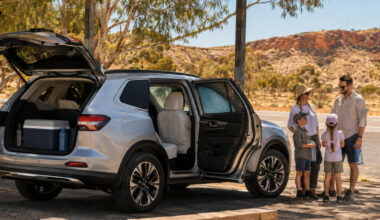
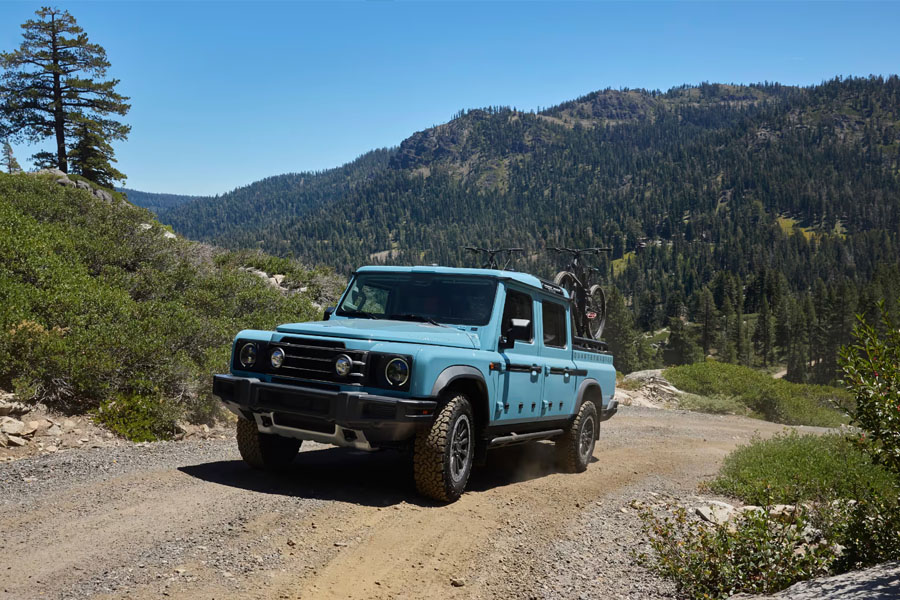
A 4×4 truck or SUV can connect pavement, gravel roads, dispersed camping areas, and moderate trails in one trip. It may also be easier to insure, service, and use for everyday transportation. The tradeoff is size: full-width vehicles may be difficult or impossible on narrow routes, and body damage can be expensive.
Consider approach and departure angles, cargo organization, tire availability, and recovery points. A truck bed or enclosed cargo area can be valuable in changing weather, but a tall vehicle may be less stable on a side slope. For mixed-use owners, the best choice often balances weekday practicality with the actual difficulty of the trails visited.
Dirt bikes for lightweight access and tight singletrack
Dirt bikes offer low weight, narrow dimensions, and a small turning radius. Those qualities make them effective on tight singletrack and routes where larger vehicles cannot maneuver. They also require more rider balance and provide little room for supplies, so preparation and physical endurance become part of the vehicle choice.
A bike should be matched to the rider’s experience, not just the trail’s reputation. Protective equipment, hydration, navigation, and a plan for a mechanical problem are especially important when riding alone is tempting. Riders should verify that the route permits motorbikes and should avoid widening a trail around an obstacle.
Side-by-sides built for recreation or utility work
“Side-by-side” is commonly used for several UTV configurations, from recreational machines with long-travel suspension to utility-focused models designed to carry tools. Distinguish the intended design before comparing models. A recreational setup may prioritize handling and comfort, while a utility version may offer a bed, towing equipment, or easier loading.
The distinction matters when choosing off-road vehicles in Idaho for both recreation and property work. Suspension, bed size, seating, and protection can all change the vehicle’s usefulness. If you are comparing utv dealers in idaho, bring a written list of tasks and trail widths so the conversation stays tied to your actual needs.
Evaluate the features that matter on Idaho trails
Specifications are useful only when they answer a real trail question. Clearance affects what can pass beneath the vehicle, width affects where it can go, and payload affects how it behaves when loaded. Evaluate those details together instead of treating one impressive number as proof that a vehicle fits your plans.
Ground clearance, wheelbase, and approach angles
Ground clearance helps protect the underside from rocks and ruts, but it is only one part of obstacle clearance. Approach, breakover, and departure angles determine how the vehicle meets a slope or crest. Wheelbase also matters: a longer vehicle may bridge a rut well but can high-center where a shorter one would pivot through.
Ask how the vehicle behaves with its normal load, not just in an empty showroom configuration. Skid plates, spare tires, passengers, and camping equipment can reduce usable clearance. A careful inspection of the lowest components often reveals more than a brochure’s maximum measurement.
Four-wheel drive, selectable modes, and traction control
Four-wheel drive can improve forward movement on loose or uneven surfaces, while selectable modes may change throttle, gearing, or traction behavior. These systems work best when the driver understands when to engage them and how they affect steering and braking. Electronic aids can help maintain momentum, but they cannot create grip where the surface has none.
Practice controls in a safe area before using them on a steep trail. Learn whether the system requires stopping, whether low range is available, and how to disengage it. Smooth operation generally protects the drivetrain better than repeated abrupt changes in throttle or direction.
Suspension travel, tires, and puncture resistance
Suspension travel helps keep tires in contact with uneven ground, but more travel is not automatically better for every use. Tire construction, sidewall strength, tread pattern, and correct pressure are equally important. A tire that works well on rocks may feel less precise on pavement, and an aggressive tread can increase noise and wear during road travel.
Carry a repair method suited to the vehicle and tire type. Inspect sidewalls after rocky rides and look for cuts, embedded debris, or unusual wear. The setup should reflect the terrain most often traveled, with compromises understood before purchase rather than discovered far from the road.
Towing capacity, payload, and storage needs
Payload includes occupants, tools, fuel, recovery equipment, and anything else placed in or on the vehicle. Exceeding it can affect braking, suspension, steering, and stability. Towing capacity also depends on the trailer, hitch arrangement, grade, and the condition of the surface.
Use the manufacturer’s ratings as limits, not targets. A practical storage plan prevents loose gear from becoming a hazard and keeps frequently used items accessible. For work vehicles, compare bed design and tie-down points; for recreational vehicles, consider how food, water, clothing, and emergency equipment will be protected from dust and rain.
Vehicle width and trail-access limitations
Width is one of the most consequential measurements for Idaho trail use. A vehicle may have adequate clearance and traction yet still be unable to pass between trees, gates, or rock features. Measure the vehicle with mirrors and accessories installed, then compare that figure with the route’s published restrictions where available.
The following quick comparison can help frame the tradeoffs before a test drive:
| Vehicle type | Main advantage | Common limitation | Typical planning question |
| ATV | Narrow access and maneuverability | Limited passenger and cargo space | Can the rider manage the terrain and load? |
| UTV or side-by-side | Passengers, cargo, and comfort | Greater width and weight | Does it fit the intended trail network? |
| 4×4 truck or SUV | Road travel and enclosed storage | Size and potential body damage | Is the route suitable for a full-width vehicle? |
| Dirt bike | Lightweight access and tight turning | Minimal storage and rider fatigue | Is the rider prepared to travel independently? |
The table is a starting point, not a substitute for checking the route. Confirm the vehicle’s real-world width, including mirrors and protective equipment, and think about how its turning radius will work in confined places. A slightly less capable machine that fits more trails can provide more usable access over a season.
Choose an off-road vehicle for your driving goals
A good purchase begins with a clear description of the work the vehicle will do. “Off-road use” could mean a short recreational loop, transporting equipment to a remote camp, or moving supplies around a ranch. Those uses involve different priorities, and combining them without ranking them can lead to an expensive compromise.
Weekend trail riding and recreational exploring
For casual trail riding, ease of use and predictable handling may matter more than maximum power. Think about how often the vehicle will be transported, how many people will ride, and whether the route includes technical obstacles or mostly maintained roads. Comfort becomes increasingly important when a day in the saddle turns into several hours.
A machine that encourages responsible exploration is often the better recreational choice. Leave room in the budget for protective equipment, registration, tires, and basic recovery supplies. Those costs affect how often the vehicle can actually be used.
Hunting, camping, and backcountry transportation
Hunting and camping add weight, distance, and quiet logistical demands. Storage, range, low-speed control, lighting, and the ability to carry a cooler or pack can matter more than acceleration. Consider how the vehicle will be loaded and unloaded, and whether it can reach the trailhead under its own power or needs a trailer.
Plan for a return trip with the same load. A vehicle that handles well empty may squat or feel unstable when carrying passengers and equipment. Keep noise, trail etiquette, wildlife, and land-management rules in mind while selecting routes and operating speeds.
Ranch, property, and utility tasks
Property work often favors a durable, easy-to-clean vehicle with useful towing and cargo capacity. Bed access, tie-down points, turning space, and the availability of replacement parts may matter more than recreational suspension tuning. If the vehicle will be used around livestock or buildings, predictable low-speed control is valuable.
Separate occasional trail use from daily utility demands. A specialized recreational vehicle may be enjoyable but awkward for hauling, while a utility-focused machine may be less comfortable on long rides. Write down the heaviest and most frequent tasks before comparing options.
Family outings and passenger comfort
Family use calls for secure seating, accessible controls, handholds, weather protection, and enough room for everyone to ride without crowding. Children and inexperienced passengers need clear safety expectations before the vehicle leaves the driveway. Comfort also includes manageable noise, vibration, and heat during longer trips.
Choose routes that match the least experienced person in the group. A spacious vehicle is not automatically safe if passengers are unrestrained or if the driver cannot maintain control on the terrain. Review the seating and restraint arrangement in person, especially when comparing different side-by-side layouts.
Vehicle recovery and remote-area readiness
Remote travel changes the value of every feature. A winch, recovery points, spare tire or repair kit, communication method, and dependable navigation can make a modest vehicle more useful than a powerful one without support equipment. Recovery gear must be rated for the vehicle and used with sound anchor and rigging practices.
Before a trip, tell someone where you are going and when you expect to return. Carry enough food, water, warmth, and lighting to manage an unplanned delay. A group should also agree on turnaround rules, because waiting until a vehicle is fully immobilized leaves fewer safe choices.
Prepare an off-road vehicle for Idaho conditions
Preparation should be proportional to the remoteness and difficulty of the route. Basic protection and maintenance help prevent small impacts or contamination from becoming major repairs. Add equipment gradually, testing each change so that extra weight, altered dimensions, or new controls do not create a different problem.
Protect the underbody, drivetrain, and vulnerable components
Inspect the oil pan, differential housings, steering components, brake lines, fuel system, and electrical connections before adding accessories. Skid plates can protect exposed areas, but they also need to be mounted securely and cleaned after muddy or rocky trips. Make sure added armor does not block service points or trap debris against hot components.
Check fasteners after the first few rides with new protection installed. Look for dents, leaks, loose wiring, and crushed breathers. Prevention is especially worthwhile in Idaho because a small underbody strike can become a serious issue when the vehicle is far from pavement.
Select tires and tire pressures for different surfaces
Tire selection should reflect the balance between pavement, gravel, rock, sand, and mud in the vehicle’s normal use. Pressure affects the contact patch and ride, but lowering it too far can unseat a bead or damage a rim. Follow the vehicle and tire maker’s guidance, and make controlled adjustments only when the terrain and equipment support them.
Carry a gauge that works in the field and check pressure when tires are cool. After changing pressure for a trail, restore an appropriate road setting before traveling at higher speeds. Inspect tread and sidewalls regularly rather than waiting for a puncture.
Add winches, recovery points, and essential gear
Recovery equipment should be selected as a system. The vehicle needs suitable recovery points, correctly rated straps or lines, gloves, and a way to protect trees or other anchors. A winch is useful only when the operator understands safe attachment, line direction, load limits, and how to keep bystanders clear.
A compact trail kit commonly includes:
- First-aid supplies and personal medications.
- Extra water, food, and weather-appropriate clothing.
- A tire repair kit, air source, tools, and spare fuses.
- A flashlight or headlamp, work gloves, and eye protection.
- A map or navigation backup and a dependable communication method.
Pack the kit so it stays secured but reachable. Check expiration dates and battery condition at the start of the season. The exact contents should change with the vehicle, group size, distance, and forecast.
Improve visibility, communication, and navigation
Good lighting helps the driver identify obstacles, but auxiliary lights should be aimed responsibly and used in a way that does not blind other trail users. Reflective markings and clean lenses are simple improvements. Keep a paper map or offline map available because cell coverage can disappear quickly in mountain and forest areas.
Communication planning is more than carrying a phone. Tell a contact the route and return time, and understand what device or service will work where you travel. If the group separates, establish a meeting point and a procedure before starting the ride.
Build a maintenance routine for dust, mud, and water
Dust can shorten filter life, mud can hide damage, and water can contaminate fluids or connectors. After a difficult trip, inspect the air filter, radiator openings, brakes, wheel bearings, fluids, belts, and underside. Use cleaning methods that remove debris without forcing water into seals, bearings, or electrical connections.
Record service dates and unusual noises rather than relying on memory. Pay attention to changes in steering, braking, vibration, starting, or drivetrain engagement. A small issue found at home is usually easier and cheaper to address than the same issue on a remote trail.
Understand Idaho trail access and OHV responsibilities
Access is part of vehicle selection. Idaho routes may cross public land, private property, roads, and areas managed under different rules. A responsible driver checks the current requirements and route status before departing rather than assuming that a visible track is open to every type of vehicle.
Check registration, permits, and current state requirements
Requirements can vary by vehicle category, ownership, location, and intended use. Check current Idaho agency information for registration or numbering, permits, equipment rules, and any exemptions that may apply. Keep required documents with the vehicle and confirm whether a trailer or roadway connection creates additional obligations.
Rules and fees can change, so older forum posts are not enough for trip planning. Use current state and land-manager sources, particularly when traveling near a boundary or during a change in season. Build this check into preparation just as you would check fuel and tire pressure.
Confirm whether a route allows your vehicle type
A route may be open to motorcycles but not wider UTVs, or it may permit certain vehicles only during a specified season. Width, length, weight, and road designation can all matter. Check maps, signs, and current notices at the access point, and do not treat an unofficial track as permission.
If the route description is unclear, choose a route with unambiguous access or contact the responsible land manager. Turning around before a restriction is easier than explaining an unauthorized entry after the fact. This habit also helps preserve future access for other riders.
Follow designated trails and land-management rules
Stay on designated routes and observe posted speed, camping, noise, and parking rules. Cutting around a muddy section can widen a trail and damage vegetation, while creating a new shortcut around a gate can affect access for everyone. Keep enough distance from other users to maintain visibility and control.
Land-management plans can differ even between nearby areas. Read signs at trailheads and carry a current map. When in doubt, the more conservative interpretation protects both the landscape and the opportunity to return.
Respect private property, seasonal closures, and fire restrictions
A public road can meet private property without an obvious visual boundary. Gates, fences, and signs should be treated as meaningful, not as obstacles to work around. Seasonal closures may protect wildlife, reduce erosion, or address unsafe conditions, while fire restrictions can affect camping, parking, and equipment use.
Check conditions shortly before departure because weather and fire status can change quickly. Never assume that a route open last year remains open today. Respectful choices reduce conflict with landowners and help keep trails available.
Practice low-impact riding and responsible trail etiquette
Responsible riding means using the least damaging line, controlling noise, and giving hikers, equestrians, cyclists, and other motorized users appropriate space. Slow down near camps, blind corners, and busy trailheads. Pack out everything you bring in, including damaged parts and food waste.
A few habits make a noticeable difference:
- Ride only on routes designated for your vehicle.
- Avoid wet ground when doing so would create deep ruts.
- Yield appropriately and communicate before passing.
- Keep pets, passengers, and loose gear secure.
- Report hazards or damage through the proper land-management channel.
These practices are not separate from having fun; they are what allow recreation to continue. A clean, narrow trail is a better experience for the next group and a sign that drivers are taking their responsibility seriously.
Buy and operate an off-road vehicle with safety in mind
The purchase decision and the operating plan should reinforce each other. A vehicle that is affordable to buy but difficult to service or transport may not remain affordable. Likewise, safety equipment and training should be treated as part of the vehicle budget rather than optional extras.
Inspect a used vehicle before purchase
A used off-road vehicle deserves a careful inspection for signs of hard impacts, neglected maintenance, water intrusion, and excessive wear. Check the frame or chassis, suspension mounts, steering, CV joints, differentials, brakes, cooling system, tires, and electrical connections. Look underneath for fresh leaks or cleaned areas that may be hiding a problem.
Ask for maintenance records and compare the odometer or hour meter with the condition of the controls and seat. Start it cold if possible, test four-wheel drive and other modes, and listen for unusual drivetrain noise. An independent inspection can be worthwhile when the purchase price is significant or the vehicle has extensive modifications.
Compare new-vehicle warranties, service, and parts support
A new vehicle’s warranty is only useful if its terms fit the intended use and nearby service support is practical. Ask what maintenance is required, which components are covered, how claims are handled, and how long common parts typically take to obtain. Confirm that the service department understands the type of terrain and use you expect.
When comparing utv dealers in idaho, evaluate the clarity of the answers as well as the advertised price. A written ownership estimate should include routine service, tires, transportation, accessories, and registration-related costs. If you encounter Switchback Motorsports while researching, use the same neutral questions and verify any model-specific details in the manufacturer’s documentation.
Carry protective equipment and vehicle-specific safety gear
Protective equipment should fit the rider and the vehicle. Helmets, eye protection, gloves, sturdy footwear, and clothing suited to weather and terrain reduce exposure to common hazards. Seat belts, doors or nets, handholds, and occupant restraints should be used as designed, with no loose cargo sharing the passenger space.
Add vehicle-specific items such as a fire extinguisher, tire tools, spare fuses, and recovery equipment when appropriate. Replace damaged protective gear and inspect restraints regularly. Safety equipment works best when it is comfortable enough to wear correctly for the entire ride.
Plan for breakdowns, changing weather, and limited cell service
A remote route needs a plan for the vehicle that stops moving and the weather that changes unexpectedly. Share the route, vehicle description, and expected return time with someone who is not on the trip. Carry enough supplies to wait safely, and know the limits of your communication equipment before leaving coverage.
Avoid overloading the plan with optimistic travel times. Build in daylight, route changes, and a conservative turnaround point. If a breakdown cannot be repaired safely, stay with the vehicle when practical, make your location known, and avoid turning a mechanical problem into a navigation or exposure emergency.
Know when local expertise or professional setup is worthwhile
Local experience can help identify common trail surfaces, seasonal access issues, and setup compromises that are difficult to see from specifications alone. Professional help is especially useful for suspension changes, electrical additions, winch installation, tire mounting, and diagnosing drivetrain or frame concerns. Ask for an explanation of what is being changed and why.
Use documented measurements and manufacturer limits when evaluating advice. A modification that works for one driver’s terrain may be unnecessary or unsuitable for another’s. The goal is a dependable vehicle that matches your use, not the longest accessory list.
Conclusion
Choosing among off-road vehicles in Idaho starts with the route and ends with responsible preparation. Match the vehicle’s size, traction, clearance, comfort, and carrying ability to the terrain and the people using it. Then confirm access rules, maintain the machine, carry recovery and emergency supplies, and leave enough margin for weather and the unexpected. That approach produces a vehicle you can use with confidence while helping protect Idaho’s varied trails.
Frequently Asked Questions
What type of off-road vehicle is best for Idaho trails?
There is no single best type for every Idaho route. ATVs and dirt bikes suit narrow trails, UTVs suit passengers and cargo, and 4×4 trucks or SUVs suit road-connected travel and mixed use. Choose based on trail width, terrain, passenger needs, storage, and how much pavement the vehicle will cover.
Are UTVs allowed on all Idaho OHV trails?
No. Access can depend on vehicle width, route designation, land-management rules, seasonal closures, and other restrictions. Check current maps, signs, and agency information for the specific route before traveling.
Do off-road vehicles need registration in Idaho?
Many off-highway vehicles require current state registration or numbering, but requirements and exemptions can depend on the vehicle and its use. Verify current rules through the appropriate Idaho state sources before operating on public or private land.
What should I carry on a remote trail ride?
Carry water, food, weather-appropriate clothing, first-aid supplies, navigation backups, communication equipment, lighting, tools, and a tire-repair method. Add recovery equipment suited to the vehicle and route, and tell someone your travel plan.
How should I prepare a used ATV or UTV for Idaho terrain?
Inspect the chassis, suspension, steering, drivetrain, brakes, tires, cooling system, and electrical components. Address leaks and worn parts, confirm that four-wheel drive and other systems work, and add protection or recovery equipment based on the routes you intend to ride.
Can a 4×4 truck replace a UTV for trail use?
Sometimes, but not always. A truck offers road capability and enclosed or larger cargo space, while a UTV may fit narrower routes and be easier to maneuver off pavement. Compare the vehicle’s actual width, turning radius, clearance, and intended access before deciding.
When should I avoid an Idaho trail?
Avoid a route when conditions exceed the vehicle, driver, or group’s ability to travel safely. Deep snow, unstable slopes, severe weather, extreme mud, closures, fire restrictions, or a lack of recovery and communication options are all good reasons to postpone or choose another route.