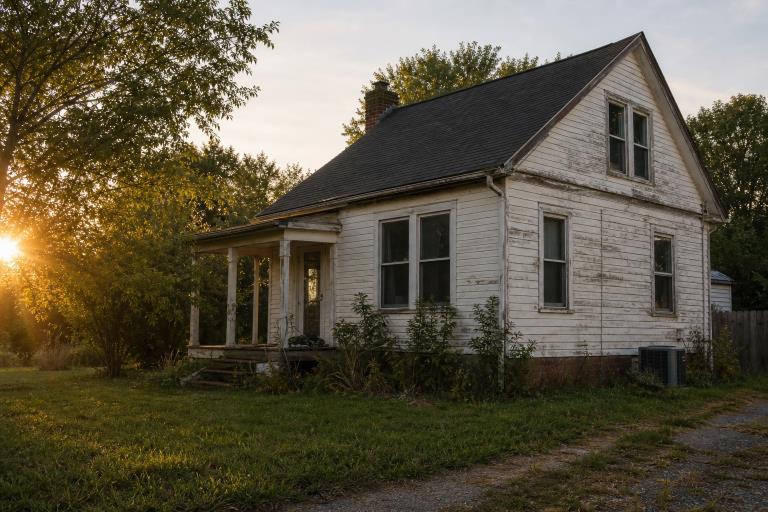
Selling a house as-is can be a practical solution when repairs, preparation, or a long listing timeline do not fit your situation. It does not have to mean accepting the first offer or making a rushed decision. Homeowners can still compare values, contract terms, closing dates, and expected proceeds before choosing a path.
For owners in Dundalk and nearby Maryland communities, reviewing local direct-sale options can provide a useful starting point alongside a traditional listing analysis. This resource at https://directmdcashbuyers.com/sell-my-house-fast-dundalk/ outlines one option for homeowners who want to sell without completing repairs first.
An as-is sale may work well for an inherited property, a vacant home, a house with deferred maintenance, or a situation involving a strict moving deadline. However, convenience can come with trade-offs, including a lower purchase price than a fully renovated home might bring on the open market.
The goal is not simply to find the largest number on an offer sheet. The stronger approach is to compare how much money you may receive after accounting for repairs, commissions, carrying costs, loan payoff amounts, and closing expenses.
Homeowners who need a quick house sale Maryland may benefit from getting more than one opinion and then comparing each option using the same financial and timing criteria.
What Selling As-Is Really Means
When a property is sold as-is, the buyer agrees to purchase it in its present condition. The seller generally does not promise to make cosmetic updates, replace aging systems, or complete repairs before settlement. Still, as-is does not automatically eliminate inspections, buyer negotiations, title concerns, or legal disclosure duties.
For example, worn flooring or outdated paint may only affect the price and buyer interest. A known foundation issue, water intrusion problem, or unsafe electrical condition can have much greater consequences if it is not handled accurately in the paperwork. Selling as-is is a condition-of-sale choice, not permission to hide known problems.
Why Homeowners Choose An As-Is Sale
People choose an as-is sale for many valid reasons. The home may need major work, the owner may lack funds for renovations, or the property may be difficult to maintain when vacant. Relocation, divorce, probate, debt, tax issues, foreclosure concerns, and inherited-home cleanouts can also make speed and simplicity more important than maximizing a potential listing price.
An as-is sale can reduce showings, contractor coordination, and uncertainty. On the other hand, buyers usually account for repair risk in their offers. The best choice depends on whether the convenience gained is worth the possible difference in proceeds.
Main Ways To Sell An As-Is Home
List The Property On The Open Market
A traditional listing can expose the home to a wider group of buyers and may produce stronger offers. It can also involve photos, showings, inspections, appraisal requirements, agent commissions, repair requests, and an uncertain timeline. Some buyers will purchase homes needing work, but financed buyers may face lender restrictions if the property has serious condition issues.
Sell Directly To A Cash Buyer
A direct sale may reduce the need for listing preparation and repeated showings. A cash buyer may be willing to purchase the property in its current condition and close on a flexible schedule. Before accepting, verify funds, read every contract term, and compare the offer with the home’s likely as-is market value.
Make Limited Repairs Before Selling
A middle path is to address safety issues and highly visible defects without undertaking a full renovation. Obtain multiple estimates and prioritize repairs that improve buyer confidence or remove financing obstacles. Expensive upgrades are not always recovered in the final sales price.
How To Decide If Repairs Are Worth It
Use a simple calculation before hiring contractors:
Expected Price Increase − Repair Cost − Extra Holding Costs = Possible Repair Benefit
Consider the time required, permits, insurance, utilities, storage, and the possibility that demolition or repairs reveal additional damage. If a $12,000 repair might increase the sale price by $15,000 but delay closing by three months, the actual benefit could be minimal after accounting for carrying costs and added risk.
Compare Net Proceeds, Not Just Offers
The highest offer is not always the best offer. Compare each route by asking:
- Who pays for repairs, credits, inspections, commissions, and closing fees?
- How much will taxes, insurance, utilities, mortgage payments, and upkeep cost while waiting to close?
- Does the buyer have financing, appraisal, inspection, or sale-of-home contingencies?
- Can the buyer cancel, renegotiate, or assign the contract to another party?
- What is the expected closing date, and how certain is it?
Sale Price − Mortgage Payoff − Repairs − Fees − Closing Costs − Holding Costs = Estimated Net Proceeds
Maryland Disclosure And Seller Duties
In Maryland, an as-is transaction does not necessarily remove seller disclosure responsibilities. State law addresses residential property disclosure and disclaimer statements, including disclosure of certain known latent defects. Sellers can review the current Maryland residential property disclosure statute before signing an agreement.
Accurate forms matter. Buyers may still inspect the home, and probate, foreclosure, estate, divorce, lien, or title issues can require additional professional guidance. This article is general information, not legal or tax advice. A Maryland real estate professional or attorney can help clarify duties for a specific transaction.
How To Review A Cash Buyer
- Request written proof of funds.
- Confirm the buyer’s legal name or entity name.
- Review the price, deductions, deposit amount, and closing costs.
- Check whether the contract allows assignment.
- Understand inspection, cancellation, access, and default clauses.
- Confirm who selects the title company or settlement agent.
- Never sign incomplete or blank documents.
Speed should never replace due diligence. A clear written agreement is more valuable than a vague promise of a fast closing.
A Simple As-Is Selling Process
Start by gathering the mortgage balance, tax information, repair history, permits, insurance records, and any probate, tenant, or ownership documents. Next, seek more than one opinion. Compare an agent’s pricing estimate, repair bids, and a direct offer when appropriate.
Create a net-proceeds worksheet for every choice, including expected price, expenses, timeline, and risks. Before closing, review contingencies, loan and lien payoff procedures, possession terms, and move-out timing. Keep copies of all signed documents.
Common Mistakes To Avoid
- Pricing the home based on one nearby sale.
- Spending heavily on repairs without calculating the likely return.
- Choosing only by the top-line offer price.
- Ignoring liens, unpaid taxes, title problems, or known defects.
- Assuming every cash buyer has verified available funds.
- Accepting pressure to sign immediately.
Final Seller Checklist
Set priorities for speed, convenience, price, and certainty. Estimate the home’s as-is value, separate urgent repairs from optional upgrades, compare selling paths, calculate net proceeds, review disclosure requirements, verify buyer funds, and read every contract term. Careful comparison gives sellers a more confident way to choose the option that fits both the property and the circumstances.