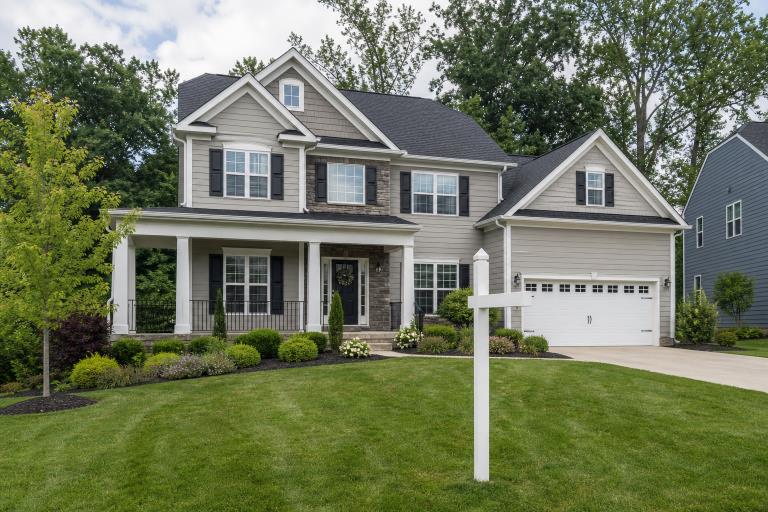
Selling a home in Charlotte in 2026 requires a plan that aligns with both the property and the seller’s priorities. Some owners want the broad exposure of a conventional listing. Others need a simpler timeline because of a move, inherited property, repairs, or financial pressure. Homeowners exploring a direct option may come across services that say We buy homes in Charlotte, NC, but it is still important to compare every path carefully before signing a contract.
The fast, automatic bidding activity no longer defines the Charlotte market that many sellers saw in the early 2020s. Demand remains meaningful in many areas, yet buyers have become more selective about condition, monthly payment, location, and value. A home near Uptown, a newer suburban property in Ballantyne, and a house in need of substantial work can have very different selling experiences.
Recent local market reports indicate that sellers may face more competition and longer decision cycles than expected. That does not mean a home cannot sell well. It means that presentation, pricing, and offer terms should be treated as interrelated parts of a single strategy rather than separate decisions.
Before listing, establish the primary goal. Is it obtaining the highest possible price, closing quickly, avoiding showings, reducing repair work, or coordinating with the purchase of another home? A clear answer helps narrow the most practical selling method.
For owners who value speed or an as-is transaction, a direct buyer can be one option to investigate. Companies advertising We buy houses NC may offer a shorter process, but sellers should still request clear terms, verify funds, and compare the expected net result with other available options.
Why Charlotte Sellers Face a Different Market in 2026
More available homes can give buyers room to negotiate, especially when several similar properties are listed nearby. Buyers may focus closely on roof age, HVAC condition, cosmetic updates, school boundaries, commute time, and the estimated cost of repairs. Homes that appear clean, fairly priced, and move-in ready often stand out, while overpriced or poorly maintained homes can sit long enough to lose momentum.
National headlines provide broad context, but neighborhood-level information is more valuable. Review current Charlotte housing market data alongside recent comparable sales in the immediate area. Pay attention to active competition, days on market, price reductions, and list-to-sale price patterns for homes with a similar size, age, and condition.
How to Set a Realistic Asking Price
Emotional value and market value are not the same. A seller may remember years of improvements, family milestones, or personal effort invested in a home. Buyers, however, generally compare the property against nearby alternatives and calculate whether the home justifies its monthly payment.
Pricing Factors to Review
- Recent closed sales in the same neighborhood or a closely similar area.
- Square footage, bedroom count, layout, parking, lot size, and outdoor space.
- Condition and remaining life of major systems, including the roof, plumbing, and HVAC.
- Renovations that are current, functional, and consistent with buyer expectations.
- Current listings are competing for the same buyer pool.
For example, if comparable homes are valued near $425,000 but a property launches at $450,000 without clear upgrades to justify the difference, fewer buyers may schedule showings. After several weeks, the seller may need a reduction that brings the home closer to where it could have started, while also explaining why it remained unsold.
What to Repair Before Listing
Not every project will produce a strong return before a sale. In many cases, the most useful work improves safety, cleanliness, function, and first impressions. Address leaks, water damage, broken doors or railings, exposed hazards, strong odors, and obvious maintenance issues. Fresh paint in high-traffic areas, basic landscaping, decluttering, and working light fixtures can also improve buyer perception without requiring a major renovation budget.
Think carefully before completing a full kitchen remodel, luxury bathroom upgrade, or large addition solely to sell. The right choice depends on the home’s price range, neighborhood expectations, available budget, and anticipated timeline. If a repair question involves a defect, disclosure concern, or contract obligation, consult an appropriate professional.
Choosing the Right Way to Sell
Each home sale method has specific advantages. A traditional listing is ideal for sellers who want maximum exposure and can manage showings and negotiations, though it may incur agent fees and a variable closing timeline. Private sales suit those with a specific buyer or who value privacy, but reach fewer potential buyers and require increased seller involvement in paperwork. Cash or direct sales appeal to homeowners needing a quick, convenient process, often selling as-is. The best choice varies depending on the situation: traditional listings attract competition for well-maintained homes, while direct sales are practical for properties needing repairs or facing urgent timelines.
How to Compare Offers Beyond the Price
Review each offer as a complete package. Start with the purchase price, then subtract mortgage payoff, taxes, agreed seller concessions, repair credits, commissions or other fees, and expected closing costs. A lower offer with verified funds, limited contingencies, and a reliable closing date may create a better outcome than a higher offer, depending on financing, appraisal, inspections, or a buyer’s home sale.
Offer Details to Compare
- Estimated net proceeds.
- Financing approval or proof of funds.
- Inspection, appraisal, and repair contingencies.
- Earnest money and deposit deadlines.
- Requested closing and possession dates.
- Seller concessions, personal property requests, and cancellation risk.
Create a side-by-side worksheet before accepting an offer. Include the money expected at closing, the work required before closing, the likelihood of delays, and the backup plan if the transaction falls through.
Timing, Documents, and Contract Questions
Spring may bring more buyer activity, but there is no universally perfect week to sell. A properly priced home can sell in summer, fall, or winter, depending on the seller’s circumstances. Allow room for repairs, cleaning, photography, showings, negotiations, inspections, and possible extensions.
Gather mortgage payoff information, tax records, insurance details, prior closing documents, HOA materials, repair invoices, warranties, and any leases before marketing the property. Sellers working with a broker should also understand the agency relationship and the services it entails. The North Carolina Real Estate Commission’s Working With Real Estate Agents guide provides helpful consumer information before entering a representation agreement.
For a fast sale, ask who is actually buying the property, whether the buyer can document available funds, whether the contract can be assigned, who pays closing costs, and what occurs if the buyer misses the closing date. Consider speaking with a North Carolina real estate attorney when a transaction involves probate, liens, divorce, foreclosure, tenants, multiple owners, or unusual contract terms.
Final Decision Checklist
- Define whether price, speed, privacy, or convenience is the main priority.
- Calculate the amount needed after mortgage payoff and selling expenses.
- Separate essential repairs from optional upgrades.
- Compare offers by net proceeds, conditions, timeline, and risk.
- Review deadlines and contract language before committing.
Selling a Charlotte home in 2026 requires realistic expectations and a clear process. Review fresh local data, price the home based on comparable properties, prepare the home thoughtfully, and choose the selling route that best supports the next step. A careful decision can make the transaction smoother, more predictable, and better aligned with the seller’s actual needs.