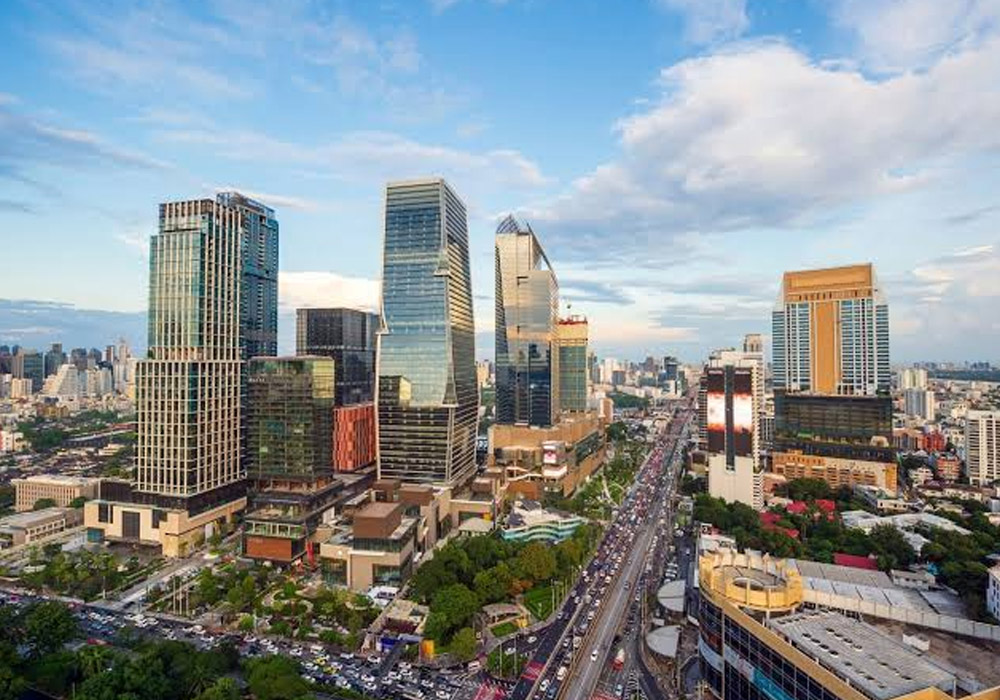
For years, Thailand has captivated international buyers with its vibrant culture, stunning landscapes, and dynamic economy. Moving into 2026, the nation remains a prime target for those looking to secure an overseas residence or diversify their investment portfolio. The combination of excellent healthcare facilities, world-class infrastructure, and a favourable cost of living makes it a magnet for British expatriates and global investors alike. Before committing to an international property purchase, it is vital to research local market trends and leverage data to make informed real estate decisions. Taking a structured approach helps buyers capitalise on emerging opportunities while avoiding common legal pitfalls in a foreign jurisdiction.
Understanding the Legal Framework for Foreign Buyers
Navigating the legal landscape is the first step for any international investor eyeing the Southeast Asian market. Under the Thailand Condominium Act, foreign nationals are legally permitted to own condominium units on a freehold basis, subject to the applicable foreign ownership quota for the building. Despite ongoing industry discussions about expanding foreign ownership rights and extending lease terms, Thailand’s current regulations continue to impose limits on foreign freehold ownership and leasehold arrangements.
Consequently, if you are actively looking for a luxury condo for sale Phuket, checking the available foreign quota allocation with your developer or real estate agent is absolutely crucial. When purchasing a freehold unit, international buyers must transfer their purchase funds from an overseas account in a foreign currency. This specific financial routing allows the buyer to obtain a mandatory Foreign Exchange Transaction form from a Thai bank. The Land Department requires this critical document to finalise the property transfer. If a building’s foreign quota is already full, or if the property is a landed villa, international buyers typically explore leasehold structures with appropriate contractual renewal provisions.
Identifying High-Yield Locations and Market Trends
Post-pandemic tourism recovery and shifting global economic conditions have noticeably reshaped buyer demographics across Thailand. While Chinese nationals remain a dominant demographic, Russian property investment has experienced significant growth in recent periods. This influx has been largely driven by an increasing interest in high-end luxury units in coastal resort towns, creating thriving new micro-markets of premium developments.
Phuket has emerged as a standout region, recording strong property transfer activity and continued demand for premium real estate. Luxury condominium prices on the island have also continued to rise as international demand strengthens. This sustained interest has encouraged developers to elevate their architectural and service offerings. According to CBRE Thailand, Phuket has one of the world’s strongest concentrations of branded residences, while the West Coast remains a major centre for condominium supply.
Modern luxury developments in prime areas like Bang Tao are increasingly bundling their properties with integrated hospitality-grade rental management. This strategy expertly captures the growing influx of digital nomads and long-stay expatriates. Consequently, owners may benefit from attractive short-term rental yields, although actual returns depend heavily on location, seasonality, occupancy, operating costs, and property management fees. Investors should also factor in property management fees, which are essential for maintaining the property to western standards while the owner is abroad.
Leveraging Visa Incentives for Property Investors
To further entice international capital, the Thailand Board of Investment has updated its Long-Term Resident Visa programme to accommodate and prioritise certain categories of international investors. This strategic initiative provides a potential pathway to long-term residency for expatriates who meet specific eligibility and financial requirements, offering an alternative to traditional tourist or retirement visa routes.
Understanding these updated visa criteria can significantly influence your investment strategy. Consider the following key classifications:
- Wealthy Global Citizens: Eligible foreign investors may qualify for long-term renewable residency by meeting the required direct investment threshold and other applicable eligibility criteria.
- Wealthy Pensioners: Eligible retirees may access long-term residency benefits through qualifying investment and income requirements, subject to the applicable visa criteria.
- Tax Considerations: Temporary reductions in property transfer and mortgage registration fees may apply under specific government measures. Buyers should carefully verify the current eligibility requirements and whether any available incentives apply to foreign investors before calculating their expected closing costs.
Investing in the Thai property market offers compelling rewards for those who navigate it intelligently. By understanding the strict foreign ownership quotas, targeting high-demand coastal regions, and taking advantage of modern visa incentives, international buyers can secure a highly profitable asset. Thorough due diligence, paired with a solid grasp of local regulations, remains the ultimate key to a successful overseas property acquisition.