Choosing a new vehicle in Tampa means thinking beyond color, horsepower, or a monthly payment. From weekday traffic on I-275 and the Selmon Expressway to humid summer errands, beach trips, school drop-offs, and hurricane-season preparation, the right fit depends on how you actually drive. Comparing options through trusted auto dealers Tampa shoppers visit can help narrow the search, but your daily routine should set the priorities.
A vehicle that feels perfect for a rare road trip may be frustrating in a crowded downtown garage or during a long commute from Brandon, Riverview, Carrollwood, or Wesley Chapel. Start by identifying the needs that occur every week, then use those needs to compare vehicle size, comfort, efficiency, safety, and ownership costs.
Start With Your Daily Routine
Estimate your normal weekly mileage and note where those miles happen. A driver who mostly uses city streets around South Tampa may value easy parking and responsive visibility, while someone commuting across the bay may prioritize supportive seats, a quiet cabin, and highway driver-assistance features. List regular passengers, pets, child seats, golf clubs, work equipment, or groceries, then separate true daily requirements from infrequent wants.
Match Vehicle Types To Your Needs
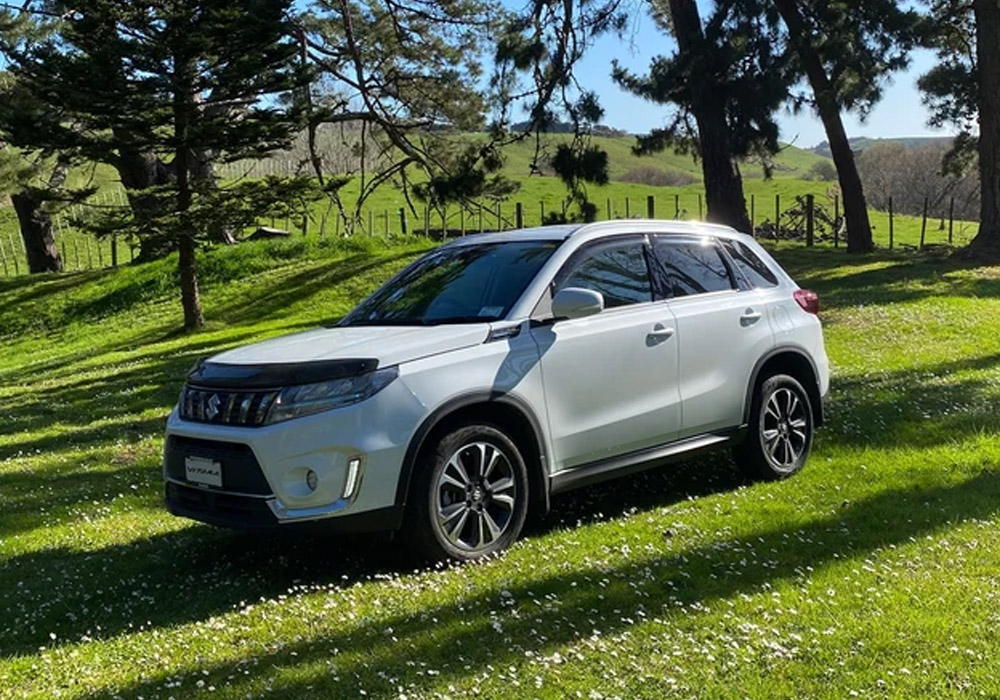
When comparing dealerships in Tampa FL, focus on vehicle categories that match your lifestyle. Compact cars can simplify parking and reduce fuel use. Sedans offer comfortable highway manners and useful trunk space. Compact SUVs add a higher seating position and flexible cargo access, while three-row SUVs suit frequent carpools and larger families. Pickup trucks are strongest when hauling, towing, or job-site use is regular rather than occasional.
Choose For The Commute
For a short city commute, compact dimensions, good outward visibility, and strong stop-and-go efficiency may matter most. For a long daily drive on I-4, I-75, or the Veterans Expressway, check seat comfort, cabin noise, adaptive cruise control, and steering-wheel adjustment. Also consider how easily the vehicle handles tight office lots, apartment garages, and busy retail parking areas.
Measure Passenger And Cargo Space
Do not rely solely on the number of seats or the cargo volume figure. Bring a child seat, stroller, cooler, tool bag, or sports equipment when shopping if those items are part of your routine. Check rear-seat legroom, door opening width, cargo opening height, fold-flat seating, and whether every regular passenger can get in and out comfortably. Before buying, confirm the vehicle will fit in your garage with room to open the doors.
Compare Gas, Hybrid, Plug-In Hybrid, And Electric Powertrains
Gas vehicles remain practical for drivers who make frequent, long trips without planned stops. Hybrids can be especially appealing for Tampa-area stop-and-go driving. A plug-in hybrid may suit households that can charge at home yet still want the flexibility of gasoline for longer trips in Florida. An electric vehicle deserves consideration when home or workplace charging is convenient, and its usable range supports normal driving, including air conditioning during the hottest months. Compare the exact trim’s official efficiency or range figures, since wheels, tires, and equipment can affect them.
Review Safety Features And Ratings
Safety research should include crash ratings, recall history, visibility, child-seat access, and the features installed on the exact trim. The 5-Star Safety Ratings can help shoppers compare crash protection and rollover information before arranging a drive. Look for useful features such as automatic emergency braking, blind-spot monitoring, rear cross-traffic alert, lane-departure warning, adaptive cruise control, and a clear rearview or surround-view camera.
Build An Ownership Budget
Your payment is only one part of the cost. Set a comfortable maximum payment, then add the down payment, loan interest, insurance, fuel or charging, tires, brakes, maintenance, registration, taxes, and expected resale value. A practical car-buying checklist can help keep needs and budget ahead of impulse decisions. Estimate annual mileage and compare operating costs across your final choices before signing.
Make The Test Drive Realistic
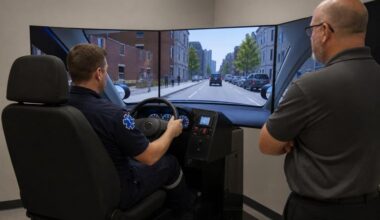
Use the test drive as a routine rehearsal. Adjust the driver’s seat and steering wheel, try every regular seating position, and test visibility at intersections. Drive on local streets and a highway when possible. Park in a tight space, operate the infotainment system while stopped, and load familiar items into the cargo area. Listen for wind, tire, and suspension noise, especially if highway comfort matters to you.
Avoid Common Vehicle-Matching Mistakes
- Choosing mainly for appearance or a single feature.
- Paying for towing or cargo capability that will rarely be used.
- Ignoring parking, garage, and turning-space limits.
- Comparing only monthly payments instead of total costs.
- Assuming every trim includes the same safety technology.
- Skipping a drive on roads that resemble your normal route.
Conclusion
The best new vehicle for Tampa, Florida, is the one that supports your real schedule, passengers, budget, parking situation, and travel habits. A focused needs list, complete cost review, safety research, and realistic test drive can turn a broad search into a confident decision.