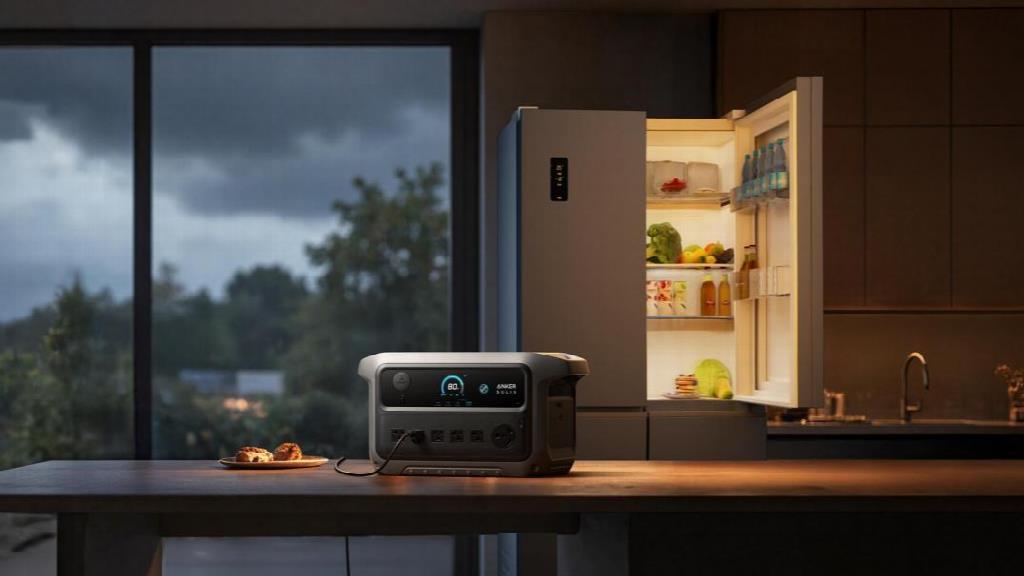
A portable power station can run a refrigerator, provided the unit has enough battery capacity, continuous output, and surge power to handle the fridge’s startup demand. Refrigerators do not draw full power constantly, but their compressors cycle on and off, which affects how long backup power will last. Choosing the right power station means looking beyond a simple watt number and understanding how refrigerators actually use electricity. For home outages, RV travel, or temporary backup, the right setup can keep food cold for many hours. The key is matching the refrigerator’s power needs with the portable power station’s specifications carefully.
What Specifications Matter When Running a Refrigerator?
Battery Capacity Determines Runtime
Battery capacity, measured in watt-hours, tells you how long a portable power station can keep a refrigerator running. A larger watt-hour rating means more stored energy, which translates to longer backup time. Since refrigerators cycle rather than run nonstop, actual runtime depends on average consumption, ambient temperature, door opening frequency, and how full the fridge is. For example, an efficient refrigerator that averages 60W will use about 1,440Wh over 24 hours. A power station with 2,000Wh of capacity can therefore support it for a substantial period, though inverter losses also affect total runtime. If your goal is overnight protection during an outage, capacity is often the first number to check because it determines whether the fridge stays powered long enough.
Output Power Determines Appliance Compatibility
Continuous output power, measured in watts, determines whether a portable power station can run a refrigerator during normal operation. Every refrigerator has a running watt requirement, and the power station’s rated output must meet or exceed it. Many household refrigerators draw a modest amount once running, but larger models, older units, and fridge-freezer combinations may require more. If the station cannot supply enough continuous power, the appliance will not operate reliably even if battery capacity is high. This is why compatibility is not just about runtime. You should check the refrigerator’s label or manual for rated wattage, then choose a power station with sufficient headroom. That extra margin helps accommodate cycling behavior and avoids stressing the inverter during everyday compressor operation.
Surge Power Handles Compressor Startup
Refrigerators need more than running power because the compressor draws a brief surge when it starts. That startup spike can be several times higher than the normal operating wattage, and it often determines whether a portable power station can run the appliance successfully. Surge power, sometimes called peak power, refers to the short burst a power station can deliver for these demanding moments. If surge capacity is too low, the fridge may fail to start even though its normal wattage seems well within range. This is a common reason people underestimate their backup power needs. When evaluating a unit, make sure its peak rating comfortably covers compressor startup. A strong surge buffer helps the refrigerator start smoothly and continue cycling without interruption.
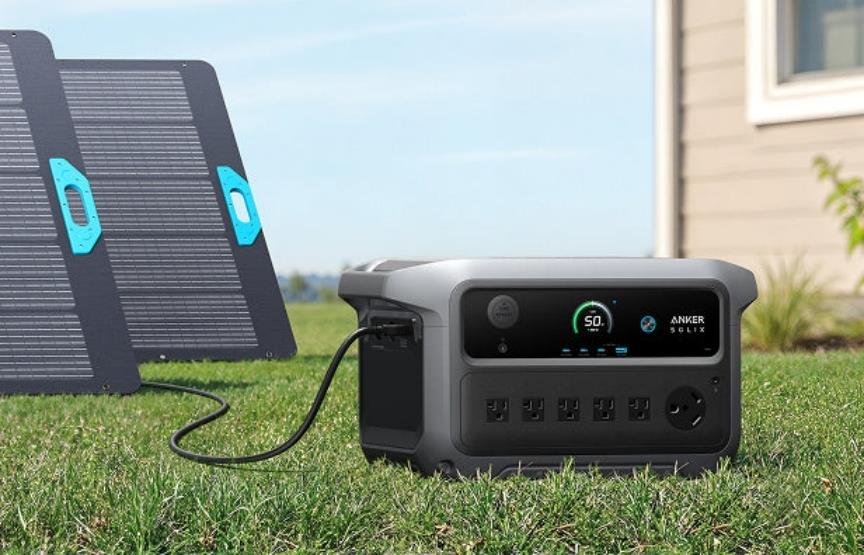
Anker SOLIX C2000 Gen 2 for Refrigerator Backup Power
2,048Wh Capacity for Extended Appliance Support
For refrigerator backup, the Anker SOLIX C2000 Gen 2 offers a practical balance of capacity and efficiency. Its 2,048Wh battery gives it enough stored energy for meaningful outage protection, especially with modern refrigerators that cycle efficiently. It has only 9W idle power consumption, powering a dual-door fridge for up to 32 hours. That low self-consumption helps preserve more energy for the appliance instead of wasting it in standby operation. In real use, runtime still reflects refrigerator size, room temperature, and door-opening habits, but the capacity is clearly designed for extended support rather than short emergency bursts. For users who want to keep food safe overnight or through a day-long interruption, that reserve is a major advantage.
2,400W Output and 4,000W Peak Power Capability
The Anker SOLIX C2000 Gen 2 also provides the electrical output needed for refrigerator startup and steady operation. With 2,400W of continuous output and 4,000W peak power capability, it has ample headroom for most household refrigerators, including models that demand a high compressor surge at startup. This matters because backup power must do two jobs at once: deliver enough stable wattage while running and absorb the initial spike without tripping or shutting down. Strong continuous and peak ratings make the unit suitable for more than refrigeration alone, but those same specifications are especially valuable for appliances with motors. For anyone asking whether a portable power station can reliably start and run a refrigerator, these output figures give a clear and confident yes.
Conclusion
A portable power station can run a refrigerator when it offers enough battery capacity for runtime, enough continuous output for normal operation, and enough surge power for compressor startup. Those three specifications determine whether the fridge will work reliably during an outage, on the road, or as part of a backup setup. If you want longer support, capacity matters most; if you want dependable startup, peak power is essential. The Anker SOLIX C2000 Gen 2 fits this use well by combining strong output with substantial energy storage. For refrigerator backup, matching these specs correctly leads to dependable, practical results.