Key Takeaways
- Choose a fence based on privacy, security, pet containment, or curb appeal.
- Compare wood, vinyl, aluminum, steel, and chain link for cost, durability, and maintenance.
- Balance privacy with visibility and the property’s overall appearance.
- Plan gates and fence gaps carefully to support pet, child, and pool safety.
- Verify property lines, zoning rules, HOA requirements, and underground utilities before installation.
- Include labor, materials, gates, removal, and long-term upkeep in the budget.
- Select a fence that suits your yard, daily needs, and long-term maintenance expectations.
A well-planned fence can make a Loudoun County yard feel more private, more secure, and easier to use every day. Whether the property is in a close-knit neighborhood, near a busy road, or on a larger rural lot, the best choice starts with the fence’s purpose, not just its appearance. Homeowners comparing designs, materials, and site conditions can also benefit from speaking with local fence contractors in Loudoun County, VA, before settling on a layout. Wood, vinyl, aluminum, steel, and chain link can all be appropriate choices, but they do different jobs. A solid backyard enclosure for privacy calls for a different approach than a front-yard boundary, a dog run, or a pool-area barrier. Thinking through how the fence will be used helps prevent expensive compromises after installation.
Start With Your Main Goal
Decide what the fence must accomplish before comparing colors or post caps. Common goals include screening a patio from neighboring views, containing a pet, establishing a visible property boundary, protecting a garden, improving pool-area control, or adding visual structure to the landscape. One fence can meet several needs, but it may not meet all of them equally well. For example, a homeowner seeking a quiet, enclosed backyard gathering space may prefer a solid privacy design. A shorter, open fence may better serve someone who needs to keep a dog away from a vegetable garden with a secure gate. Define the primary goal first, then incorporate secondary goals into the design discussion.
Compare Common Fence Materials
Wood
Wood offers a traditional appearance and substantial design flexibility. It can be built as picket, shadowbox, board-on-board, or solid privacy fencing. It also requires periodic inspection and may need staining, sealing, painting, or replacement boards over time.
Vinyl
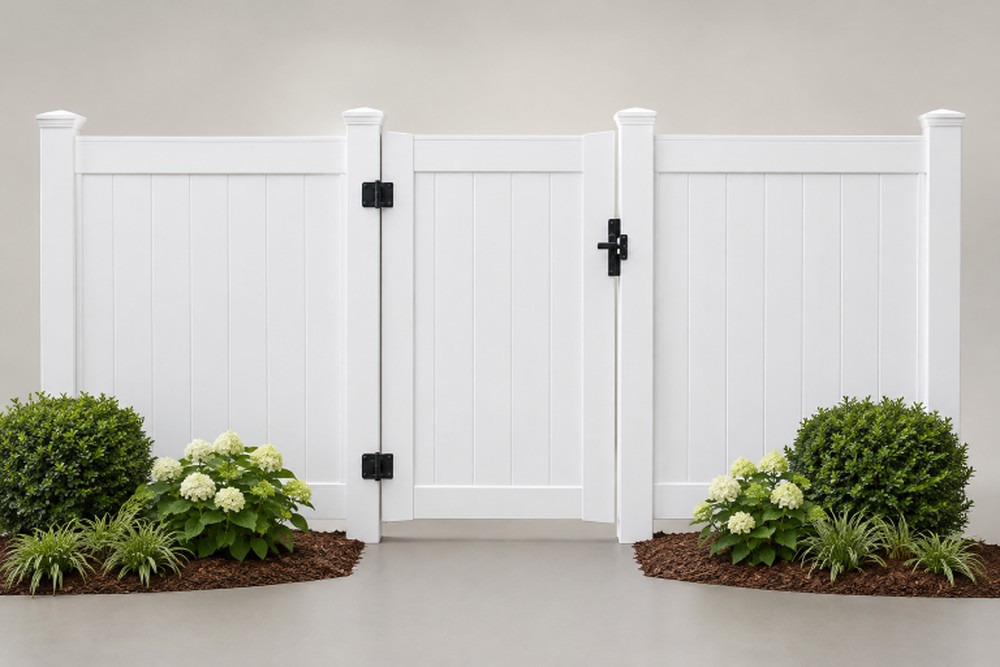
Vinyl fencing can provide a clean, consistent finish and works well for many privacy and semi-private layouts. Routine care usually involves washing away surface dirt and checking posts, panels, and gate hardware for damage or movement.
Aluminum, Steel, and Chain Link
Aluminum is often chosen for open sightlines and a refined perimeter. Steel can provide a strong, formal look, while chain link is a practical option for pet containment and larger functional areas. Open materials do not create full privacy on their own, though landscaping or privacy screening may help where permitted. Instead of judging materials only by the initial quote, compare expected upkeep, repair options, gate needs, appearance, and how well the fence supports daily use of the property.
Balance Privacy and Curb Appeal
A solid fence blocks more views, but it can also make a compact yard feel enclosed. Semi-open styles, spaced pickets, and ornamental metal designs preserve visibility while still marking the property boundary. Fence height, panel spacing, color, post style, and gate placement all influence how the finished project looks from both inside and outside the yard. For many Loudoun County homes, a hybrid approach is worth considering. An open fence can maintain a welcoming front-yard appearance, while a more private design can define a rear patio, play area, or outdoor dining space. This approach can also help preserve desirable views from the home.
Plan for Pets, Children, and Safety
Safety depends on more than the panels. Check the spacing between pickets or rails, the clearance beneath the fence, the strength of posts, and the reliability of latches. Gates deserve particular attention because they are the moving parts most likely to be used frequently, left unlatched, or affected by settling ground. For pet and child safety, look for gaps that could allow passage, protruding hardware, loose boards, sharp edges, and nearby items that could make a fence easier to climb. Pool areas may have additional code requirements, so confirm the applicable rules before choosing a gate, latch, or enclosure design.
Check Property Rules First
Confirm property lines before ordering materials or setting posts. A plat, survey, easement, HOA standards, and municipal requirements can all affect placement and design. In Loudoun County, residential front-yard fences and walls generally may not exceed 3.5 feet in height. In comparison, fences and walls outside front yards may be allowed up to 8 feet in residential areas, subject to applicable conditions such as sight-distance requirements. Review the Loudoun County Zoning Ordinance and any neighborhood rules that apply to the property. Before post holes are dug, request utility markings. Virginia 811 advises homeowners to contact the service at least three working days before excavation, and its homeowner guidance for fence projects explains why even shallow digging deserves caution.
Think About Maintenance
Maintenance is part of the long-term cost of a fence. Wood may need refinishing and occasional board replacement. Vinyl generally benefits from cleaning and periodic checks for cracks. Aluminum usually requires limited routine care, while steel may need prompt attention if its protective finish is scratched. Chain link is relatively straightforward, but tension, ties, posts, and gates should still be inspected.
Estimate the Total Cost
An accurate budget includes more than panels. Account for posts, gates, hardware, demolition and disposal of an existing fence, grading, difficult access, tree roots, rocky soil, and cleanup. Ask for itemized estimates to clarify whether permits, hauling, gate adjustments, and site preparation are included.
Use a Simple Decision Guide
- Choose wood when a natural look and flexible design are top priorities.
- Choose vinyl when low routine upkeep and privacy matter most.
- Choose aluminum when open views and clean lines are important.
- Choose steel when strength and a more formal appearance are central goals.
- Choose chain link when practical containment, airflow, and budget lead the decision.
Final Planning Checklist
- Define the fence’s main purpose.
- Measure the area and verify property lines.
- Review zoning, HOA, and easement requirements.
- Compare at least three material options.
- Plan gates around safety and daily access.
- Consider slopes, drainage, trees, and underground utilities.
- Include long-term maintenance in the budget.
- Request clear, itemized project estimates.
The best fence for a Loudoun County property is not automatically the tallest, strongest, or least expensive option. It is the one that fits the yard, supports the household’s needs, follows applicable requirements, and remains manageable to maintain for years to come.