Key Takeaways
- Hidden plumbing leaks often leave subtle warning signs before major damage appears.
- Water bill increases, musty odors, stains, warped materials, and unusual sounds all deserve attention.
- A water meter test can reveal whether water is moving through the plumbing while fixtures are off.
- Leaks near finished walls, ceilings, floors, or electrical components need prompt professional care.
- Fast drying and early repairs can limit water damage and help prevent mold growth.
A plumbing problem does not always start with a burst pipe or a large puddle. A slow leak may drip behind drywall, beneath flooring, inside a cabinet, or around an appliance connection for weeks before it becomes obvious. When homeowners notice early clues, a qualified team such as Twin Cities Premier Plumbing can help identify the source before a minor concern becomes an extensive repair. Hidden leaks matter because water travels. A small amount of moisture can soak insulation, stain ceilings, weaken cabinet bases, swell flooring, and create unpleasant odors. The good news is that many leaks leave clues that can be spotted without tearing into walls or using specialized equipment.
Why Hidden Leaks Matter
Unlike an overflowing sink, a concealed leak can continue unnoticed while damaging materials from the inside out. Delayed repairs may lead to higher water bills, damaged framing, deteriorated drywall, and restoration work that costs far more than an early plumbing repair. Paying attention to small changes around the home gives you a better chance of acting before water spreads.
Early Warning Signs To Watch For
- An unexplained water bill increase: A noticeable rise in usage without a change in household routine may indicate a leak.
- Musty or stale odors: Damp materials behind walls, under floors, or inside cabinets can produce a persistent smell.
- Water stains: Yellow, brown, or expanding marks on walls and ceilings can indicate moisture above or behind the surface.
- Peeling paint or bubbling drywall: Moisture can loosen finishes and cause the wall surface to change texture.
- Soft or warped flooring: Wood, laminate, and subflooring may swell or feel uneven after repeated exposure to water.
- Unexpected sounds: Dripping, hissing, or running water when every fixture is off is worth investigating.
- Reduced water pressure: A sudden change can be related to a leak, a valve issue, mineral buildup, or another supply problem.
How To Perform A Water Meter Test
A water meter test is a simple way to determine whether water may be moving through your plumbing while the home is inactive. Before starting, make sure everyone in the household knows not to use water during the test.
- Turn off faucets, showers, washing machines, dishwashers, and irrigation systems.
- Wait for toilets, ice makers, and water softeners to finish any normal cycles.
- Record the meter reading or take a clear photo.
- Avoid using water for at least one to two hours.
- Check the meter again and compare the reading.
- If it changed, inspect visible fixtures and arrange a closer evaluation if the source is not clear.
The test cannot identify the exact location of a leak, but it can confirm a reason to keep looking. The EPA recommends checking your meter when no water is being used and notes that common household leaks can waste thousands of gallons over time.
Where Plumbing Leaks Often Hide
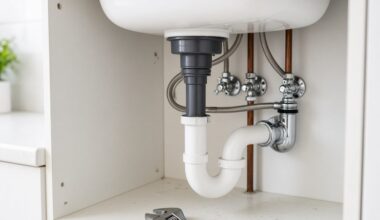
Leaks commonly develop around fittings, seals, valves, and supply connections. Start with accessible areas, including under sinks, behind toilets, near water heaters, and behind washing machines. Look for damp cabinet floors, corrosion, mineral buildup, loose fittings, or pooling water. Also check ceilings beneath bathrooms, kitchens, and laundry rooms. A stain, soft spot, or change in paint texture can point to a problem above. Under floors, watch for warped boards, unusually warm areas, damp smells, or shifting materials. Outdoors, inspect hose bibs, irrigation connections, and soil near the foundation for unexplained wetness.
Simple Checks Homeowners Can Try
- Place a few drops of food coloring in a toilet tank. If color appears in the bowl without flushing, the flapper may be leaking.
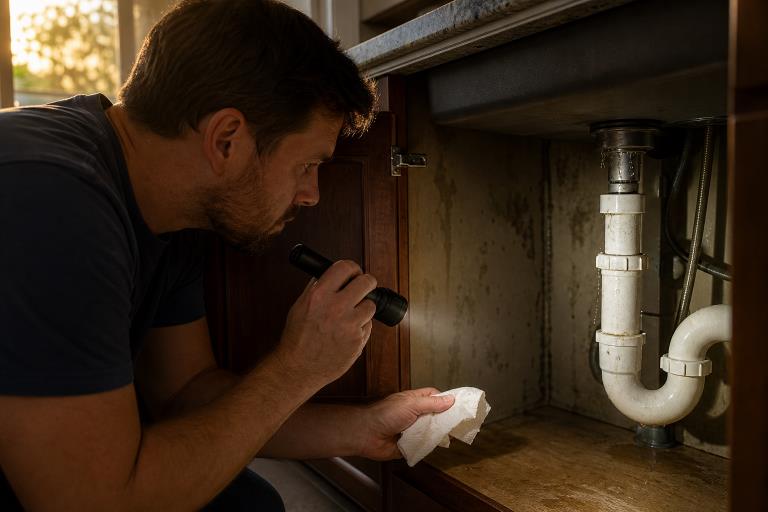
- Run a dry paper towel around exposed supply lines, drain connections, and shutoff valves to reveal small damp spots.
- Use a flashlight to inspect dark cabinet corners, appliance connections, and the area around a water heater.
- Listen near walls, ceilings, and floors when the house is quiet.
- Compare water pressure at several fixtures to identify a sudden, widespread change.
Do not remove drywall, drill into floors, or work around wiring to locate a suspected leak. A hidden pipe and nearby electrical components can create unnecessary risks.
When To Call A Professional
Arrange professional help when the meter changes while everything is off, a ceiling sags or drips, water pressure drops throughout the home, or a leak appears to be behind a finished wall or under a slab. Immediate action is especially important when water is near outlets, light fixtures, electrical panels, sewage, or fast-moving water. If it is safe, shut off the nearest fixture valve or the home’s main water supply. Keep away from electrical hazards and do not enter contaminated water. A temporary patch may slow a visible drip, but a recurring leak usually means the underlying issue still requires inspection and repair by professional plumbers.
How Leaks Can Lead To Water Damage And Mold
Moisture trapped in drywall, insulation, cabinets, flooring, and framing can cause materials to break down over time. Mold needs moisture to grow, which is why the CDC advises homeowners to fix plumbing leaks and dry wet areas quickly.
- Stop the water source if doing so is safe.
- Move furniture and personal belongings away from wet materials.
- Photograph visible damage before cleaning or removing items.
- Use fans or dehumidifiers when conditions are safe, and the area can be ventilated.
- Contact a trusted contractor for help with extensive, hidden, contaminated or slow-drying water damage.
A Simple Leak Prevention Plan
Make leak detection part of routine home care. Inspect visible plumbing monthly, check appliance hoses and supply lines twice a year, test toilets periodically, and keep sink cabinets clear enough for quick inspections. Know where the main water shutoff valve is located, watch for changes in water bills or pressure, and inspect outdoor faucets before and after freezing weather.
Keeping a simple record of meter readings, repairs, dates, and photos can also reveal a pattern that is easy to overlook during a busy week.
Conclusion
Hidden leaks usually leave a trail of small signals before they cause major damage. A musty smell, a damp cabinet floor, a rising water bill, a strange sound, or a fresh stain deserves attention. Early checks can reduce water waste and repair costs. Homeowners should also watch for peeling paint, warped flooring, bubbling walls, or unexplained moisture around fixtures and appliances. Check regularly under sinks, around toilets, near water heaters, and along visible pipes.
If a leak is suspected, do not ignore it simply because water is not actively dripping. Small leaks can continue behind walls, beneath floors, or inside cabinets for weeks. When water is hidden, spreading, or near electrical equipment, prompt professional assistance is the safest next step. Acting quickly can help limit structural damage, prevent mold-related concerns, and reduce the disruption and expense associated with larger plumbing repairs.