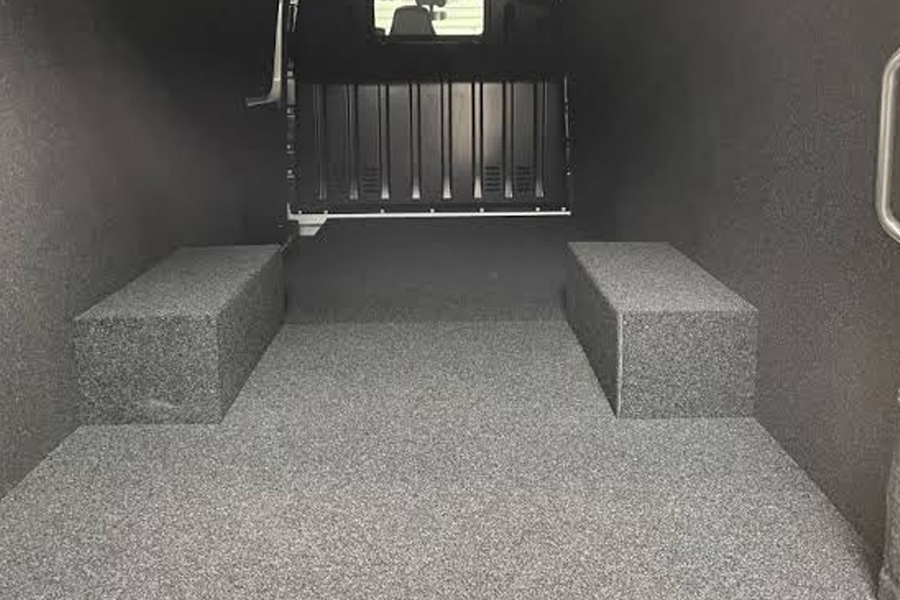
A tradie van takes a beating every single day. Tools get dropped. Water gets tracked in. Steel toe boots grind the same three square metres of floor for years without a break. Most vans roll off the factory line with a bare metal floor that was never built for any of that. That gap is exactly why good van flooring exists, and why picking the wrong one costs far more than the sheet itself. Before you grab whatever is on special at the local trade store, here is what actually holds up, backed by real numbers from the trade and building world.
What Goes Down First Actually Matters
- Marine grade plywood, usually 12mm thick, gives a strong flat base for tools and shelving
- Formply at 17mm is thicker and tougher again, built originally for concrete forming work
- Aluminium checker plate, 1.6mm or thicker, is the same material used in ambulances and firetrucks
- Rubber matting at 3mm to 5mm adds grip but needs a rigid base underneath it
- Vinyl is the lightest and cheapest option, good for looks, weaker under real load
Notice something in that list. The toughest options in a work van are the same materials trusted in emergency vehicles and heavy trailers. That is not a coincidence, and it should guide your choice more than the price tag does.
Why Aluminium Checker Plate Keeps Winning
Checker plate is made from aluminium alloy 5052 or 3003, with a raised diamond pattern for grip that plain sheet metal does not have. It shows up in truck beds, trailer floors, and firetruck footplates because the pattern hides scuffs instead of showing every mark within a week. It is also genuinely light for its strength, which matters when payload limits are tight. Plywood still wins on cost and on how easily shelving screws into it, but under heavy tool boxes, checker plate simply lasts longer.
The Trade Is Bigger Than People Think
Utes and vans are not a small niche market in Australia. They are the backbone of it.
| The Figure | Why It Matters To You |
| Utes made up close to 1 in 5 new vehicles sold in Australia in 2025 | Trade vehicle demand, and flooring demand, is genuinely massive |
| 235,614 new utes sold in 2025, up 2.8% on the year before | Millions of bare factory floors are waiting to be fitted out properly |
| Commercial vehicle wholesaling is a 10.3 billion dollar industry in 2026 | Quality flooring suppliers are a serious, established market, not a fringe one |
| Resilient floor coverings must meet Australian Standard AS1884 | Compliance protects you if a slip happens and someone gets hurt |
Floor coverings like vinyl and rubber are expected to meet AS1884 in commercial settings, which covers proper installation and moisture testing before anything goes down. Skipping that standard to save an afternoon is a bet most tradies would not take if they thought about it for more than a minute.
Getting The Fit Right, Not Just The Material
Picking the toughest sheet on the shelf still is not enough on its own. A floor cut loosely around wheel arches and tie down points lets water and grit creep underneath, and that is where rust actually starts, not on the surface you can see. Good installers cut each panel to the exact van model, seal the edges properly, and keep the original fixing points free so racking and shelving still bolt down where the factory intended. A slightly more expensive, well fitted 12mm ply floor beats a cheap, loosely cut aluminium one almost every time, because the gaps matter more than the material once moisture gets involved.