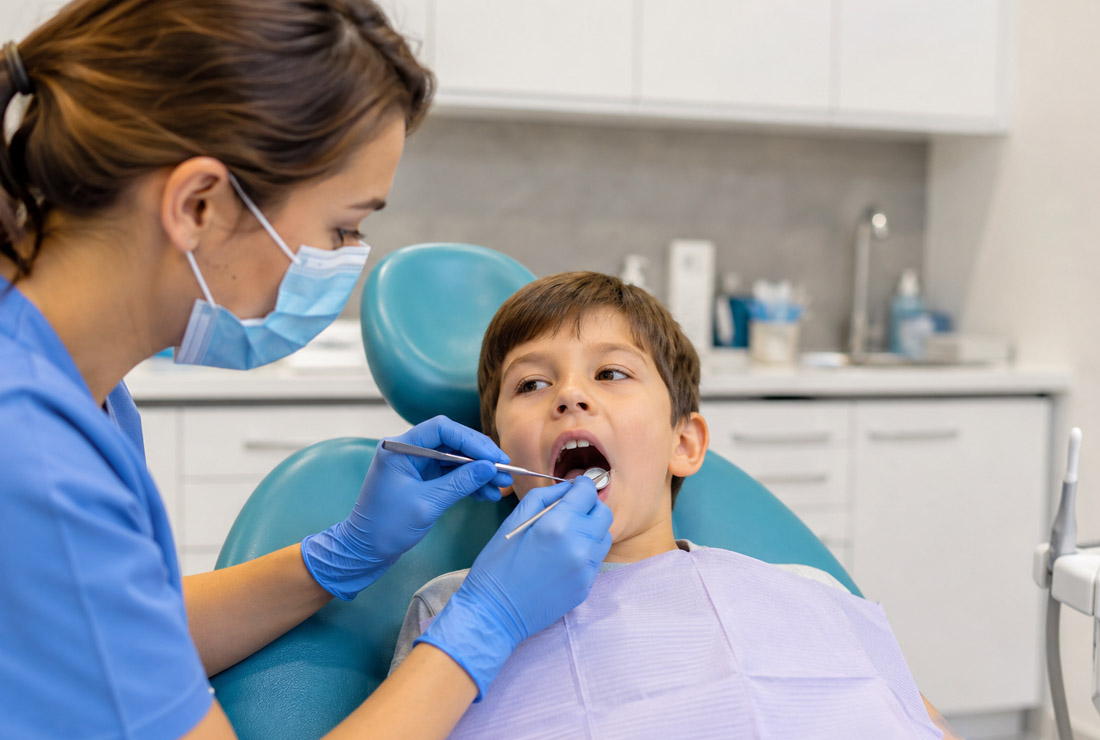
A child can crack a tooth, cut a lip, or develop sudden swelling within minutes. These situations can feel alarming, especially when pain or bleeding is involved. A calm response helps protect the injured area and gives the child a greater sense of safety.
Parents searching for urgent dental care may see professionals like the New Era Dental emergency dentist among local results. The practical priority is finding a qualified provider who can assess the injury promptly and explain the next steps clearly. Parents also need to know what they can safely do before the appointment. The guidance below covers the most common child dental emergencies and the right response to each one.
Recognize Signs That Need Prompt Care
Tooth pain, facial swelling, steady bleeding, or a displaced tooth calls for prompt dental care. A jaw injury, mouth cut, or trouble closing the mouth also deserves attention. Clear symptoms help parents explain the situation over the phone.
A child with breathing trouble, heavy bleeding, or a possible head injury needs emergency medical care. Keep the child seated and press clean gauze on the area. Gentle reassurance lowers fear while help is arranged.
Handle A Knocked-Out Or Loose Tooth
A knocked-out permanent tooth needs careful handling and fast action. Hold the crown, rinse dirt with milk or water, and avoid the root. Replace it only when the child can safely hold it there.
A baby tooth follows a different plan because it should stay out of the socket. Save the tooth in a clean container and call an urgent dental provider. A loose or shifted tooth needs an exam, since tissue may need support.
Respond To Chips, Cracks, And Mouth Injuries
A chip may expose a sensitive inner layer and cause sharp pain. Rinse with clean water, then place tooth pieces in a container. A cool compress against the cheek can ease tenderness.
Cuts on the lip, cheek, or tongue may look dramatic because mouth tissue has a rich blood supply. Apply clean gauze with light pressure for several minutes. Dental care can check for hidden damage, sharp edges, and debris in the wound.
Manage Toothache And Facial Swelling
Toothache can come from decay, a loose filling, trapped food, or an irritated nerve. Rinse with warm water and gently clean around the sore tooth. A cold pack outside the cheek may soothe the area before the appointment.
Facial swelling can signal an infection that needs timely assessment. Share details about fever, sleep, appetite, and the swelling’s location. A dentist can identify the source and choose care suited to the child’s age and symptoms.
Prepare For The Urgent Dental Visit
Useful details make the visit smoother for the child and dental team. Note when the problem started, its cause, and any medicine already given. Bring tooth fragments, the lost tooth, and a list of health conditions or allergies.
Parents can explain the visit in simple, calm words. Tell the child that the dentist will examine the sore area and help it feel better. A familiar toy may make the setting easier.
Lower The Chance Of Another Emergency
Mouthguards, helmets, and close supervision support safer play. A 2024 peer-reviewed study found that children ages 6 to 10 accounted for 40% of pediatric emergency dental visits. This age range includes active school years, when falls and sports injuries can affect teeth. Protective gear and clear safety rules can reduce common risks.
Regular dental checks can catch weak fillings, decay, and bite concerns before urgent pain starts. Parents can keep the dental office number, insurance details, and a small care kit close. Gauze, a clean container, gloves, and an instant cold pack cover common needs.
Child dental emergencies feel easier to manage when parents know the first safe steps.
A New Era Dental emergency dentist can assess pain, swelling, bleeding, or trauma and guide suitable treatment for each child. Calm action, careful tooth handling, and clear details can protect the child’s comfort. Protective gear and regular dental visits also support a healthy smile. A simple plan gives families practical direction when an urgent problem appears.