Students do not need a perfectly controlled day to thrive, but they often benefit from a predictable one. Clear expectations around class time, study, meals, movement, and rest can reduce distractions and help young people spend more energy on learning and relationships. Families considering a Virginia STEM boarding school or another structured learning environment may find that daily routines play a meaningful role in academic and personal growth.
A phone-free routine is not about treating technology as the enemy. It is about creating protected time for attention, conversation, physical activity, and responsibility. When schools pair sensible device limits with supportive adults, engaging instruction, and opportunities to lead, students can practice habits that matter long after graduation.
Why Daily Routines Matter
A school routine is simply a repeatable plan for how the day moves from one responsibility to the next. Students who know when to prepare for class, eat, exercise, study, and wind down have fewer small decisions competing for their attention. That structure can reduce stress, especially during busy weeks with tests, practices, projects, and social obligations.
Structure should not mean rigidity. Students still need reasonable choices, time to ask for help, and room to adapt when circumstances change. The goal is to make productive actions easier to repeat. For example, a student who puts materials in a backpack each evening and follows a regular homework block is less likely to begin the next day feeling rushed or unprepared.
What a Phone-Free School Day Means
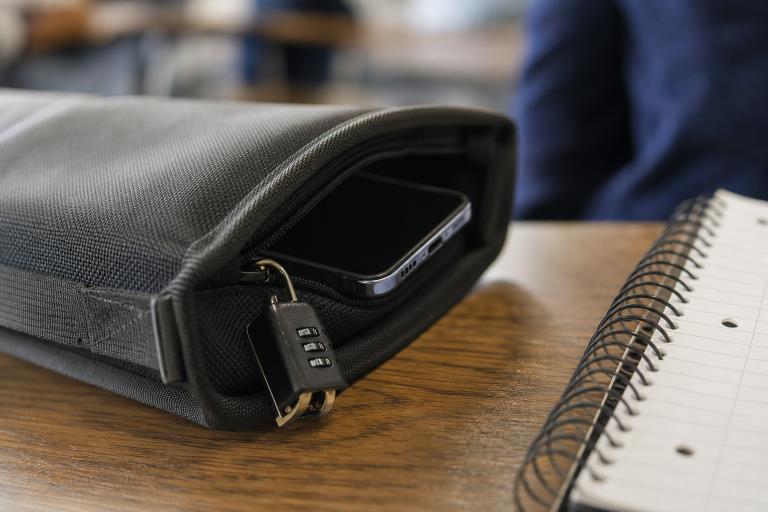
Phone-free policies vary. Some schools limit personal devices only during instruction, while others use bell-to-bell expectations that keep phones stored throughout the day. Schools may use lockers, backpacks, lockable pouches, or supervised storage. Effective policies also account for medical devices, accessibility accommodations, and approved family communication needs.
The purpose is not to eliminate useful technology. Students can still build digital literacy through planned lessons, school-managed devices, research projects, coding, and media education. A recent educator survey on school cell phone policies illustrates both the promise and the practical complications of stronger restrictions, including the need for consistent enforcement and the distraction devices that phones can cause.
How Phone Limits May Support Focus
Notifications, messages, games, and social media can interrupt a student even when the device is silent. Repeatedly checking a screen can break the concentration needed for reading, writing, problem-solving, and listening. A protected phone-free period gives students a chance to remain with a difficult task long enough to understand it.
Still, device limits are not a shortcut to better grades. Achievement also depends on teaching quality, attendance, learning differences, study habits, sleep, and access to support. Teachers can make the transition easier by explaining the purpose of the rule, giving students a dependable way to handle urgent concerns, and setting engaging tasks that reward attention.
Movement and Student Well-Being
A structured school day can make physical activity a normal part of life rather than an optional extra. Physical education, team sports, walking between activities, outdoor lessons, recreation, and short stretching breaks all give students opportunities to move. The CDC’s school-based physical activity guidance emphasizes that schools can help young people build movement into their daily routines.
Activity may support mood, energy, stamina, and peer connection. It can also provide a constructive outlet after a demanding class or stressful day. Exercise is not a complete answer to academic pressure or emotional concerns, however. Students also need adequate sleep, nourishing meals, supportive relationships, and access to qualified health or counseling professionals when needed.
Leadership Through Daily Practice
Leadership is not limited to student council, team captains, or public speaking. It grows when students repeatedly take responsibility for themselves and others. Showing up on time, preparing for a group project, listening during disagreement, helping a younger student, and responding thoughtfully to feedback are all leadership practices.
- Prepare before being reminded.
- Complete a shared task without shifting blame.
- Speak respectfully when opinions differ.
- Ask for feedback and use it to improve.
- Serve classmates, teammates, and the broader community.
Strong routines should encourage active responsibility rather than passive compliance. Students need chances to make decisions, solve ordinary problems, and reflect on outcomes. This helps them see discipline as a tool for reaching goals, not simply as a response to rules.
Making Policies Fair and Practical
A policy succeeds when people understand how it works in real situations. Schools should use simple language that explains when phones must be stored, where devices belong, what happens after a violation, and how parents can contact the school during the day. Rules should be applied consistently across classes, activities, and staff members.
Fair policies also include reasonable exceptions. A student using a phone or connected device for a documented health need should have an established accommodation plan. Schools should invite student and family feedback, review concerns after implementation, and adjust procedures that create unnecessary confusion or conflict.
A Checklist for Families
- Read the complete policy, not only a summary or social media post.
- Ask how phones will be stored and protected during the day.
- Confirm the school’s emergency communication process.
- Review consequences for first and repeated violations.
- Discuss medical, accessibility, or family-specific needs early.
- Practice phone-free homework, meals, and bedtime routines at home.
- Check whether watches, tablets, and other connected devices are included.
Common Questions From Families
Will a phone-free policy improve grades?
Not automatically. Fewer distractions may improve learning conditions, but grades reflect many factors beyond device access.
Can students still learn digital skills?
Yes. Schools can teach research, writing, coding, online safety, and media literacy through supervised use of technology.
What if a student needs a phone for health reasons?
Families should contact the appropriate school staff before the policy takes effect so an accommodation can be arranged.
Should phones be restricted during lunch?
That depends on community needs. A limit may encourage conversation and activity, but students should still know where to seek support.
Final Thoughts
Phone limits are one tool among many for helping students protect their attention and build independence. The most effective school culture combines clear routines, meaningful learning, regular movement, supportive relationships, useful technology, and real responsibilities. When students experience structure alongside trust, they can turn everyday habits into lasting confidence, focus, and leadership.