Introduction
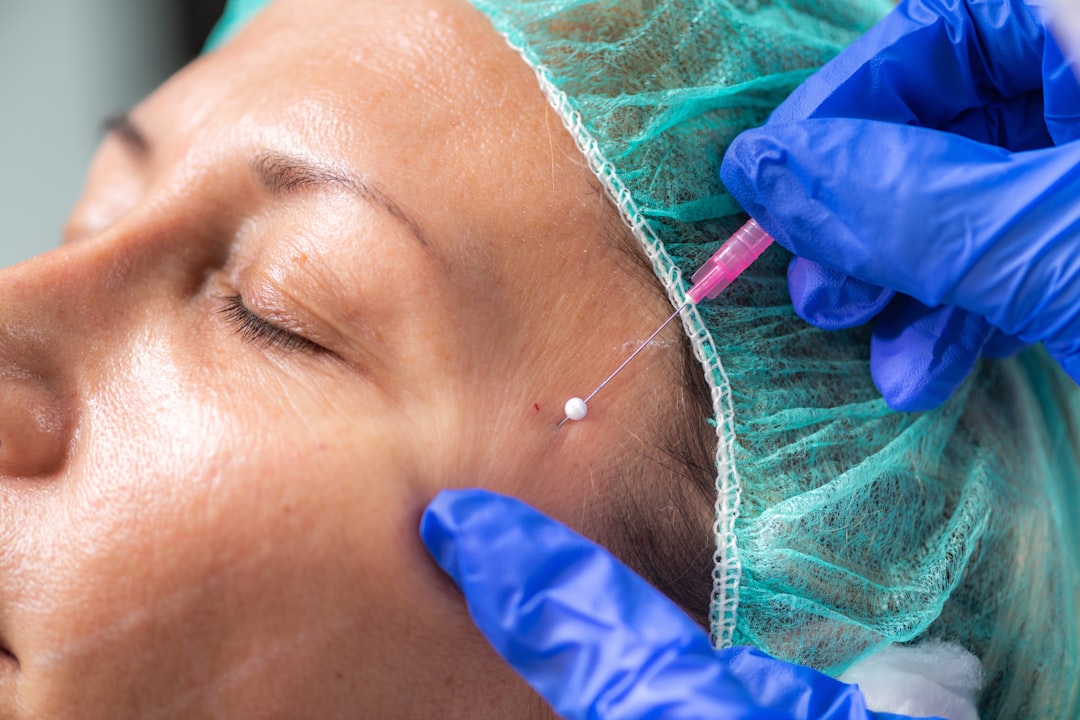
As we approach August 2026, the desire for graceful aging and a refreshed appearance continues to drive innovation in aesthetic medicine. Gone are the days when cosmetic procedures meant either minimal impact or drastic, unnatural changes. Today, a sophisticated spectrum of advanced cosmetic procedures offers personalized solutions designed to restore youthfulness while preserving individual identity.
This evolution brings both exciting opportunities and the need for clear understanding. We recognize that navigating these options can be complex, especially when seeking results that look authentic and last.
We will delve into the nuances of modern facial rejuvenation. We will compare various advanced surgical and non-surgical approaches, examining how they differ in technique, outcomes, and longevity. Our discussion will highlight key considerations for achieving natural-looking results, explore procedures performed under local anesthesia, and outline the limitations of certain minimally invasive treatments compared to their surgical counterparts. From deep plane facelifts to specialized aesthetic skin and body treatments, we aim to provide a comprehensive guide to empower informed decisions in your aesthetic journey. We will also discuss how to choose a qualified specialist and what to expect regarding recovery and success rates.
Comparative Overview of Advanced Cosmetic Procedures: Surgical vs. Non-Surgical Modalities
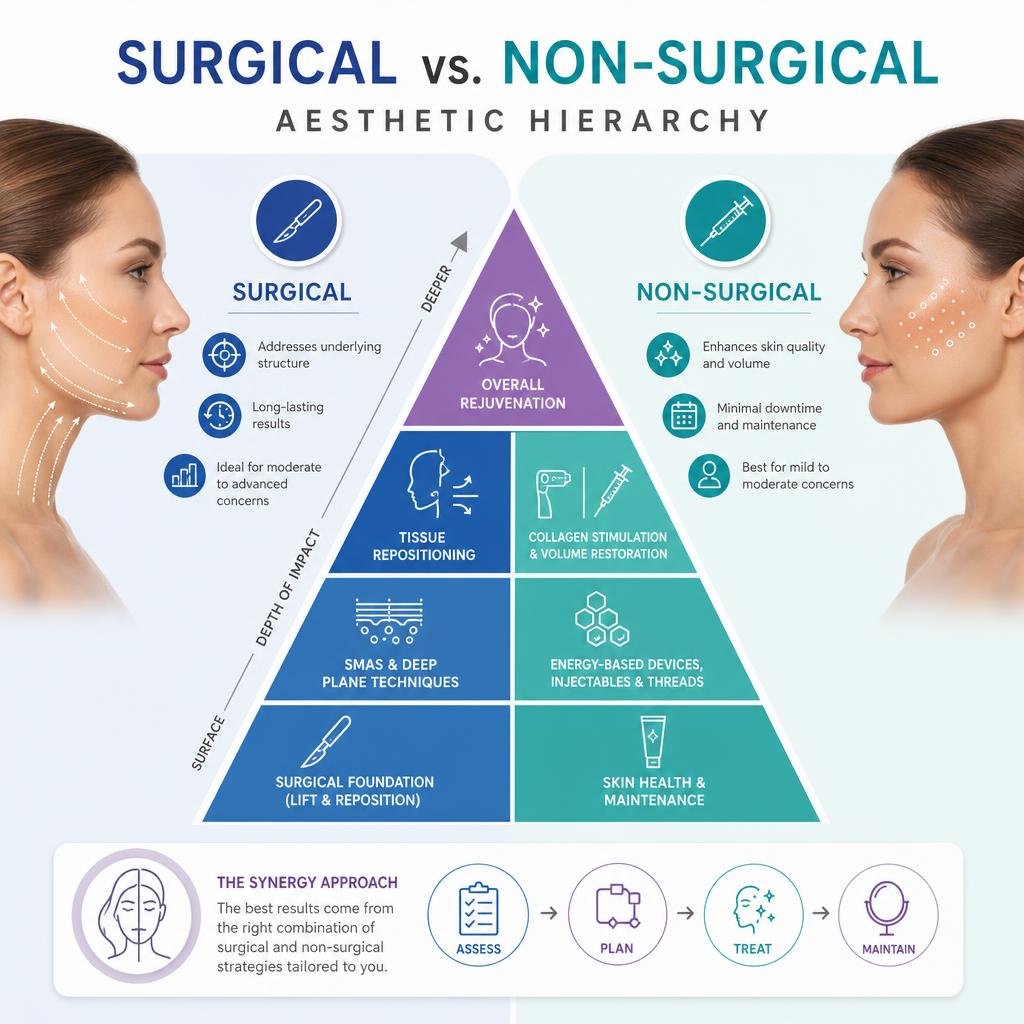
The landscape of advanced cosmetic procedures is broadly categorized into surgical and non-surgical modalities, each with distinct capabilities and ideal applications. Surgical procedures typically involve physical repositioning of tissues, offering more dramatic and long-lasting results, particularly when significant tissue laxity or structural changes are present. These often involve direct manipulation of deeper anatomical layers, such as the superficial musculoaponeurotic system (SMAS) in the face.
Non-surgical approaches, on the other hand, primarily rely on energy devices, injectables, or threads to stimulate collagen, tighten skin, or restore volume. While effective for mild to moderate concerns, they generally have limitations in addressing advanced signs of aging that require actual tissue repositioning. Understanding this fundamental difference is crucial for setting realistic expectations and choosing the most appropriate treatment path.
| Modality | Primary Action | Ideal for | Longevity | Anesthesia | Recovery Time |
|---|---|---|---|---|---|
| Surgical Lifting | Tissue repositioning, excess skin removal | Moderate to severe laxity, structural descent, jowling, neck bands | 10+ years | Local/General | Weeks |
| Outpatient Contouring | Fat removal, tissue sculpting | Localized fat deposits (e.g., submental), buccal fat reduction | Permanent (fat) | Local | Days to 1-2 weeks |
| Energy-Based Devices | Collagen stimulation, skin tightening | Mild to moderate skin laxity, fine lines, texture improvement | Months to 1-2 years | Topical/Local | Days to 1 week |
| Injectables (Fillers) | Volume restoration, wrinkle reduction | Volume loss, static wrinkles, contour enhancement | 6 months to 2 years | Topical/Local | Hours to few days |
| Thread Lifts | Mild mechanical lift, collagen stimulation | Mild facial sagging, early jowling, eyebrow lift | 1-2 years | Local | Few days to 1 week |
Deep Plane Techniques vs. Conservative Lifting
When considering surgical facial rejuvenation, the “deep plane” facelift has emerged as a gold standard for achieving comprehensive and natural-looking results. Unlike more conservative lifting techniques, which primarily address the skin or superficially tighten the SMAS layer, a deep plane facelift involves releasing specific ligaments and lifting the SMAS and overlying skin as a single, composite unit. This allows for true repositioning of descended facial tissues along a vertical vector, rather than simply pulling the skin horizontally.
The key advantage of the deep plane approach lies in its ability to address the underlying causes of facial aging—namely, the descent of fat pads and muscle—without creating a “stretched” or “windblown” appearance. By lifting the deeper structures, tension is taken off the skin, leading to a more natural and durable outcome that moves harmoniously with facial expressions. This technique is often combined with neck contouring, which may include platysmaplasty (tightening of the neck muscles) to define the jawline and neck. For those seeking truly transformative and natural-looking facelifts, understanding the intricacies of deep plane surgery is paramount, as it offers superior longevity and a more youthful, yet authentic, restoration of facial contours.
Conservative lifting techniques, such as mini-facelifts or skin-only lifts, are generally suitable for younger patients with minimal skin laxity and early signs of jowling. While they offer shorter recovery times, their longevity and ability to address significant structural descent are inherently limited compared to the comprehensive deep plane approach.
Minimally Invasive and Advanced Cosmetic Procedures Under Local Anesthesia
A significant advancement in aesthetic medicine is the ability to perform many sophisticated cosmetic procedures safely and effectively under local anesthesia. This offers numerous benefits, including reduced surgical risks associated with general anesthesia, faster recovery times, and the convenience of an outpatient setting. Patients often experience less post-operative nausea and can return home shortly after their procedure.
Dermatologists and facial plastic surgeons routinely perform a range of advanced procedures using local anesthesia, often augmented with oral sedation for patient comfort. These include:
- Blepharoplasty (Eyelid Surgery):Both upper and lower blepharoplasty can be performed under local anesthesia to remove excess skin, fat, and muscle around the eyes, addressing droopy eyelids and under-eye bags.
- Buccal Fat Pad Removal:This procedure sculpts the lower face by removing a portion of the buccal fat pads, creating a more defined and chiseled cheek and jawline.
- Tumescent Liposuction:This technique, widely used for body contouring, involves injecting a dilute solution of saline, lidocaine (a local anesthetic), and epinephrine (to constrict blood vessels) into the fatty tissue. This numbs the area, minimizes bleeding, and makes fat removal easier. It’s particularly effective for submental liposuction to address a double chin, but can also be used for other localized fat deposits.
- Conservative Facelifts and Neck Lifts:While deep plane facelifts typically require general anesthesia, more conservative lifting techniques, often referred to as “mini-lifts” or “S-lifts,” can be successfully performed under local anesthesia. These procedures target specific areas of laxity, providing a refreshed appearance with less downtime.
- Nano Fat Transfer:This innovative procedure involves harvesting a small amount of a patient’s own fat, processing it to create a liquid rich in regenerative cells, and then injecting it into areas requiring volumization or skin rejuvenation. It can be performed under local anesthesia and offers both structural improvement and cellular revitalization.
The use of local anesthesia protocols, especially tumescent anesthesia, has revolutionized outpatient surgical safety and patient experience, allowing for a broader range of procedures to be performed efficiently and comfortably. For those interested in exploring various advanced body-contouring techniques, many of these can also be adapted for local anesthesia depending on the extent of the treatment area.
Clinical Limitations of Non-Surgical Energy Devices and Threads
While non-surgical modalities have a valuable place in aesthetic medicine, it’s crucial to understand their inherent limitations, particularly when compared to surgical options for significant tissue laxity. Treatments utilizing radiofrequency (RF) and ultrasound energy, for instance, work by generating heat to stimulate collagen production and tighten existing collagen fibers. Similarly, PDO (polydioxanone) thread lifts offer a temporary mechanical lift and induce collagen synthesis as the threads dissolve.
However, these technologies primarily address skin quality and mild to moderate skin laxity. They cannot physically reposition descended facial structures, remove excess skin, or significantly alter underlying bone or muscle contours in the way surgical procedures can. As of August 2026, the unique opinions from leading dermatologic surgeons often highlight that certain standalone non-surgical procedures, including specific radiofrequency, laser, injection, and thread lift treatments, do not consistently satisfy patients who require true structural lifting.
For individuals with noticeable jowling, significant neck banding, or considerable skin redundancy, purely non-surgical approaches may fall short of expectations, leading to patient dissatisfaction. While these treatments are excellent for maintaining results, providing subtle improvements, or addressing early signs of aging, they have clinical limitations in overcoming severe structural laxity. For comprehensive aesthetic skin and body treatments, it’s important to recognize that non-surgical options are part of a spectrum, and their efficacy is directly correlated with the degree of correction required. A thorough consultation can help determine if these treatments are appropriate for your specific concerns or if a surgical approach would yield more satisfactory results.
Whole-Face Aesthetic Strategy and Multi-Layer Rejuvenation
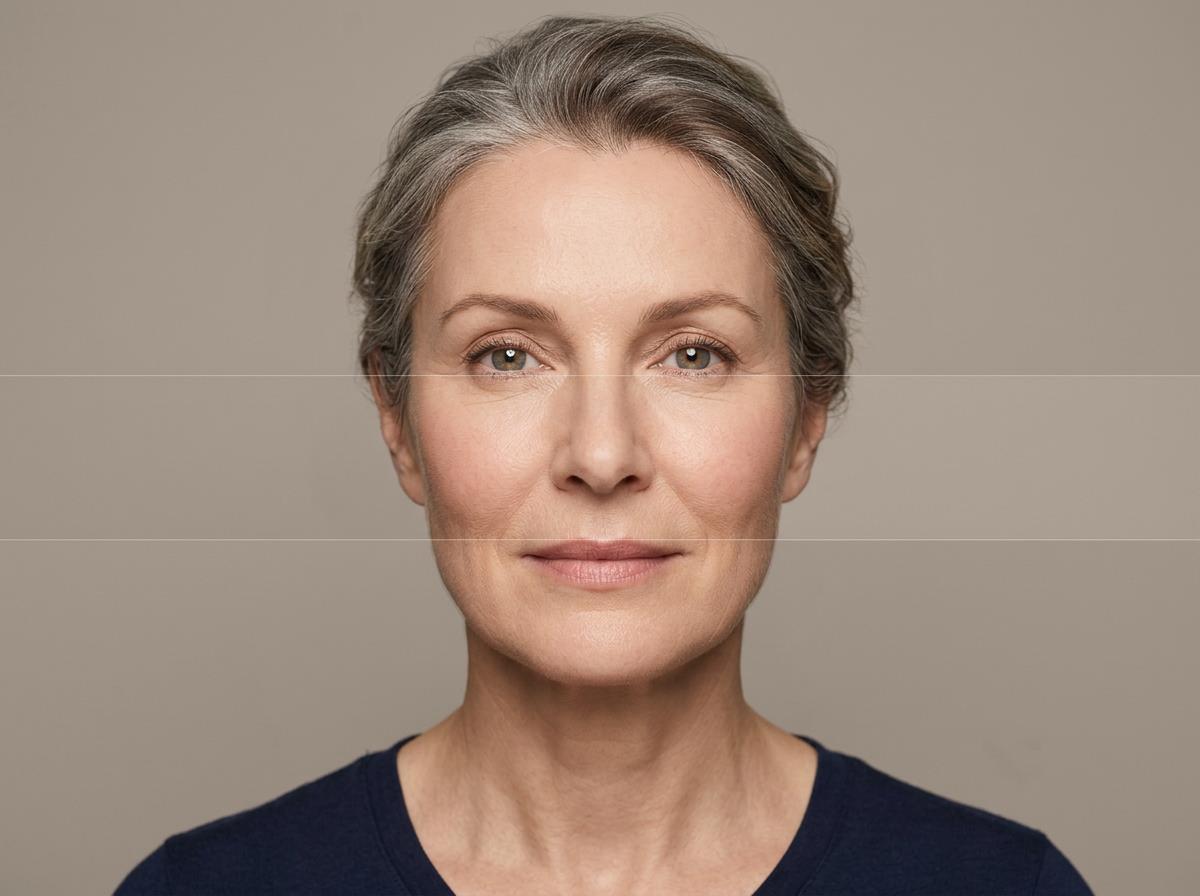
Achieving truly harmonious and natural-looking facial rejuvenation requires more than just addressing isolated concerns; it demands a comprehensive, whole-face aesthetic strategy. This holistic planning approach recognizes that aging is a multi-dimensional process affecting every anatomical layer—from bone and muscle to fat and skin. A successful strategy aims for aesthetic harmony, ensuring that all facial features are balanced and contribute to an overall refreshed appearance, rather than creating an artificial or “operated” look.
This integrated approach often involves combining different advanced cosmetic procedures to address the various signs of aging simultaneously. For instance, while a deep plane facelift can reposition descended tissues, it may not restore lost volume or improve skin texture. Therefore, a multi-layer rejuvenation plan considers structural lifting, volume restoration, and skin surface optimization as interdependent components.
Balancing Structural Lifting, Volumization, and Skin Resurfacing
The synergy between structural lifting, volumization, and skin resurfacing is key to achieving optimal and lasting results in facial rejuvenation.
- Structural Lifting:Procedures like deep plane facelifts and neck lifts provide the foundational correction by repositioning underlying muscles and fat pads, addressing jowling, and defining the jawline and neck. This creates a more youthful contour and provides a “lift” that non-surgical methods cannot replicate.
- Volumization:As we age, facial fat naturally diminishes, leading to hollows and a gaunt appearance. Nano fat transfer and micrografting are advanced techniques that use a patient’s own purified fat cells to restore lost volume. Nano fat, in particular, is rich in regenerative factors, offering not only volume restoration but also significant improvements in skin quality, texture, and tone. It’s often preferred for delicate areas like the under-eyes and around the mouth where synthetic fillers might look unnatural. This autologous fat acts as a natural filler, integrating seamlessly with existing tissues and providing long-term benefits.
- Skin Resurfacing:The outermost layer of the skin often shows signs of aging such as fine lines, wrinkles, sun damage, and uneven pigmentation. CO2 laser resurfacing is a powerful tool for addressing these concerns. By removing damaged outer layers of skin and stimulating new collagen production, it significantly improves skin texture, reduces wrinkles, and enhances overall skin radiance. When combined with structural lifting and volumization, skin resurfacing completes the rejuvenation, ensuring that the skin’s surface matches the newly restored underlying structure.
This balanced approach ensures that the entire face is treated cohesively, leading to a natural, refreshed, and youthful appearance that is both structurally sound and aesthetically pleasing.
Integrating Advanced Cosmetic Procedures for Periorbital and Midface Aging
The eyes and midface are often the first areas to show signs of aging, and their rejuvenation is critical for a youthful and rested appearance. Integrating advanced cosmetic procedures specifically tailored to these regions can dramatically enhance overall facial harmony.
- Upper Blepharoplasty:This procedure addresses excess skin and fat on the upper eyelids, which can cause a tired or hooded appearance and, in some cases, impair vision. It involves removing a precise amount of skin and sometimes fat to create a more open and youthful eye contour.
- Lower Blepharoplasty:For the lower eyelids, concerns often include under-eye bags, dark circles, and hollows (tear troughs). Advanced techniques in lower blepharoplasty may involve not just removing excess fat but also fat repositioning. Instead of discarding fat, it can be carefully sculpted and moved to fill in the tear troughs, creating a smooth transition from the lower eyelid to the cheek. This approach avoids a hollowed-out look and provides a more natural youthful contour.
- Addressing Malar Descent:The midface, particularly the cheek area (malar region), tends to descend with age, contributing to nasolabial folds and a flattened appearance. While a deep plane facelift can lift the midface, specific techniques like midface lifts or fat grafting can further restore youthful fullness and projection to the cheeks, counteracting malar descent.
- Canthopexy/Canthoplasty:In some cases, particularly during lower blepharoplasty, the outer corner of the eye (lateral canthus) may need support or reshaping. Canthopexy tightens the tendon supporting the outer corner, while canthoplasty reconstructs it, helping to prevent a rounded eye appearance and maintaining a natural almond shape.
By meticulously integrating these procedures, specialists can achieve a comprehensive rejuvenation of the periorbital and midface areas, restoring a bright, alert, and youthful contour that complements the rest of the face.
Clinical Safety, Recovery Protocols, and Risk Management
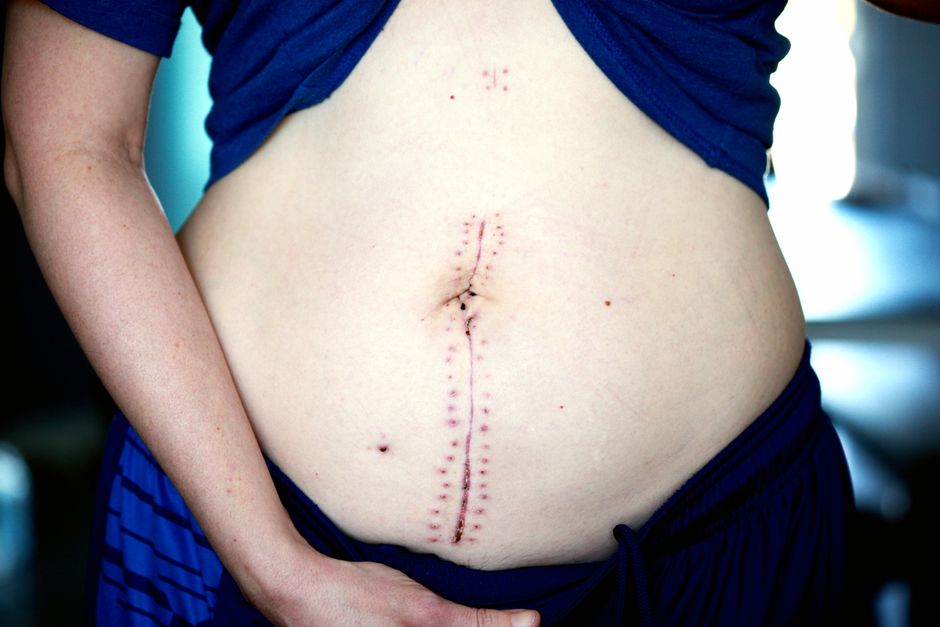
Ensuring clinical safety, establishing clear recovery protocols, and implementing robust risk management strategies are paramount in advanced cosmetic procedures. While these procedures offer significant aesthetic benefits, they are still medical interventions that carry inherent risks. A highly skilled surgeon and a dedicated medical team prioritize patient safety through meticulous pre-operative planning, sterile surgical environments, and comprehensive post-operative care instructions. Effective risk mitigation involves careful patient selection, thorough medical history review, and an open discussion about potential complications. Patient compliance with pre- and post-operative instructions is also critical for minimizing risks and optimizing healing.
Post-Operative Timelines and Healing Milestones
Understanding the typical post-operative timelines and healing milestones is essential for patients undergoing advanced cosmetic procedures. Recovery varies depending on the procedure’s invasiveness and individual healing capabilities, but general expectations can be outlined:
- Immediate Post-Op (Days 1-7):This phase is characterized by swelling, bruising, and some discomfort. Pain medication is usually prescribed. Incision care, such as keeping the area clean and applying ointments, is crucial. For procedures like facelifts, drains may be in place for a day or two. Patients are advised to rest, keep their head elevated, and avoid strenuous activities.
- Early Recovery (Weeks 1-3):Significant bruising typically subsides, and much of the initial swelling resolves. Patients can often return to light social activities or work, though some residual swelling and tightness may persist. Lymphatic drainage massages may be recommended to help reduce swelling.
- Mid-Recovery (Weeks 3-6):Most visible swelling should have diminished, and the incisions will start to fade. Strenuous exercise can often be gradually resumed. The skin may still feel numb or tight in certain areas.
- Long-Term Healing (Months 3-12+):This period focuses on scar maturation. Scars will continue to soften and fade, eventually becoming barely perceptible. Residual swelling can take several months to fully resolve, especially after extensive procedures. The final results of the procedure become increasingly apparent as tissues settle and heal completely.
Throughout these phases, regular follow-up appointments with the surgeon are vital to monitor progress and address any concerns.
Reversal Protocols and Managing Aesthetic Complications
Despite the best surgical practices, complications can occasionally arise in aesthetic procedures. A crucial aspect of patient safety and satisfaction is the availability of robust reversal protocols and effective complication management strategies.
For instance, with dermal fillers, particularly those made of hyaluronic acid, complications like overfilling, filler migration, or the Tyndall effect (a bluish discoloration when filler is placed too superficially) can occur. The enzyme hyaluronidase is a game-changer in this regard, as it can completely dissolve hyaluronic acid fillers. This allows for the correction of misplaced or unwanted filler, even long-standing issues, as seen in cases where patients experienced chronic disfigurement from tear trough filler for two years before achieving full recovery through targeted enzyme reversal.
Other potential complications and their management include:
- Granulomas:Rare inflammatory reactions to fillers, which may require steroid injections or surgical removal.
- Scar Management:Techniques like silicone sheeting, steroid injections, or laser treatments can improve the appearance of hypertrophic or keloid scars.
- Hematoma:A collection of blood under the skin, which may require drainage. Prevention through meticulous surgical technique and post-operative care is key.
- Infection:Managed with antibiotics.
- Revision Surgery:In some cases, if initial results are not satisfactory or complications persist, revision surgery may be necessary to achieve the desired outcome. This is particularly relevant in complex cases like revision septorhinoplasty, where structural integrity and breathing function need to be restored after previous surgery.
A skilled and experienced surgeon will not only strive for excellent outcomes but also be proficient in identifying and managing potential complications, ensuring patient safety and peace of mind.
Patient Guidance: Selecting Qualified Specialists and Evaluating Outcomes
Choosing the right specialist is arguably the most critical decision in your aesthetic journey. The expertise and philosophy of your surgeon will profoundly influence your results and overall experience. Patients should approach this selection process with diligence, evaluating not only the surgeon’s credentials but also their approach to patient care and their aesthetic vision. This includes a thorough practice evaluation and understanding the nuances of ethical marketing in the field.
Board Certification, Specialization, and Surgical Experience
When selecting a facial plastic surgeon, several key indicators point to a highly qualified and competent professional:
- Board Certification:Look for surgeons who are double board-certified, particularly in specialties like Facial Plastic and Reconstructive Surgery and Otolaryngology-Head and Neck Surgery. This signifies rigorous training and expertise specifically focused on the intricate anatomy of the face and neck. Board certification ensures that the surgeon has met the highest standards of education, examination, and ethical practice.
- Fellowship Training:A fellowship in facial plastic surgery demonstrates advanced, specialized training beyond residency, focusing exclusively on facial aesthetics and reconstruction.
- Anatomical Focus:Specialists who focus exclusively on the face and neck often possess a deeper understanding of facial anatomy and a more refined surgical skill set for delicate facial procedures. This specialization can lead to more predictable and natural-looking results.
- Surgical Volume:A surgeon’s experience, measured by the number of procedures performed, contributes to their proficiency. For example, a surgeon with over 15 years of specialized surgical experience in face and neck procedures demonstrates a substantial track record.
- Recognitions and Honors:Accolades like the “Castle Connolly Top Doctor” status, awarded to approximately the top 7% of physicians nationwide through a peer-review evaluation process, can serve as an external validation of a surgeon’s standing among their peers. High patient travel rates, such as nearly half of a surgeon’s patients traveling from outside California or internationally, also indicate a strong reputation and unique expertise.
These factors collectively assure patients that they are entrusting their care to a highly skilled, experienced, and recognized expert in the field.
Analyzing Before-and-After Portfolios and Testimonials
Evaluating a surgeon’s before-and-after portfolio and patient testimonials is an essential step in assessing their aesthetic style and the quality of their work. However, it’s important to approach this critically:
- Standardized Lighting and Unedited Photography:Look for consistency. Professional, unedited photos taken under standardized lighting conditions (same angle, same background, consistent lighting) provide the most accurate representation of results. Be wary of photos that appear heavily filtered, taken in different lighting, or that only show one angle.
- Dynamic Expression:Natural-looking results mean the face moves harmoniously. A good portfolio will include photos showing patients with various expressions (smiling, resting) to demonstrate that the surgery has not created an unnatural or “frozen” look.
- Long-Term Follow-up:Seek out portfolios that include long-term follow-up photos (e.g., 1, 2, or even 5 years post-op). This demonstrates the longevity and stability of the surgeon’s results.
- Patient Testimonials:Read testimonials for insights into the patient experience, the surgeon’s bedside manner, and the support staff. Look for consistent themes of satisfaction, natural results, and positive recovery experiences. While testimonials are valuable, remember they represent individual experiences.
- Identity Preservation:A key indicator of a skilled surgeon is their ability to enhance youthfulness while preserving the patient’s unique identity, avoiding a generic or “overdone” appearance. The goal should be to look like a refreshed version of oneself, not an entirely different person.
By carefully scrutinizing these elements, prospective patients can gain a realistic understanding of a surgeon’s capabilities and determine if their aesthetic vision aligns with their own.
Frequently Asked Questions About Advanced Aesthetic Rejuvenation
Patients often have many questions when considering advanced aesthetic rejuvenation, particularly regarding candidacy, procedure longevity, and safety profiles. Here, we address some common inquiries.
What advanced procedures can be performed safely under local anesthesia?
Many advanced cosmetic procedures can be performed safely and effectively under local anesthesia, often with oral sedation for enhanced comfort. This approach minimizes the risks associated with general anesthesia and typically allows for a quicker recovery. Procedures commonly performed under local anesthesia include:
- Upper Blepharoplasty:To remove excess skin and fat from the upper eyelids.
- Mini Facelift/Conservative Neck Lift:These procedures address mild to moderate jowling and neck laxity by tightening superficial tissues.
- Submental Liposuction:To remove localized fat under the chin and define the jawline.
- Buccal Fat Pad Removal:To sculpt the cheeks and create a more defined facial contour.
- Nano Fat Grafting/Transfer:For volumization, skin rejuvenation, and filling delicate areas like the tear troughs.
- Tumescent Anesthesia:This technique, involving the injection of a dilute anesthetic solution, is frequently used for liposuction and other body contouring procedures, providing extensive numbing and minimizing bleeding.
The suitability for local anesthesia depends on the extent of the procedure and individual patient factors, which will be thoroughly assessed during consultation.
How do deep plane facelifts differ from traditional lifting techniques?
Deep plane facelifts represent a significant evolution from traditional lifting techniques, offering more natural, durable, and comprehensive results. The key differences lie in the anatomical layers addressed and the vector of lift:
- SMAS Repositioning:Traditional facelifts often involve separating the skin from the underlying SMAS layer and then tightening the skin and/or superficially tightening the SMAS. In contrast, a deep plane facelift lifts the SMAS layer and the attached skin as a single, composite unit.
- Fascial Release and Ligament Release:The deep plane technique involves releasing specific retaining ligaments that tether the SMAS to deeper structures. This allows for true repositioning of the descended facial tissues, rather than just pulling them tight.
- Tension-Free Skin:By lifting the deeper structures, the tension is placed on the SMAS layer, not on the skin. This results in a more natural appearance, prevents a “stretched” or “windblown” look, and minimizes visible scarring.
- Natural Expression:Because the deep plane lift restores tissues to their youthful position without pulling the skin tightly, it preserves natural facial expressions and movement.
- Longevity:Due to the comprehensive repositioning of deeper tissues, deep plane facelifts generally offer longer-lasting results compared to more superficial lifting techniques.
Deep plane facelifts address the underlying causes of facial aging, leading to a more profound and harmonious rejuvenation.
When is nano fat transfer preferred over synthetic dermal fillers?
Nano fat transfer and synthetic dermal fillers both aim to restore volume and improve facial contours, but they differ significantly in their composition, mechanism, and long-term benefits. Nano fat transfer is often preferred over synthetic dermal fillers in several scenarios:
- Autologous Cells:Nano fat uses the patient’s own fat cells, eliminating the risk of allergic reactions or rejection. This makes it a highly biocompatible option.
- Regenerative Factors:Beyond simple volume, nano fat is rich in stem cells and growth factors, providing significant regenerative benefits. It can improve skin quality, texture, elasticity, and even reduce fine lines, offering a dual advantage of volumization and cellular rejuvenation.
- Long-Term Integration:Once transferred, fat cells integrate into the surrounding tissues and establish a new blood supply, providing long-term, often permanent, volume correction. Synthetic fillers, while effective, are eventually absorbed by the body and require repeat treatments.
- Natural Feel and Appearance:Fat has a soft, natural consistency, which can be ideal for areas requiring subtle, widespread volume restoration, such as the cheeks, temples, or hands.
- Delicate Areas:For challenging areas like the tear troughs (under-eyes), nano fat, processed into micro-droplets, can provide a very smooth and natural correction without the risk of the Tyndall effect or lumpiness sometimes associated with synthetic fillers.
While synthetic fillers offer immediate results and are excellent for specific line filling or contouring, nano fat transfer is often chosen for comprehensive, natural, and long-lasting volume restoration with added regenerative benefits.
Conclusion
As we’ve explored, the field of advanced cosmetic procedures in August 2026 offers an impressive array of options for facial rejuvenation. From the intricate structural restoration of deep plane facelifts to the regenerative power of nano fat transfer and the precision of procedures performed under local anesthesia, the possibilities for achieving a refreshed and natural appearance are more sophisticated than ever.
The key to successful aesthetic outcomes lies in a personalized treatment approach—one that considers the unique aging process of each individual, addresses all anatomical layers, and prioritizes aesthetic harmony. By balancing structural lifting, volumization, and skin resurfacing, we can achieve balanced and lasting results that honor individual identity.
Making informed decisions about advanced cosmetic procedures requires thorough research and, most importantly, an informed consultation with a highly qualified, board-certified specialist. By understanding the nuances of different techniques, their benefits, limitations, and recovery expectations, patients can embark on their aesthetic journey with confidence, knowing they are pursuing the most appropriate path to natural-looking rejuvenation.