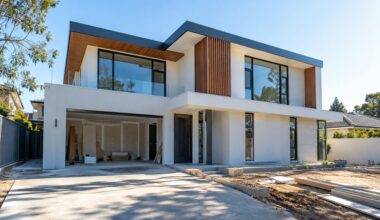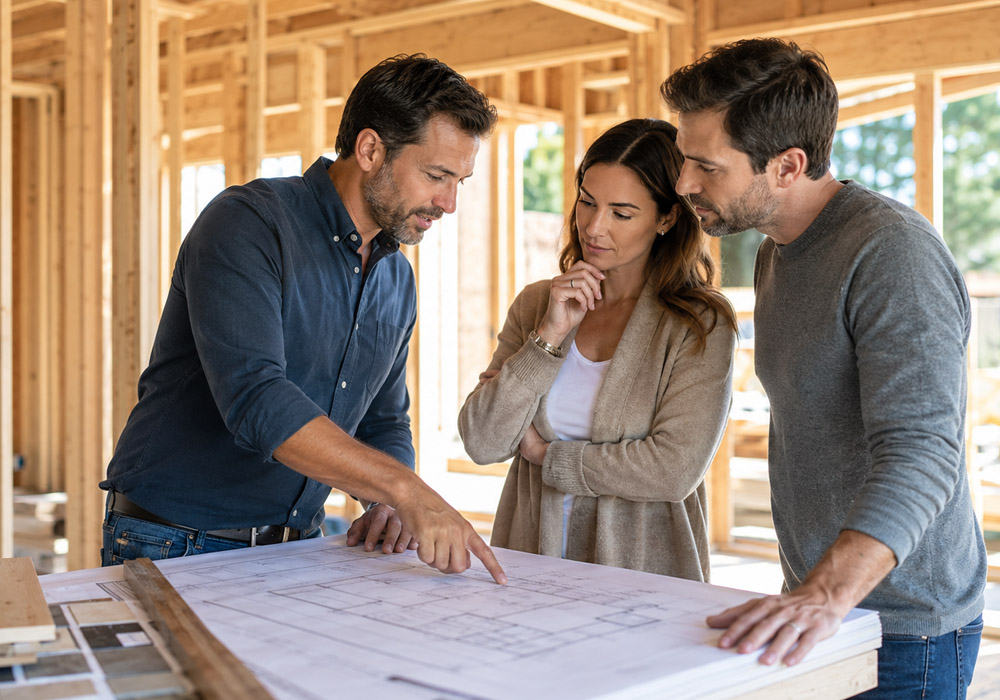
Choosing the right home builder determines material quality and your home’s long-term durability. Whether you’re building from the ground up or remodeling an existing structure, it’s key to choose a contractor who provides the scope of services you need. Here are some tips for choosing the right home builder for your dream project:
Utilize Local Knowledge
A home builder should know local permitting processes and soil conditions, and they might also be familiar with drainage patterns and environmental regulations. These often vary by area due to weather patterns and local ecology. A property’s variables directly affect how a home should be designed and built.
Wooded lots, open farmland, bluff properties, and waterfront settings each come with different site requirements. Builders provide direct experience with local permitting bodies and neighborhood-specific challenges. This depth of regional knowledge helps homeowners avoid surprises before construction begins.
When interviewing builders, ask about their experience with your property type and location. A builder who has completed similar projects in your area can speak in detail about what those projects required. This helps you prepare for potential complications or adjust design plans as needed. Experienced builders also provide a more detailed project timeline, and fewer site conditions to assess can make scheduling more predictable.
Understand the Scope of Services
Remodeling, additions, and specialized construction each require different skill sets; the right builder for one type of project may not be the right builder for another. Whole-home remodels present challenges that new construction doesn’t, such as older homes revealing hidden structural conditions once walls are opened. Builders manage everything from kitchen and bathroom renovations to structural improvements and historic home restorations. They approach each project by evaluating the existing structure before finalizing plans.
Waterfront construction adds another layer of complexity, as shoreline properties often require coordination with multiple agencies. It also involves specialized foundation design and drainage planning for soil conditions unique to coastal lots; materials must also withstand sustained moisture and salt-air exposure. A builder without direct waterfront experience is not equipped to manage those requirements competently. Look for a track record that matches your specific project type.
Review Communication Structures
How a builder communicates affects planning and the final walkthrough. Larger firms often assign project managers who rotate between sites, which can create accountability gaps. Smaller, family-owned operations typically offer more direct access to the decision-makers on your project. Some construction companies operate as a two-generation family team, so clients interact directly with the builders responsible for their home. This structure reduces miscommunication because fewer people sit between the homeowner and the people doing the work. Before signing any contract, ask how the builder handles change orders, scheduling updates, and unexpected findings during construction.
Know What Happens Before Construction
Some construction companies build a constructability review into every project before finalization. This means:
- Evaluating whether the design is buildable on your specific site
- Identifying material choices that fit both the budget and the environment
- Setting timeline expectations that account for weather and site access
Permitting alone can add lead time depending on the property type. Waterfront lots require coordination with shoreline management regulations, while bluff properties need drainage and foundation assessments before finalizing a design. Skipping or rushing that review to get to construction faster can push a project past schedule. A builder who plans around that distinction from the start avoids disruptions that an underprepared contractor discovers mid-project.
Choose a Home Builder
The right builder has the local knowledge to navigate your site and a track record that holds up to direct verification. They help you build a custom home, complete a major remodel, or construct on a waterfront property with its own regulatory and engineering requirements. Contact a home building company to get started on your project today.